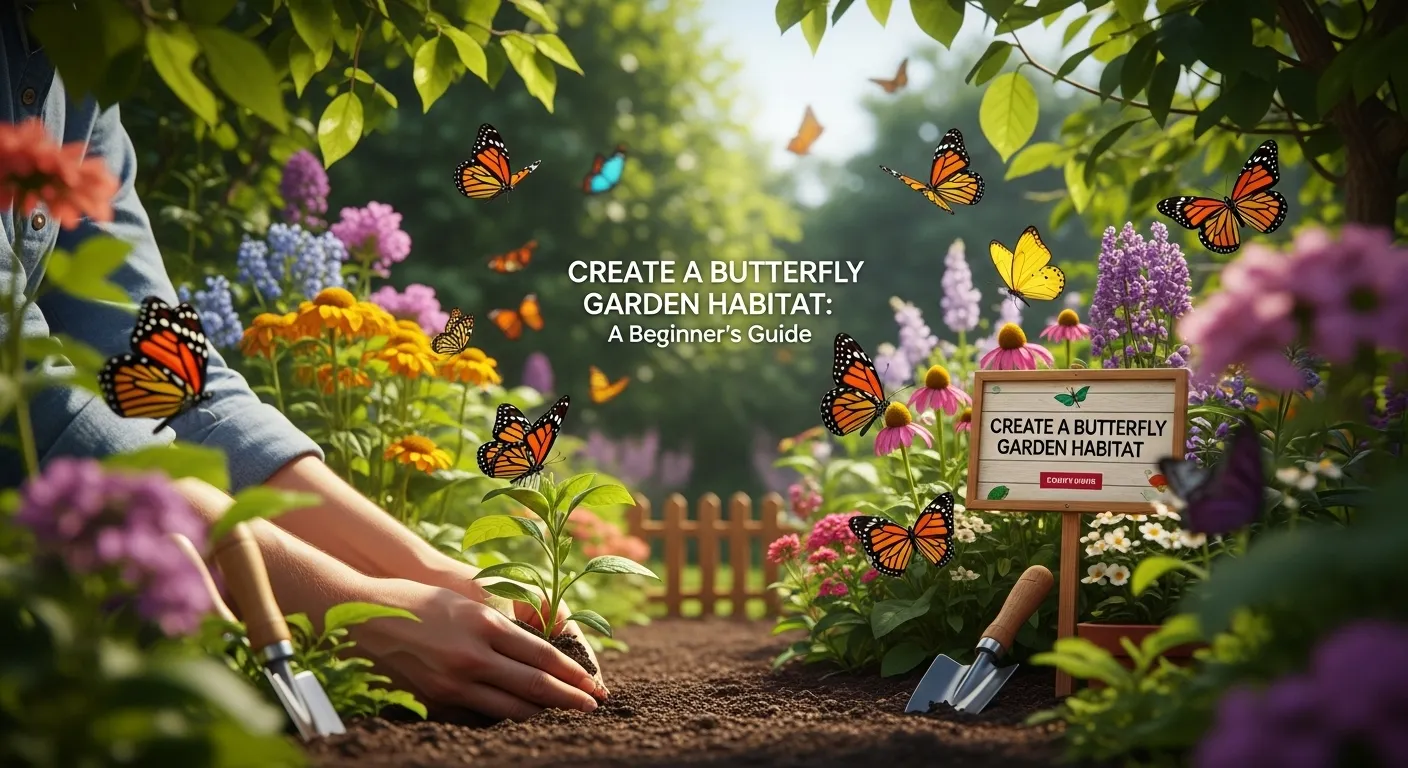
Watching a butterfly gracefully flutter from flower to flower is a magical experience. These delicate insects are not only beautiful but are also vital pollinators for our ecosystem. Creating a space that welcomes them is a rewarding project that combines gardening, conservation, and nature observation right in your own backyard. Many aspiring gardeners wonder how to create a butterfly garden habitat that truly thrives. It's about more than just planting pretty flowers; it's about building a complete, self-sustaining ecosystem that supports butterflies through every stage of their fascinating life cycle. This comprehensive guide will walk you through every step, transforming your yard, patio, or balcony into a vibrant sanctuary for these winged jewels. Create a Butterfly Garden Habitat: A Beginner's Guide Transforming a patch of your yard into a bustling butterfly sanctuary is an incredibly fulfilling endeavor. Beyond the visual delight of seeing colorful wings dance among your plants, you are actively participating in conservation. Butterfly populations face numerous threats, from habitat loss to pesticide use, and every dedicated garden, no matter the size, provides a crucial lifeline. This guide will demystify the process, breaking it down into manageable steps that ensure your garden becomes a preferred destination for local butterfly species. We will cover everything from the foundational understanding of a butterfly's needs to the specific plants you should choose and the long-term maintenance required to keep your habitat healthy and active. You'll learn that a true butterfly habitat caters to the entire life cycle—from the tiny egg to the munching caterpillar, the mysterious chrysalis, and finally, the nectar-sipping adult. By providing food, water, shelter, and a safe place to reproduce, you create a holistic environment where butterflies can flourish for generations. Whether you have a sprawling lawn or a small urban balcony, the principles remain the same. The key is to think like a butterfly. Where do they feel safe from predators? What do they need to fuel their flight? Where can they lay their eggs to ensure the survival of their offspring? Answering these questions is the first step on the journey. This guide is designed for beginners, but even seasoned gardeners will find valuable tips to enhance their existing pollinator gardens. Let's dig in and build a haven for butterflies together. Understanding the Butterfly Life Cycle: The "Why" Behind Your Garden Before you buy a single plant, it's essential to understand the "why" behind your choices. A successful butterfly garden is not just a collection of flowers; it's a carefully planned habitat designed to support the four distinct stages of a butterfly's life. By catering to each phase, you transition from simply attracting passing butterflies to actively helping them reproduce and build a local population. This foundational knowledge is what separates a pretty flower patch from a true, functioning butterfly habitat. The first stage is the egg. Female butterflies are incredibly selective about where they lay their eggs. They don't just drop them on any leaf; they seek out specific plants known as host plants. These are the only plants their future offspring will be able to eat. The second stage is the larva, more commonly known as the caterpillar. Once it hatches, its sole job is to eat and grow, molting its skin several times as it gets bigger. This is why host plants are non-negotiable for a true habitat—no host plants mean no caterpillars, and therefore, no new butterflies. After gorging itself, the caterpillar enters the third stage: the pupa. It finds a safe, hidden spot and transforms into a chrysalis (or a cocoon for moths). This is a period of incredible metamorphosis where the caterpillar's body is completely rearranged into the form of an adult butterfly. This stage can last for a couple of weeks or even overwinter, depending on the species and climate. Finally, the fourth stage is the imago, or the adult butterfly. It emerges from the chrysalis, pumps fluid into its wings, and after they dry, takes its first flight. The adult's primary goals are to feed on nectar and to reproduce, starting the entire cycle over again. Your garden's role is to provide the resources for every single one of these steps. Location and Preparation: Setting the Stage for Success The placement and preparation of your garden are just as critical as the plants you choose. Butterflies have specific environmental needs, and meeting them will dramatically increase your chances of success. The most important factor is sunlight. Butterflies are cold-blooded creatures and rely on the sun's warmth to power their flight muscles. A garden that receives at least six to eight hours of direct sunlight per day is ideal. Observe your yard throughout the day to identify the sunniest spots. An east- or south-facing location is often a perfect choice. Once you've selected a sunny spot, consider providing shelter from strong winds. Butterflies are fragile, and battling constant gusts of wind expends precious energy. You can create a natural windbreak by planting your butterfly garden near a fence, a wall of your house, or a line of shrubs or small trees. If you're starting from scratch in an open area, consider planting taller, sturdier plants on the windy side of the garden to protect the more delicate flowers and the butterflies themselves. This creates a calm, warm microclimate that they will find irresistible. Finally, prepare the soil. While many native plants are adaptable, most will thrive in well-draining soil. If you have heavy clay soil, amend it with compost or other organic matter to improve its structure and drainage. Conversely, if your soil is very sandy, adding compost will help it retain moisture and nutrients. A simple soil test can tell you about its pH and nutrient content, but for most butterfly plants, simply ensuring good drainage and enriching the soil with a few inches of compost is sufficient. This initial preparation creates a healthy foundation for your plants, allowing them to grow strong and produce the abundant blooms butterflies love. The Heart of the Habitat: Choosing the