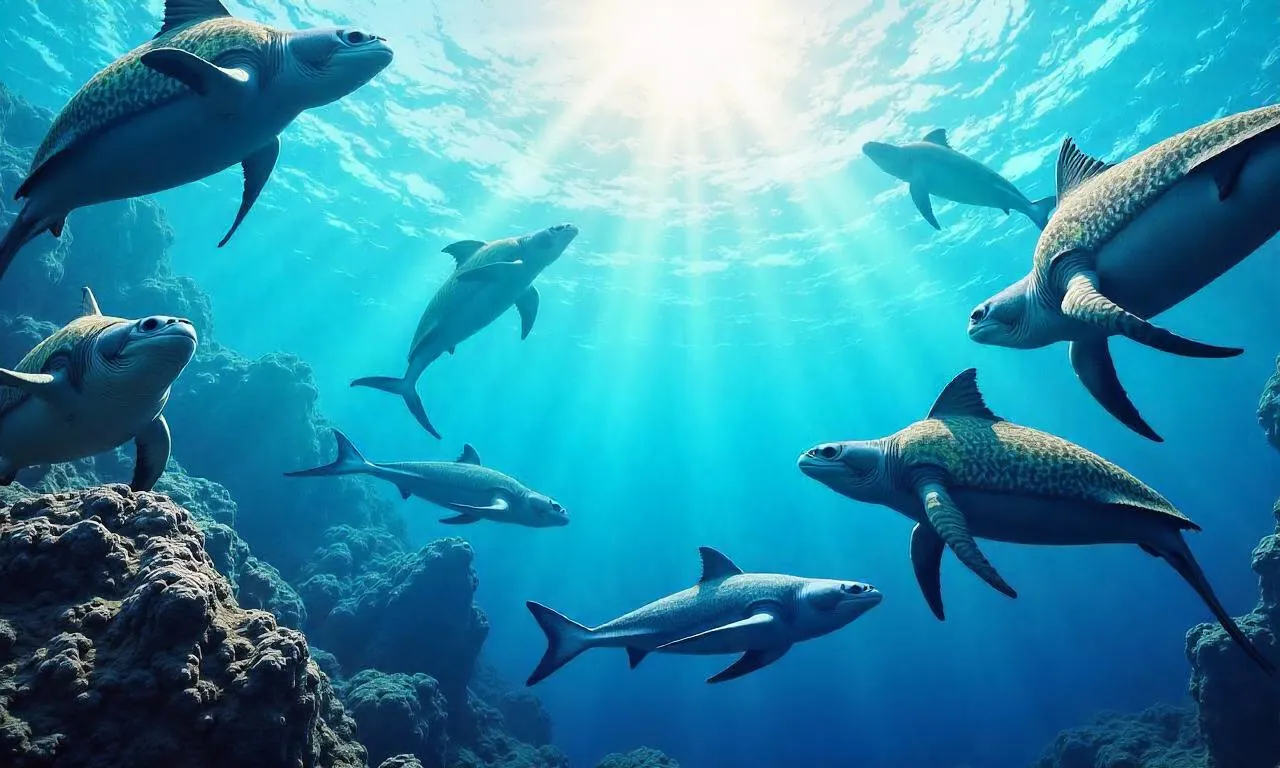
The Importance of Protecting Marine Habitats: A Vital Shield for Earth's Future The importance of protecting marine habitats cannot be overstated as they serve as the backbone of Earth's ecological systems. These habitats, ranging from coral reefs to deep-sea trenches, are vital for maintaining biodiversity, regulating the climate, and supporting the livelihoods of millions of people. As human activities continue to degrade these environments, the urgency to implement effective conservation strategies has never been greater. This article explores the critical reasons why protecting marine habitats is essential, the challenges they face, and the solutions that can ensure their survival for future generations. — Why Protecting Marine Habitats Is Crucial for Our Planet Marine habitats are not just vast underwater landscapes; they are dynamic ecosystems that underpin the health of our planet. From the sunlit surface waters of coral reefs to the abyssal depths of the ocean floor, these environments support a staggering array of life forms. The importance of protecting marine habitats lies in their role as biodiversity hotspots, carbon sinks, and climate regulators. When we neglect these ecosystems, we risk triggering a chain reaction that threatens both marine and terrestrial life. One of the most compelling reasons to prioritize marine conservation is its direct impact on global biodiversity. Marine ecosystems are home to over 250,000 known species, many of which are yet to be discovered. These habitats provide shelter, food, and breeding grounds for organisms that form the foundation of the food web. For example, coral reefs, though covering just 0.1% of the ocean floor, are estimated to support 25% of all marine species. Their destruction would lead to a collapse of entire ecosystems, affecting species from tiny plankton to massive whales. Moreover, marine habitats play a critical role in regulating the Earth’s climate. Oceans absorb about 90% of the heat trapped by greenhouse gases, acting as natural buffers against global warming. They also sequester vast amounts of carbon dioxide, with seagrass meadows and mangroves capturing up to 10 times more carbon per unit area than tropical forests. By preserving these habitats, we not only safeguard marine life but also enhance the planet’s ability to combat climate change. — The Ecological Role of Marine Habitats Marine habitats are the lifeblood of the planet’s ecological balance, offering services that sustain both oceanic and terrestrial ecosystems. Their importance is underscored by their role in maintaining biodiversity, which is essential for the resilience of the biosphere. Biodiversity Hotspots Marine habitats are among the most biodiverse regions on Earth, with ecosystems like coral reefs, kelp forests, and seagrass meadows hosting an extraordinary variety of species. These areas are not just repositories of life; they are critical for the survival of countless organisms that depend on them for food, shelter, and reproduction. For instance, mangrove forests act as nurseries for fish and crustaceans, ensuring the continuity of marine food chains. Their loss would have cascading effects on fisheries, which millions of people rely on for sustenance. The biodiversity found in marine environments is also a testament to the adaptability of life. Coral reefs, for example, have evolved complex symbiotic relationships, such as those between corals and zooxanthellae algae, which provide them with energy through photosynthesis. This intricate balance is fragile and easily disrupted by human activities. Coral reefs are declining at an alarming rate, with over 50% of the world’s reefs already damaged or destroyed. Protecting these habitats is key to preserving the genetic diversity that underpins the planet’s ecological stability. Carbon Sequestration Another vital function of marine habitats is their ability to act as carbon sinks, absorbing and storing significant amounts of carbon dioxide from the atmosphere. Seagrass meadows and mangroves are particularly effective, with seagrass alone estimated to capture 10 times more carbon per hectare than tropical rainforests. This natural process helps mitigate the effects of climate change by reducing ocean acidification and slowing global warming. However, when these habitats are destroyed, the stored carbon is released back into the atmosphere, exacerbating environmental challenges. Climate Regulation Beyond carbon sequestration, marine habitats play a crucial role in regulating the Earth’s climate. The ocean absorbs 90% of the heat generated by human activities, helping to stabilize global temperatures. Additionally, marine ecosystems like kelp forests and mangroves contribute to weather patterns by influencing atmospheric moisture and wind currents. For example, mangroves reduce coastal erosion and buffer storm surges, protecting vulnerable communities from the impacts of climate change. Their preservation ensures that these natural systems continue to provide essential climate services. Food Chain Stability Marine habitats also support the global food chain by providing the base for marine life. Phytoplankton, the microscopic organisms that form the foundation of aquatic food webs, are primarily found in nutrient-rich areas like coastal zones and upwelling regions. These areas are often overfished or polluted, threatening the availability of seafood and the livelihoods of coastal communities. Protecting these habitats ensures a steady supply of food and resources, supporting both marine and human populations. — The Impact of Human Activities on Marine Habitats Human activities have significantly altered marine habitats, often with irreversible consequences. The primary drivers of this degradation include pollution, overfishing, and habitat destruction. These factors not only threaten marine life but also disrupt the delicate balance of oceanic ecosystems. Pollution: A Silent Killer Pollution is one of the most pressing threats to marine habitats. Plastic waste, which now outweighs all marine life in the open ocean, has infiltrated every level of the food chain. Microplastics are ingested by plankton, fish, and even whales, leading to health issues, reproductive problems, and population declines. In addition, chemical pollutants from industrial runoff and agricultural pesticides contaminate seawater, affecting water quality and harming marine species. Oil spills, such as the Deepwater Horizon disaster in 2010, have devastated entire ecosystems, killing thousands of marine organisms and destroying coastal habitats. Overfishing: Depleting Resources Overfishing has led to the decline of fish populations and disrupted marine food webs. Industrial fishing methods, such as trawling and longline fishing, often result in bycatch, where non-target species like