Threats to Freshwater Habitats: Key Environmental Challenges Freshwater habitats, such as rivers, lakes, and wetlands, are vital ecosystems that support a wide range of biodiversity and provide essential resources for human populations. However, these ecosystems are under constant pressure from various threats to freshwater habitats. From pollution and over-extraction of water to climate change and invasive species, the challenges facing freshwater environments are both complex and multifaceted. As global demand for water continues to rise, it is crucial to understand the root causes of these threats and their long-term implications for ecological balance and human well-being. This article explores the key environmental challenges impacting freshwater habitats, highlights their consequences, and discusses potential solutions to mitigate these issues. Pollution and Contamination Pollution is one of the most pervasive threats to freshwater habitats, threatening the health of both aquatic life and human communities that depend on these resources. The sources of pollution are varied, ranging from industrial discharges to agricultural runoff, and each contributes to the degradation of water quality in unique ways. Industrial activities, such as manufacturing and mining, release toxic chemicals into waterways, often through untreated wastewater. These pollutants, including heavy metals and synthetic compounds, can accumulate in the sediment and water, leading to long-term damage. For instance, heavy metal contamination from factories has been linked to the decline of fish populations in rivers near industrial zones. The contaminants such as lead and mercury not only harm aquatic organisms but also pose risks to human health through the consumption of contaminated fish. Agricultural runoff is another major contributor to water pollution. The use of fertilizers, pesticides, and herbicides in farming leads to nutrient overload in freshwater systems. This phenomenon, known as eutrophication, causes algal blooms that deplete oxygen levels in the water, leading to the death of fish and other aquatic species. The excess nutrients from fertilizers can also create dead zones in lakes and rivers, where life is nearly impossible. In addition to point-source pollution, non-point-source contamination from everyday activities, such as vehicle emissions and household waste, further compounds the problem. These sources release pollutants like oil, grease, and organic waste into the environment, which can contaminate water supplies and disrupt natural processes. Addressing pollution requires a combination of stricter regulations, better waste management practices, and public awareness campaigns. 1.1. Industrial and Agricultural Runoff Industrial runoff is a significant threat to freshwater habitats, with factories and power plants releasing harmful substances into nearby water bodies. For example, chemical discharges from textile and pharmaceutical industries have been found in rivers in Southeast Asia, affecting local aquatic species. Agricultural runoff, on the other hand, is often exacerbated by intensive farming practices. The excessive use of nitrogen-based fertilizers leads to nutrient loading, which disrupts the natural balance of ecosystems. A study published in Environmental Science & Technology highlights that agricultural activities contribute over 70% of nutrient pollution in U.S. waterways, leading to harmful algal blooms and oxygen depletion. Both types of runoff can be mitigated through best management practices, such as installing filtration systems in industrial facilities and adopting sustainable farming techniques. These measures help reduce the flow of pollutants into freshwater habitats, preserving their ecological integrity. 1.2. Plastic Waste and Microplastics Plastic waste has become an invisible threat to freshwater ecosystems, with microplastics now found in the smallest organisms to the largest fish. Plastic pollution enters waterways through improper disposal, stormwater runoff, and industrial processes, accumulating over time and causing long-term damage. Microplastics, tiny fragments of plastic less than 5 millimeters in size, are particularly concerning. These particles are ingested by aquatic organisms, leading to physiological harm and potential bioaccumulation in the food chain. For example, zooplankton in freshwater lakes have been found to absorb microplastics, which can then be passed on to larger fish and even humans through consumption. The long-term impact of plastic waste on freshwater habitats includes the disruption of natural habitats and the entanglement of aquatic life. Solutions involve improving waste management systems, promoting biodegradable materials, and implementing policies to reduce single-use plastics. 1.3. Chemical Contaminants and Pesticides Chemical contaminants, including pesticides and herbicides, pose a direct threat to freshwater habitats by poisoning aquatic organisms and altering water chemistry. Pesticides, such as glyphosate and atrazine, are commonly used in agriculture and can seep into groundwater and surface water, affecting both plant and animal life. The toxic effects of these chemicals are not limited to immediate harm. Prolonged exposure can lead to long-term ecological imbalances, such as the decline of native species and the proliferation of invasive ones. A report by the United Nations Environment Programme notes that pesticide runoff is a primary cause of water quality degradation in freshwater systems worldwide. Mitigating chemical contamination requires regulatory frameworks and public education. For instance, integrated pest management practices and buffer zones around water bodies can significantly reduce the flow of harmful chemicals into ecosystems. Habitat Destruction and Alteration The physical alteration of natural landscapes is another critical threat to freshwater habitats, often driven by human expansion and land use changes. Wetlands, rivers, and lakes are being converted into agricultural fields, urban areas, and industrial sites, leading to the loss of biodiversity and disruption of ecological processes. Urbanization is a major driver of habitat destruction. As cities expand, natural waterways are channelized, and wetlands are drained to make space for buildings and infrastructure. This alteration of water flow can lead to the loss of critical habitats for fish, amphibians, and invertebrates. For example, the conversion of wetlands into residential areas in the United States has reduced the availability of breeding grounds for migratory birds and other wildlife. Deforestation also plays a role in degrading freshwater habitats. When forests are cleared, the loss of vegetation increases soil erosion, leading to sedimentation in rivers and lakes. This sediment buildup can smother aquatic life and reduce water clarity, affecting photosynthesis and the growth of aquatic plants. Additionally, deforestation disrupts hydrological cycles, altering the natural flow of water and reducing the availability of clean water for both humans and wildlife. The long-term consequences
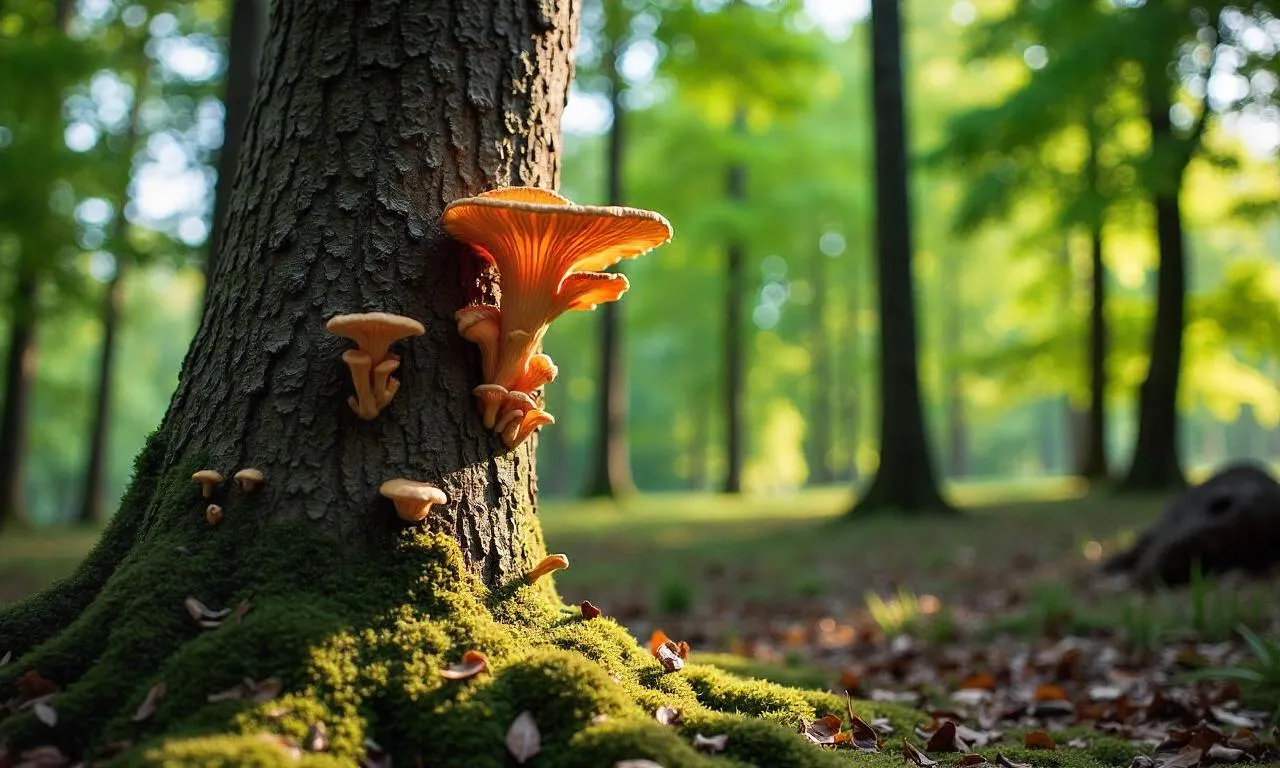
Why Mycorrhizal Fungi Are Essential for Tree Health
# Why Mycorrhizal Fungi Are Essential for Tree Health The importance of mycorrhizal fungi for trees cannot be overstated. These microscopic organisms form a critical symbiotic relationship with the roots of most tree species, enhancing their ability to absorb nutrients, retain water, and resist diseases. In fact, over 90% of plant species rely on mycorrhizal associations for survival, making them an invisible yet vital component of forest ecosystems. From improving soil structure to facilitating communication between trees, mycorrhizal fungi play a multifaceted role in maintaining tree vitality. Understanding their function is essential for anyone interested in sustainable forestry, agriculture, or environmental science. This article explores how these fungi support tree health, their diverse benefits, and why their preservation is crucial for the planet’s future. ## The Symbiotic Relationship Between Trees and Mycorrhizal Fungi ### 1. How the Symbiosis Works Mycorrhizal fungi form a mutualistic partnership with tree roots, creating a network that extends the plant’s root system. This network, often referred to as the "wood-wide web," enables trees to access nutrients and water more efficiently. The fungi, in turn, receive carbohydrates from the tree through photosynthesis. This exchange is not just a simple transaction but a dynamic interaction that can span decades. Studies have shown that trees can communicate through fungal networks, sharing resources and warning neighboring plants of threats like drought or insect infestations. The process begins when fungal spores germinate near tree roots. The hyphae (thread-like structures) of the fungi then penetrate the root cells, forming specialized structures called arbuscules that facilitate nutrient transfer. This symbiosis is especially crucial in nutrient-poor soils, where mycorrhizal fungi act as a natural extension of the tree’s root system, increasing its surface area exponentially. Without this partnership, many trees would struggle to survive in their natural habitats. ### 2. Nutrient Exchange and Root Development One of the most significant benefits of mycorrhizal fungi is their role in nutrient exchange. Trees depend on fungi to absorb essential nutrients such as phosphorus, nitrogen, and potassium from the soil. These nutrients are often locked in mineral forms that trees cannot directly access, but the fungi break them down into usable compounds. In return, the tree supplies the fungi with sugars produced through photosynthesis. This exchange also promotes root development. The presence of mycorrhizal fungi stimulates the growth of root hairs and increases root surface area, which improves the tree’s ability to anchor itself in the soil. Additionally, the fungi help the tree tolerate toxic substances like aluminum and heavy metals, which can damage root cells. This protective role is particularly important in acidic soils, where trees might otherwise suffer from nutrient deficiencies. ### 3. Environmental Adaptability and Survival Mycorrhizal fungi are essential for trees to adapt to changing environmental conditions. In areas with extreme climates, such as arid regions or cold forests, these fungi help trees survive by enhancing their resilience. For example, in drought-prone environments, the fungi increase water retention in the soil, reducing the risk of dehydration. In nutrient-deficient soils, they compensate for the lack of minerals by mobilizing them from the soil. This adaptability is further supported by the fungi’s ability to form long-lasting relationships with trees. Unlike some transient soil organisms, mycorrhizal fungi can persist in the soil for years, continuously supporting the tree’s health. This symbiosis is especially beneficial for young saplings, which rely on the fungi to establish strong root systems and thrive in competitive environments. ## The Role of Mycorrhizal Fungi in Nutrient Exchange ### 1. Enhancing Nutrient Uptake Mycorrhizal fungi significantly improve nutrient uptake in trees by extending their root system. This network allows trees to access minerals that would otherwise be out of reach, such as phosphorus and nitrogen. For instance, in forest soils, mycorrhizal fungi can increase phosphorus absorption by up to 70%, according to a 2021 study published in *Frontiers in Ecology and Evolution*. This enhanced uptake is critical for tree growth, especially in areas where soil nutrients are scarce. The fungi also play a role in nitrogen cycling. They convert atmospheric nitrogen into a form that trees can use, thanks to nitrogen-fixing bacteria that live in their hyphal networks. This process, known as biological nitrogen fixation, reduces the need for synthetic fertilizers in agricultural and natural ecosystems. Additionally, mycorrhizal fungi help trees recover from nutrient depletion by recycling organic matter and breaking down complex compounds into simpler forms. ### 2. Facilitating Carbon Sequestration Beyond nutrient exchange, mycorrhizal fungi contribute to carbon sequestration, a key process in mitigating climate change. Trees absorb carbon dioxide through photosynthesis and store it in their biomass. However, mycorrhizal fungi help store additional carbon in the soil by decomposing organic matter and promoting the formation of stable soil carbon pools. This symbiotic relationship also enhances the carbon cycle in forests. Fungal networks transport carbon from tree roots to the soil, where it can remain for centuries. A 2020 report by the Intergovernmental Panel on Climate Change (IPCC) highlighted that mycorrhizal fungi play a critical role in carbon storage, which helps reduce greenhouse gas emissions. By improving soil health and carbon retention, these fungi support both tree health and global environmental stability. ### 3. Supporting Soil Health and Microbial Diversity Mycorrhizal fungi are not just beneficial for individual trees; they also support soil health by fostering microbial diversity. These fungi create a habitat for other beneficial soil organisms, such as bacteria and nematodes, which contribute to nutrient cycling and decomposition. The presence of mycorrhizal fungi improves soil structure by binding soil particles together, reducing erosion and enhancing water retention. Moreover, they play a key role in nutrient cycling within the ecosystem. By breaking down organic matter and releasing nutrients back into the soil, mycorrhizal fungi ensure that the environment remains fertile for future plant growth. This continuous cycle of nutrient exchange is essential for maintaining the productivity of forests and preventing soil degradation. ## Enhancing Water Absorption and Drought Resistance ### 1. Improving Water Retention in Soil One of the most remarkable benefits of mycorrhizal fungi is their ability