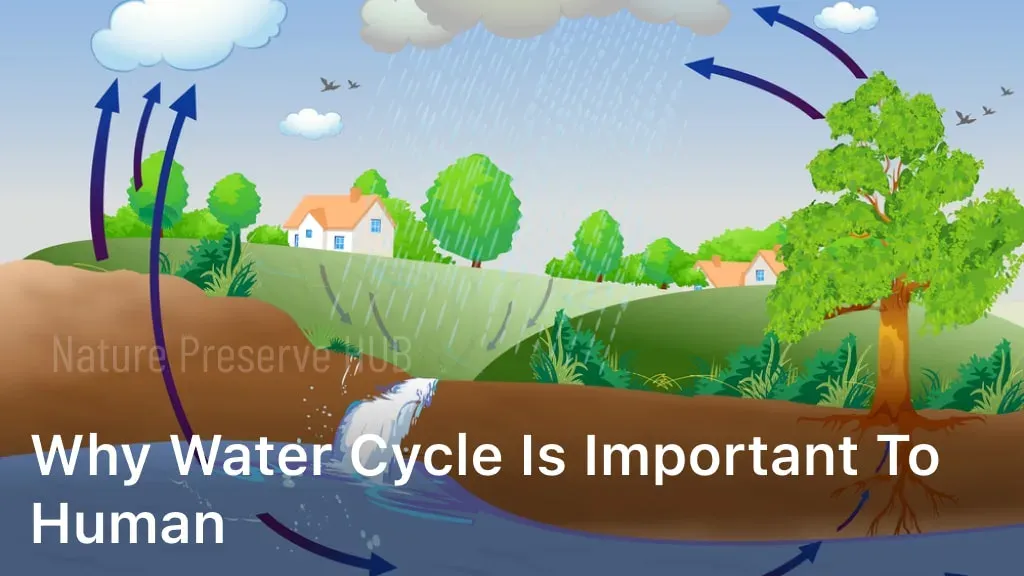
# What Does a Healthy Ecosystem Look Like? Key Features Revealed A healthy ecosystem is the foundation of life on Earth, supporting biodiversity, sustainability, and the balance of natural processes. But what does a healthy ecosystem look like? It is a dynamic system where biological diversity thrives, nutrient cycles function efficiently, and interdependence among species ensures resilience against disturbances. Understanding these characteristics is crucial for conservation efforts, environmental policy, and ecological restoration. A healthy ecosystem not only sustains wildlife and plant life but also provides essential services like clean air, water, and soil fertility to human populations. This article explores the key features of a thriving ecosystem, highlighting its components, functions, and indicators of health. ## Key Components of a Healthy Ecosystem A healthy ecosystem consists of multiple interconnected components that work together to maintain ecological balance. These components include biotic (living) and abiotic (non-living) factors, such as producers, consumers, decomposers, sunlight, water, and soil. Each plays a vital role in ensuring the system remains functional and stable. ### 1. Biodiversity Biodiversity is a cornerstone of a healthy ecosystem. It refers to the variety of species—from microscopic organisms to towering trees—and the genetic diversity within them. A diverse ecosystem is more resilient to environmental changes, such as climate shifts or invasive species. For instance, pollinators like bees and butterflies are essential for plant reproduction, while predators help control population sizes of herbivores. Without biodiversity, an ecosystem can become vulnerable to collapse. #### *The Importance of Species Diversity* Species diversity ensures that no single species dominates the ecosystem, allowing for natural checks and balances. When one species declines, others can step in to fill its role. This resilience is critical in maintaining ecosystem stability. For example, in a forest ecosystem, multiple tree species contribute to different functions, such as water retention, carbon sequestration, and habitat provision. #### *Genetic and Ecosystem Diversity* Genetic diversity within species enhances their ability to adapt to changing environments. A healthy ecosystem also includes ecosystem diversity, meaning it hosts various habitats such as wetlands, grasslands, and coral reefs. These habitats support different species and contribute to the overall health of the system. ### 2. Productivity and Energy Flow A healthy ecosystem must maintain a consistent flow of energy through its trophic levels. Producers, like plants, convert sunlight into energy via photosynthesis, which is then transferred to consumers and decomposers. This energy flow is essential for sustaining life and ensuring the availability of resources. #### *Balanced Trophic Levels* The pyramid of energy in a healthy ecosystem is balanced, with enough producers to support consumers and decomposers. Overexploitation of a species, such as overfishing or deforestation, can disrupt this balance. For example, removing too many primary producers (like algae in marine ecosystems) can lead to a collapse of the food chain. #### *Healthy Biomass and Growth* An ecosystem with adequate biomass and sustainable growth is a sign of health. This means that the biomass of producers is sufficient to feed the consumers, and the decomposers are active enough to recycle nutrients. When this balance is disrupted, the ecosystem may struggle to support its inhabitants. ### 3. Stability and Resilience A healthy ecosystem is stable and resilient, meaning it can withstand disturbances and recover quickly. Stability refers to the consistency of ecological processes, while resilience is the system’s ability to bounce back from disruptions. #### *Resisting External Shocks* Stable ecosystems resist external shocks such as droughts, floods, or pollution. For example, wetlands act as natural buffers during heavy rainfall, reducing the impact of flooding on surrounding areas. This resilience is a result of robust biodiversity and efficient nutrient cycling. #### *Adapting to Change* Resilience also involves the ecosystem’s ability to adapt to gradual changes. This is achieved through natural selection and evolutionary processes. A healthy ecosystem can evolve over time, incorporating new species or modifying its structure to sustain itself. For instance, forests may regenerate after a fire due to the presence of fire-resistant tree species. ## Essential Functions of a Healthy Ecosystem A healthy ecosystem performs critical functions that support life and regulate environmental conditions. These functions include nutrient cycling, water purification, climate regulation, and soil formation. When these processes are disrupted, the ecosystem’s health declines. ### 1. Nutrient Cycling Nutrient cycling is the process by which nutrients are recycled within an ecosystem. This ensures that resources are continuously available for plant and animal life. Healthy ecosystems have efficient nutrient cycles that prevent nutrient depletion and toxic buildup. #### *Decomposition and Recycling* Decomposers, such as fungi and bacteria, break down organic matter into nutrients that can be reused by producers. In a healthy ecosystem, this process is continuous and balanced. For example, in a tropical rainforest, rapid decomposition of fallen leaves supports the growth of new vegetation. #### *Soil Health and Nutrient Availability* Soil health is closely tied to nutrient cycling. A healthy ecosystem maintains fertile soil through organic matter accumulation and mineral cycling. When soil degradation occurs, such as due to erosion or chemical pollution, the ecosystem’s productivity drops. ### 2. Water Regulation Water regulation involves the management and distribution of water resources within an ecosystem. This includes evaporation, condensation, precipitation, and groundwater recharge. A healthy ecosystem ensures that water is available for all species and that water quality is maintained. #### *Wetlands and Aquatic Ecosystems* Wetlands, such as mangroves and marshes, play a vital role in water regulation by acting as natural filters and storage systems. They help prevent flooding and reduce water pollution by trapping sediments and nutrients. #### *Rainforests and Water Cycles* In rainforest ecosystems, the water cycle is highly active, with high humidity and precipitation sustaining the lush vegetation. This creates a microclimate that supports unique species and maintains soil moisture. ### 3. Climate Regulation Ecosystems regulate global and local climates by influencing temperature, humidity, and carbon dioxide levels. A healthy ecosystem acts as a carbon sink, absorbing CO2 from the atmosphere and mitigating climate change. #### *Forests as Carbon Sinks* Forests, such as old-growth forests and mangroves, are powerful carbon sinks that