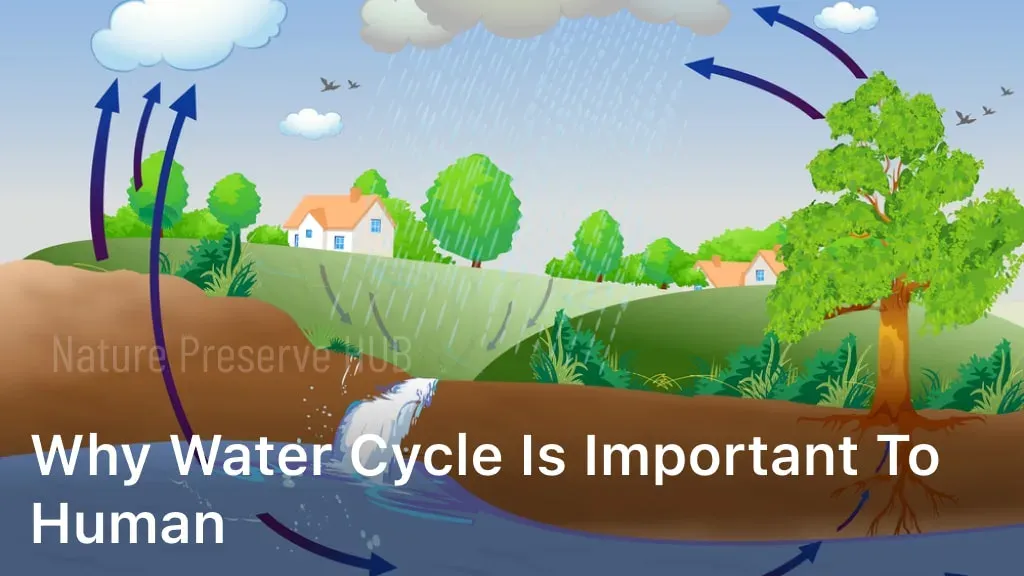
The planet is facing unprecedented environmental challenges, from climate change to deforestation and pollution. As adults, we often assume that these issues are beyond the reach of children, but the truth is, the next generation holds the key to sustainable solutions. Teaching kids about the importance of conservation is not just about instilling knowledge—it’s about nurturing a sense of responsibility, curiosity, and action toward protecting the Earth. With the right approach, conservation education for kids can be both engaging and impactful, transforming small, everyday habits into lifelong values. By making learning about the environment fun, we can inspire children to become eco-conscious citizens who actively contribute to the planet’s well-being. This article explores how educators, parents, and caregivers can introduce conservation concepts to children through creative, interactive, and meaningful activities. The Importance of Early Environmental Awareness Introducing conservation education for kids at an early age lays the foundation for a sustainable future. Children are naturally curious and receptive to learning, making them ideal candidates for environmental education. When they understand the connection between their actions and the health of the planet, they are more likely to adopt eco-friendly behaviors. For example, teaching kids about waste reduction can lead to habits like reusing plastic bottles or planting a garden, which not only benefit the environment but also foster a deeper appreciation for nature. Early exposure to conservation topics helps children develop critical thinking skills, as they learn to analyze the consequences of human activity on ecosystems. The impact of conservation education for kids extends beyond individual behavior. It encourages collective action, as children often share what they learn with family and friends. When a child creates a poster about recycling or explains why turning off lights saves energy, they become ambassadors for the environment. This ripple effect is essential in addressing global challenges, as it builds a generation that values sustainability and innovation. Moreover, early education instills a sense of empowerment, showing children that even small steps can make a significant difference. By integrating environmental awareness into daily routines, we can create a culture of conservation that feels natural and rewarding. For instance, discussing the water cycle during a bath or explaining the role of bees in pollination while planting flowers can turn ordinary moments into learning opportunities. These interactions help children see the environment as a living system that needs care and protection. As they grow, this understanding can evolve into a commitment to ecological stewardship. Making Conservation Learning Interactive and Enjoyable Children learn best through play, exploration, and hands-on experiences. To make conservation education for kids engaging, it’s important to incorporate interactive elements that spark interest and participation. One effective method is to turn lessons into games or challenges, such as a “Save the Planet” scavenger hunt. In this activity, kids can search for items in their home that can be recycled or reused, then create a plan to reduce waste. This approach not only teaches practical skills but also makes conservation feel like an exciting adventure. Another way to make learning fun is by using storytelling and role-playing. Books and animated videos that depict animals living in harmony with their environment can captivate children’s imaginations. For example, a story about a forest animal struggling to find clean water can lead to a discussion on the importance of conserving water resources. Role-playing activities, such as pretending to be a tree or a river, help children empathize with nature and understand their role in preserving it. These methods transform abstract concepts into relatable and memorable experiences. Technology can also play a vital role in making conservation education for kids more accessible and engaging. Educational apps and online games that teach about renewable energy, biodiversity, or climate change offer interactive platforms where children can explore topics at their own pace. For instance, some apps simulate the effects of pollution on marine life, allowing kids to make choices that impact the environment. Digital tools can complement traditional teaching methods, providing visual and dynamic content that holds children’s attention. Incorporating music and art into conservation education for kids is another creative strategy. Teaching kids songs about recycling or composing a simple drawing of a green planet can reinforce key messages in a way that feels light and playful. These activities also allow children to express their understanding and creativity, making learning a more personalized and enjoyable process. By combining different forms of media and creativity, we can ensure that conservation education for kids remains dynamic and relevant. Activities That Foster a Love for Nature and Sustainability Hands-on activities are a powerful tool in conservation education for kids, as they allow children to experience the environment firsthand. One such activity is building a mini compost bin. By using food scraps and organic waste, kids can learn how to turn trash into nutrient-rich soil that supports plant growth. This process not only teaches the importance of waste reduction but also introduces them to the cycle of life in ecosystems. Parents and educators can guide children through the steps of composting, from selecting the right materials to observing how decomposition works over time. Another activity that promotes environmental awareness is creating a nature journal. Encourage kids to record their observations of plants, animals, and weather patterns in a notebook. This practice helps them develop a connection with the natural world while learning about biodiversity and climate change. For example, they can draw a tree and label its parts, or note how a garden grows under different sunlight conditions. These journals become valuable tools for tracking progress and reflecting on the changes they witness in their surroundings. Outdoor exploration is another excellent way to introduce conservation education for kids. Taking children on nature walks or hikes allows them to interact with the environment in a direct and meaningful way. They can identify different types of plants, observe wildlife, and learn about the habitats that sustain them. Educators can turn these walks into educational opportunities by asking questions like, “What do you think would happen if this