
How to Help Endangered Species & Make a Real Impact
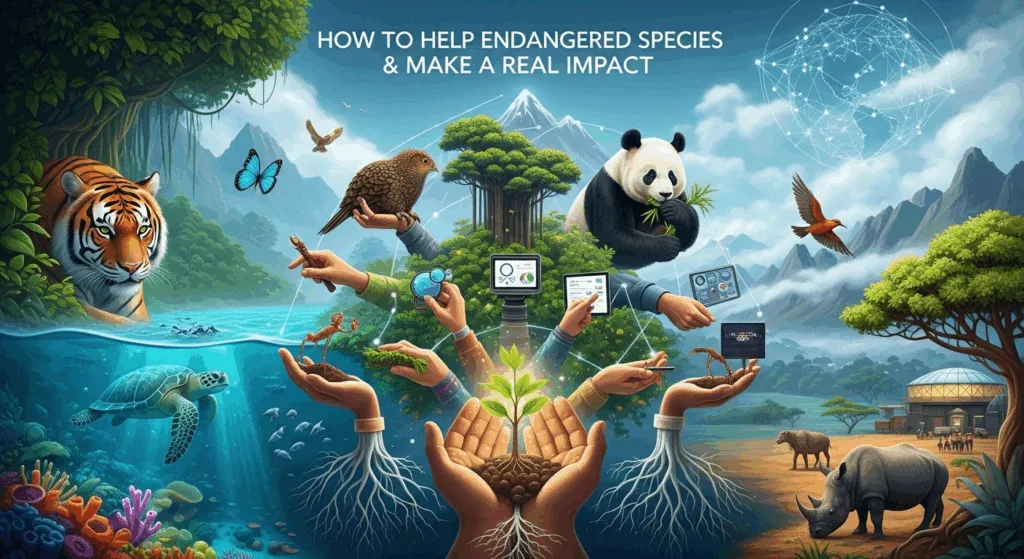
The world feels a little quieter today. In a poignant moment that has reverberated across the globe, conservationists, students, and admirers gathered in Pasadena, only to learn of the passing of a true giant, Dr. Jane Goodall. Her life was a testament to the profound connection between humanity and the animal kingdom, and her departure leaves a void. This loss, coupled with growing global challenges like political instability—evidenced by recent events such as the US federal government shutdown that can often disrupt vital environmental funding—paints a stark picture. It underscores the fragility of the systems designed to protect our planet’s most vulnerable inhabitants. It leaves many of us asking a crucial question: how to help endangered animal species and ensure their legacy, and the legacy of pioneers like Goodall, endures? The answer is not simple, but it is filled with hope and actionable steps that every single person can take. This is not just an issue for scientists or governments; it is a collective responsibility and an opportunity for us to make a real, lasting impact.
Understanding the Crisis: Why Are Species Endangered?
To effectively help, we must first understand the depth and breadth of the crisis. The endangerment of animal species is not a random, natural occurrence but overwhelmingly a result of human activities. The International Union for Conservation of Nature (IUCN) maintains the Red List of Threatened Species, a comprehensive inventory of the global conservation status of biological species. As of the latest updates, over 44,000 species are threatened with extinction. This staggering number is a direct consequence of a few key drivers that have accelerated dramatically over the past century, pushing ecosystems to their breaking point.
The primary culprit is habitat loss and degradation. As the human population expands, we clear forests for agriculture, build cities, and construct infrastructure, effectively shrinking, fragmenting, and destroying the natural homes animals need to survive, breed, and thrive. Deforestation in the Amazon for cattle ranching, the draining of wetlands for urban development, and the pollution of rivers with industrial waste are all facets of this same problem. When an animal’s home is gone, it is often left with nowhere to go, leading to starvation, increased conflict with humans, and ultimately, local or total extinction.
Beyond the physical destruction of their homes, species face a barrage of other threats. The illegal wildlife trade remains a multi-billion dollar industry, driving iconic species like elephants, rhinos, and tigers towards extinction for their ivory, horns, and skins. Adding to this is the pervasive issue of pollution, from plastic waste choking marine life to chemical runoff poisoning aquatic ecosystems. Overarching all of these is the existential threat of climate change, which alters weather patterns, raises sea levels, and changes temperatures faster than many species can adapt, disrupting food chains and making once-hospitable environments unlivable.
The Enduring Legacy of Pioneers: A Call to Action from Jane Goodall
In times of immense challenge, we often look to pioneers for guidance and inspiration. The recent news of Dr. Jane Goodall’s passing on October 1, 2025, has sent a wave of sorrow through the conservation community, but it has also served as a powerful catalyst for action. As the Jane Goodall Institute announced to a stunned crowd in Pasadena, the world lost a “UN messenger of peace and the founder of the Jane Goodall Institute.” Her groundbreaking work with chimpanzees in Gombe Stream National Park revolutionized our understanding of primates and, by extension, ourselves. She taught the world that animals are sentient beings with complex social lives and individual personalities.
Dr. Goodall’s most enduring message, however, was one of hope and the power of individual action. She firmly believed that “every individual matters. Every individual has a role to play. Every individual makes a difference.” This philosophy is more critical now than ever. The shock of her passing has transformed what was meant to be a tree-planting celebration into a solemn moment of gratitude and a renewed commitment to her life’s work. Her legacy is not just in her scientific discoveries but in the global movement she inspired, particularly through her Roots & Shoots program which empowers young people to create a better world for people, animals, and the environment.
Her death serves as a poignant reminder that the responsibility to protect our planet does not rest on the shoulders of one person. It is a torch that must be passed from one generation to the next. The work of the Jane Goodall Institute and countless other conservation organizations continues, fueled by her spirit. Honoring her legacy means taking her message of hope to heart and translating it into tangible action. It means recognizing that even the smallest, seemingly insignificant act can contribute to a larger, positive change.
Your Role at Home: Everyday Actions with Big Impacts
Many people feel overwhelmed by the scale of the extinction crisis, believing that their individual actions are too small to matter. This could not be further from the truth. The journey to saving endangered species begins at home, with the daily choices we make. These conscious decisions, when multiplied by millions of people, create powerful consumer and societal trends that can shift industries and policies.
Make Conscious and Sustainable Consumer Choices
Every dollar you spend is a vote for the kind of world you want to live in. By being a mindful consumer, you can directly reduce the pressure on endangered species and their habitats. This involves researching the products you buy and supporting companies that are committed to ethical and sustainable practices. A prime example is avoiding products containing unsustainable palm oil, the production of which is a major driver of deforestation in Southeast Asia, threatening species like orangutans, tigers, and rhinos. Look for certifications like the Roundtable on Sustainable Palm Oil (RSPO) label.
Similarly, be aware of the source of your food, furniture, and clothing. Choose seafood that is certified sustainable by organizations like the Marine Stewardship Council (MSC) to combat overfishing. When buying wood products, look for the Forest Stewardship Council (FSC) certification, which ensures the wood comes from responsibly managed forests. Refusing to buy souvenirs made from animal parts—such as ivory, coral, tortoise shells, or reptile skins—is a non-negotiable step in cutting off demand for the illegal wildlife trade. Your purchasing power is a formidable tool for change.
Reduce Your Personal Carbon Footprint
Climate change is a “threat multiplier,” exacerbating all other dangers facing wildlife. By taking steps to reduce your carbon footprint, you are directly helping to mitigate this overarching threat. This can be integrated into many aspects of your daily life. Simple changes in your home, such as switching to energy-efficient LED light bulbs, properly insulating your home, and unplugging electronics when not in use, can significantly cut down on energy consumption.
Transportation is another major source of carbon emissions. Whenever possible, choose to walk, bike, or use public transportation instead of driving. If you need a car, consider an electric or hybrid vehicle for your next purchase. Reducing air travel, especially long-haul flights, can also make a huge difference. Furthermore, consider your diet. Reducing consumption of red meat, particularly beef, can have a profound environmental impact, as cattle ranching is a leading cause of deforestation and a major source of methane, a potent greenhouse gas.
Create a Wildlife-Friendly Yard
Your own backyard, balcony, or even windowsill can become a small sanctuary for local wildlife. Creating a habitat that supports native fauna is a fantastic and rewarding way to contribute to biodiversity. Start by planting native flowers, shrubs, and trees. Native plants provide the right kind of food and shelter for local insects, birds, and small mammals. Pollinators like bees and butterflies, which are crucial for healthy ecosystems, are particularly dependent on native flora.
You can further enhance your space by:
- Providing a water source: A simple birdbath or a small dish of water can be a lifesaver for animals, especially during hot and dry periods.
- Avoiding pesticides and herbicides: These chemicals can be toxic to pollinators, birds, and other beneficial creatures, and can poison the food chain.
- Setting up bird feeders and houses: This provides essential support for local and migratory bird populations.
- Building a small "bug hotel" or leaving a log pile: This creates a habitat for beneficial insects and other small invertebrates that form the base of the local food web.
Stepping Up: Direct Support for Conservation Efforts
While individual lifestyle changes are foundational, offering direct support to conservation initiatives can amplify your impact significantly. This involves leveraging your time, skills, and financial resources to empower the organizations on the front lines of wildlife protection. It’s about moving from passive concern to active participation in the global conservation movement.
Donate to and Support Reputable Organizations
Non-profit organizations are the backbone of global conservation work. They fund research, protect habitats, work with local communities, advocate for policy changes, and run anti-poaching patrols. Your financial contribution, no matter the size, provides the fuel for these critical activities. However, it’s essential to ensure your money is going to a reputable and effective organization. Use charity evaluation tools like Charity Navigator, GuideStar, or Charity Watch to research an organization’s financial health, accountability, and transparency.
Consider supporting a range of organizations. Some, like the World Wildlife Fund (WWF) or The Nature Conservancy, have a broad, global reach. Others, like the Sheldrick Wildlife Trust or the Gorilla Doctors, focus on specific species or regions. Donating is not the only way to offer financial support. Many organizations have “adopt an animal” programs, which are a great way to engage children and families, or sell merchandise where the proceeds go directly to their conservation work.
Volunteer Your Time and Skills
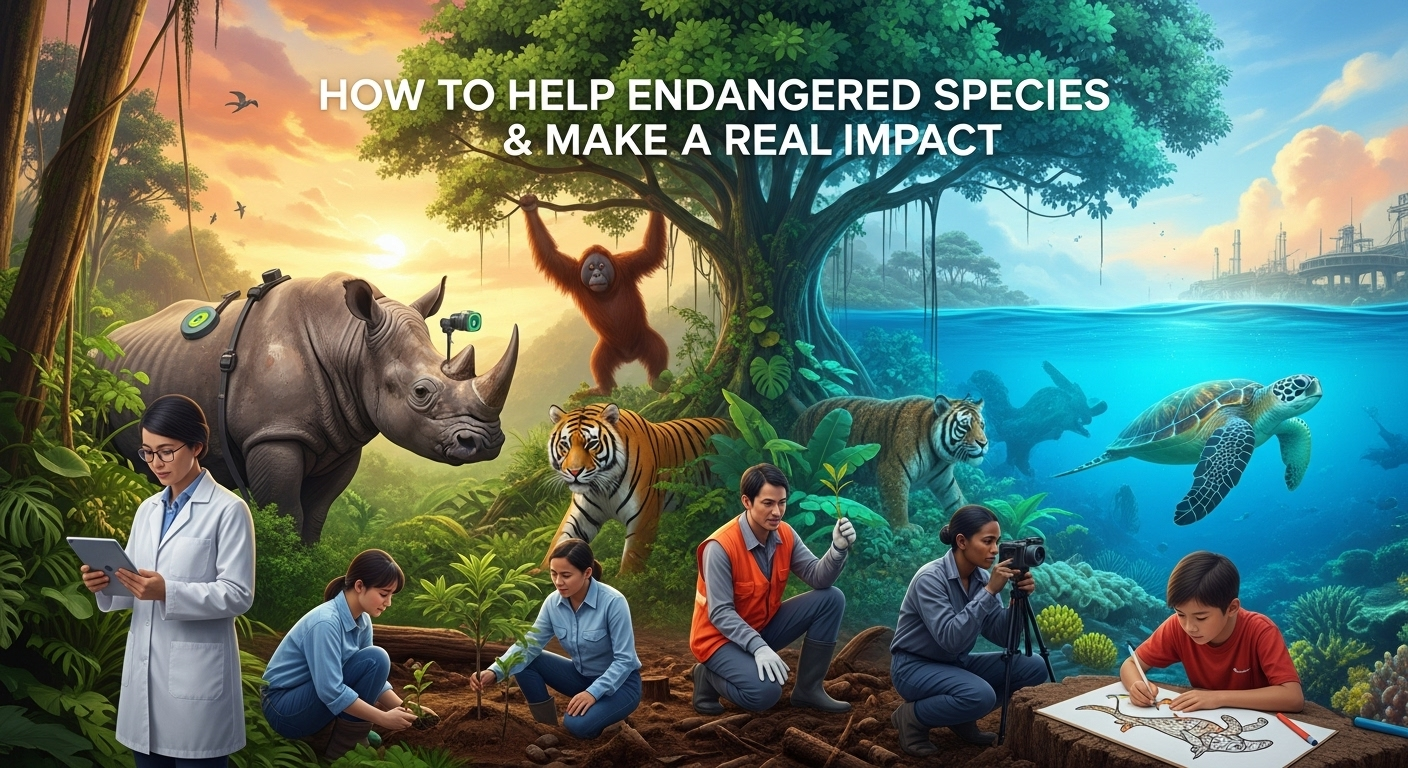
If financial donations are not feasible, your time and skills are equally valuable resources. There are countless opportunities to volunteer for conservation. Locally, you can volunteer at wildlife rehabilitation centers, help with habitat restoration projects in local parks, or participate in citizen science programs like bird counts or species monitoring. These activities provide direct help and connect you with a community of like-minded individuals.
For those seeking a more immersive experience, there are international volunteer programs. These can range from assisting researchers in the field to helping build infrastructure at a conservation center. It’s crucial to thoroughly research these “voluntourism” opportunities to ensure they are ethical and genuinely benefit the local wildlife and community, rather than exploiting them. Beyond hands-on work, you can volunteer your professional skills. Graphic designers, writers, accountants, and web developers can all offer pro bono services to non-profits that often operate on shoestring budgets.
Use Your Voice: The Power of Advocacy and Education
Never underestimate the power of your voice. Educating yourself, your friends, and your family about the threats to endangered species is a critical first step. Share articles, documentaries, and information from trusted sources on social media. Start conversations and raise awareness within your social circles. The more people who understand the issue, the greater the pressure for change will be.
Take this advocacy a step further by engaging in civic action.
- Contact your elected officials: Write letters, send emails, or call your local and national representatives. Urge them to support stronger environmental laws, to uphold protections like the Endangered Species Act, and to fully fund conservation initiatives.
- Sign and share petitions: Petitions are a powerful tool to demonstrate public support for specific conservation policies.
- Support businesses with strong environmental ethics: Conversely, call out companies that engage in destructive practices. Public pressure can be a powerful motivator for corporate responsibility.
The Broader Context: Systemic Challenges and Government Roles
While individual and community actions are vital, we must also acknowledge the larger systems at play. Government policies, international agreements, and economic stability form the bedrock upon which long-term conservation success is built. The protection of endangered species is deeply intertwined with political will and stable governance. Unfortunately, this foundation can sometimes be shaky, making non-governmental efforts all the more essential.
The stability of government support, for instance, is not always guaranteed. Events like the recent US federal government shutdown, which occur when political leaders fail to reach a budget agreement, can bring critical conservation work to a sudden halt. During a shutdown, National Parks may close or operate with skeleton crews, scientific research funded by federal grants is suspended, and the enforcement of environmental regulations can be compromised as employees are furloughed. This disruption can have immediate and damaging consequences for wildlife management and anti-poaching efforts, highlighting the vulnerability of relying solely on government-led initiatives.
This is precisely why a multi-pronged approach is so crucial. The work of non-profits, the choices of consumers, and the advocacy of private citizens create a resilient safety net. When official support falters, this network can continue to raise funds, conduct research, and keep public pressure on policymakers. It ensures that the mission of protecting endangered species does not stop, even when governments do. Your support for these independent organizations becomes an essential buffer against political and economic instability.
| Action Type | Effort Level | Potential Impact | Key Examples |
|---|---|---|---|
| Conscious Consumerism | Low to Medium | High (Collective) | Buying certified sustainable products (FSC, MSC), avoiding destructive ingredients like palm oil, refusing wildlife souvenirs. |
| Lifestyle Changes | Medium | High | Reducing meat consumption, minimizing energy use, opting for public transport or biking, reducing air travel. |
| Local Action | Low to Medium | Medium | Planting a native garden, volunteering at a local park or shelter, participating in citizen science. |
| Financial Donation | Low to High | High | Making a one-time or recurring donation to a vetted conservation organization, “adopting” an animal. |
| Advocacy | Low to Medium | High | Signing petitions, contacting elected officials, sharing educational content on social media, supporting ethical businesses. |
Conclusion
The mission to protect endangered species is one of the defining challenges of our time. The recent, somber news of Dr. Jane Goodall’s passing serves as a powerful reminder of both what we’ve lost and the immense responsibility we now carry. It is a call to transform grief and admiration into action, to pick up the torch she carried for so long. The path forward is not a single road but a network of interconnected trails, each accessible to every one of us.
You can start at home by making thoughtful choices as a consumer and reducing your environmental footprint. You can step up by dedicating your time, skills, or financial resources to the organizations fighting on the front lines. And you can raise your voice, becoming an advocate for the voiceless and demanding systemic change. From creating a small patch of native habitat in your garden to urging your government to uphold its environmental commitments, every action matters. In the words of Dr. Goodall, “You cannot get through a single day without having an impact on the world around you. What you do makes a difference, and you have to decide what kind of difference you want to make.” Let us choose to make a difference that honors her legacy and secures a future for all species.
—
Frequently Asked Questions (FAQ)
Q: What is the difference between an endangered and a threatened species?
A: These are classifications used by the IUCN Red List and government bodies like the U.S. Fish & Wildlife Service. A threatened species is one that is likely to become endangered within the foreseeable future. An endangered species is one that is in immediate danger of extinction throughout all or a significant portion of its range. “Endangered” represents a higher level of risk than “threatened.”
Q: How can I help if I dont have much money to donate?
A: Financial donations are just one way to help. Your time and voice are incredibly valuable. You can volunteer for a local wildlife organization, participate in citizen science projects, or help with habitat restoration. You can also become an advocate by educating others, signing petitions, and contacting your political representatives to push for stronger environmental protections. Making sustainable choices in your daily life also has a significant collective impact without a direct cost.
Q: Are zoos and aquariums good or bad for endangered animals?
A: This is a complex issue. Modern, accredited zoos and aquariums can play a crucial role in conservation. They participate in Species Survival Plan (SSP) programs, which are coordinated breeding programs for endangered species to maintain genetic diversity. They also contribute significant funding to in-situ (in the wild) conservation projects and serve as vital centers for public education and research. However, it’s important to support institutions accredited by bodies like the Association of Zoos & Aquariums (AZA), which ensures high standards of animal welfare and a genuine commitment to conservation.
Q: What is the single biggest threat to wildlife today?
A: While threats are often interconnected, the overwhelming consensus among scientists is that habitat loss and degradation is the single biggest threat to wildlife globally. When animals lose the place they live, hunt, and raise their young, all other aspects of their survival are compromised. This loss is primarily driven by human activities like agriculture, deforestation, urbanization, and mining.
***
Article Summary
This article serves as a comprehensive guide on how to help endangered species, framed by the urgent call to action following the recent passing of conservation icon Dr. Jane Goodall. It emphasizes that despite daunting challenges, such as the potential for government funding gaps during shutdowns, every individual has the power to make a significant impact.
The guide is broken down into key actionable areas:
- Understanding the Crisis: It outlines the primary threats to wildlife, including habitat loss, the illegal wildlife trade, pollution, and climate change.
- Individual Action at Home: It details practical, everyday steps like making sustainable consumer choices (e.g., avoiding unsustainable palm oil), reducing ones carbon footprint, and creating wildlife-friendly spaces in backyards.
- Direct Support: It encourages more active involvement through donating to or volunteering for reputable conservation organizations and using ones voice for advocacy by contacting officials and educating others.
- Systemic Context: It highlights the importance of stable government support for conservation while stressing that a strong network of non-profit and citizen action is essential to provide resilience against political and economic instability.
Ultimately, the article carries a message of hope, echoing Dr. Goodall’s philosophy that individual actions, when combined, can create profound and lasting positive change for the planet’s vulnerable species.
