
Create a Backyard Wildlife Habitat: A Step-by-Step Guide
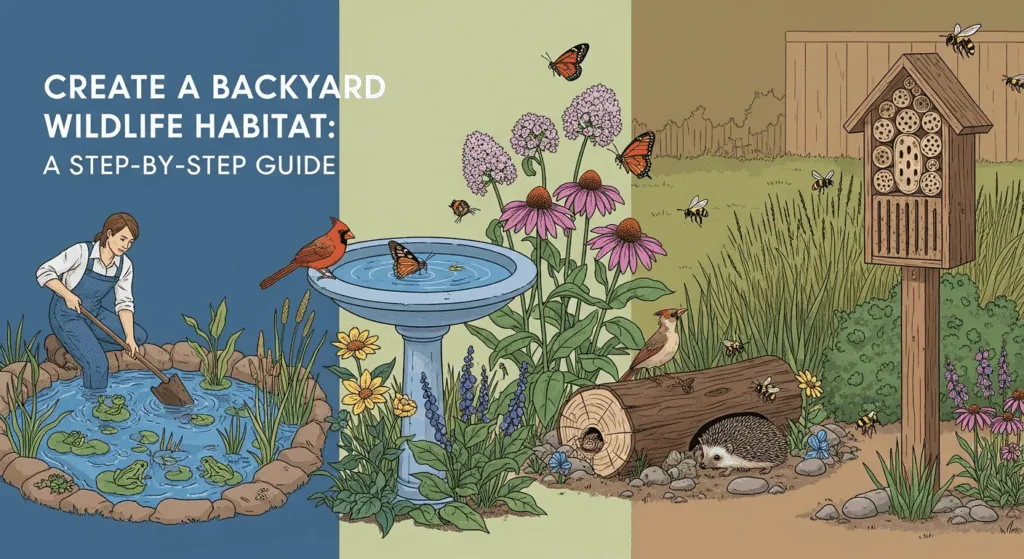
Turning your yard into a vibrant ecosystem is one of the most rewarding projects a homeowner can undertake. It’s more than just gardening; it’s an act of ecological restoration that brings life, color, and sound to your personal space. In a world where natural landscapes are shrinking, creating a wildlife habitat in your backyard provides a crucial sanctuary for birds, pollinators, and other creatures, offering them the resources they need to thrive. This guide will walk you through the essential steps, from planning and planting to long-term maintenance, helping you transform any patch of green into a bustling haven for nature.
The “Why”: Understanding the Power of Your Patch
Before digging in, it’s vital to understand the profound impact even a small backyard habitat can have. In our modern world, urban and suburban sprawl has led to widespread habitat fragmentation. This process breaks up large, contiguous natural areas into smaller, isolated patches, making it difficult for wildlife to find food, mates, and safe passage. Your yard can become a critical link in a larger ecological network, acting as a “stepping stone” or a wildlife corridor that connects larger green spaces like parks and nature preserves.
This effort offers a potent antidote to feelings of helplessness in the face of environmental challenges. It’s a tangible, direct way to support biodiversity right outside your door. By providing the essential elements for survival, you are actively participating in conservation. You’ll witness the direct results of your work as new species of birds visit your feeders, native bees buzz among your flowers, and butterflies lay their eggs on the host plants you’ve carefully selected. This connection to the natural world has been shown to reduce stress, improve mental well-being, and foster a deeper appreciation for the environment.
Furthermore, a well-designed habitat is a living classroom for children and adults alike. It offers endless opportunities to learn about local ecology, life cycles, and the intricate relationships between plants and animals. Instead of reading about pollination in a book, you can watch it happen on your coneflowers. You can identify visiting bird species, track the progress of a caterpillar as it transforms into a chrysalis, and discover the fascinating world of beneficial insects that provide natural pest control, reducing the need for harmful chemicals.
The Four Pillars of a Thriving Wildlife Habitat
To successfully create a self-sustaining habitat, you must provide the four essential elements that all wildlife need to survive, a framework championed by organizations like the National Wildlife Federation. These are Food, Water, Cover, and a Place to Raise Young. Think of these as the foundational pillars upon which your entire backyard ecosystem is built. A failure to provide any one of these can significantly limit the diversity and abundance of wildlife your yard can support.
Each pillar is interconnected. For example, a bird might be attracted by a food source, but it won’t stay if there’s no nearby cover to escape from a predator or a safe place to build a nest. A pond provides water, but it’s far more valuable if it’s surrounded by native plants that offer food and shelter for dragonflies, frogs, and visiting birds. The goal is not just to provide these four elements in isolation but to integrate them into a cohesive, layered, and functional landscape.
Mastering this concept is the key to moving beyond simply having a “bird-friendly yard” to creating a true, multi-species habitat. It’s about thinking like an ecologist and seeing your property as a complete system. Your plant choices will influence the insects, which in turn feed the birds. Your water source will support amphibians and provide drinks for mammals. The brush pile you create offers shelter to a host of creatures. When these four pillars are in place and working together, your backyard truly comes alive.
Step 1: Providing a Natural Food Source
While bird feeders are a popular starting point, a truly sustainable habitat relies on a diverse array of natural food sources provided by plants. Native plants are the cornerstone of any backyard habitat. They have co-evolved with local wildlife for millennia and are therefore perfectly suited to meet their nutritional needs. Unlike many non-native ornamental plants, their flowers, seeds, nuts, and berries are recognized and utilized by local fauna. A yard rich in native plants becomes a year-round, self-stocking pantry.
The most effective strategy is to think in layers, mimicking the structure of a natural forest or meadow. This includes:
- Canopy Layer: Large native trees like oaks, maples, or pines. Oaks, for instance, are a keystone species, supporting hundreds of species of caterpillars, which are a primary food source for baby birds.
- Understory Layer: Smaller trees and large shrubs like dogwood, serviceberry, or viburnum, which provide berries in different seasons.
- Herbaceous Layer: Perennials, annuals, and grasses like coneflower (Echinacea), black-eyed Susan (Rudbeckia), and milkweed (Asclepias*) that provide nectar for pollinators and seeds for birds.
This layered approach ensures that you provide different types of food at different heights, catering to the specific needs of various species. It also guarantees a continuous food supply throughout the year. Early-blooming plants feed the first emerging pollinators in spring, summer flowers support bees and butterflies through the hot months, and late-season bloomers like asters and goldenrods provide critical nectar before winter. The seeds and berries that remain on plants into the fall and winter are a lifeline for overwintering birds.
Choosing the Right Native Plants
The term native refers to plants that occur naturally in your specific region and ecoregion without human introduction. These are the plants that local wildlife are adapted to use for food and shelter. The benefits are immense: they are typically more resilient, require less water and fertilizer once established, and are more resistant to local pests and diseases. They form the base of the local food web; for example, a monarch butterfly caterpillar can only eat the leaves of a milkweed plant.
To get started, research native plants specific to your area. Excellent resources include local native plant societies, university extension websites, and the Audubon’s native plants database. When selecting plants, aim for a variety of types—trees, shrubs, perennials, and grasses. Pay attention to their light and soil requirements to ensure they will thrive in your yard. Prioritize keystone plants, such as oaks, cherries, willows, and birches, which support an exceptionally high number of other species, particularly insects.
Creating a Pollinator Paradise
Pollinators, including bees, butterflies, moths, and hummingbirds, are essential for a healthy environment, and creating a garden for them is incredibly rewarding. To do this, you must ensure a continuous succession of blooms from early spring to late fall. Choose flowers of various shapes, sizes, and colors to attract a wide range of pollinators. For hummingbirds, focus on tubular red flowers like cardinal flower (Lobelia cardinalis) and bee balm (Monarda).
For bees and butterflies, clusters of flowers like those on milkweed, coneflower, and Joe Pye weed provide an excellent “landing pad” and abundant nectar. Remember to also plant host plants for butterflies, which are the specific plants their caterpillars need to eat. Without milkweed for monarchs or spicebush for the spicebush swallowtail, these butterflies cannot complete their life cycle in your yard, no matter how many nectar flowers you have. Avoid modern hybrid flowers that are bred for size or color at the expense of nectar and pollen.
Beyond Plants: Supplemental Feeding
While native plants are the foundation, supplemental feeding can be a valuable addition, especially during harsh weather or migration. It also brings wildlife up close for better viewing. The key is to do it responsibly. Bird feeders should be cleaned regularly (at least every two weeks with a 1:9 bleach-to-water solution) to prevent the spread of diseases like salmonella and avian conjunctivitis.
Vary the food you offer to attract a wider range of species. Black-oil sunflower seed is a universal favorite, while thistle (nyjer) seed will attract finches. Suet cakes provide high-energy fat for woodpeckers and chickadees, especially in winter. For hummingbirds, you can make your own nectar by simply boiling one part white sugar with four parts water—never use red dye, honey, or artificial sweeteners, as they are harmful. Position feeders strategically near cover, like a shrub or tree, so birds feel safe from predators while they eat.
Step 2: Adding a Consistent Water Source
Water is, in many ways, even more critical than food. All wildlife needs water to drink, and for many species like birds, amphibians, and insects, it’s also essential for bathing and thermoregulation. Providing a clean, reliable water source can dramatically increase the number and variety of animals that visit your yard. Even animals that may not be interested in your feeders will come for a drink or a bath, including species you might not expect.
There are water features to suit every space and budget, from a simple, shallow dish to an elaborate backyard pond. The most important considerations are that the water is shallow and accessible. Birds and small animals can drown in deep water. A good water source should have gently sloping sides or rocks and branches placed inside to provide an easy way for creatures to climb out if they fall in.
Maintenance is the most crucial aspect of providing water. Standing water can become a breeding ground for mosquitoes and can harbor harmful bacteria. The water in bird baths and small dishes should be changed every 1-2 days, especially in hot weather. A regular scrub with a stiff brush will prevent algae buildup. For larger features like ponds, incorporating a pump or a small waterfall will keep the water circulating, which not only adds the attractive sound of moving water but also significantly reduces mosquito issues and keeps the water fresher.
Simple Solutions: Bird Baths and Puddling Dishes
A bird bath is the easiest way to add water to your habitat. You can find them in many styles, but the best ones are shallow (no more than 2-3 inches deep at the center) with a rough texture for grip. If your bath is deeper, simply add a layer of pebbles or a few flat stones to create shallow areas. Place it in a relatively open area where birds can see predators approaching, but close enough to a tree or shrub for a quick escape.
For butterflies and bees, consider creating a “puddling dish.” These insects often congregate on damp sand or mud to absorb essential minerals and salts, a behavior known as puddling. You can easily replicate this by filling a shallow dish or plant saucer with sand and a few small rocks. Keep the sand moist, and you’ll soon find butterflies gathering to sip the mineral-rich water. This simple addition specifically caters to the needs of valuable pollinators.
Advanced Features: Ponds and Water Features
For those with more space and ambition, a small backyard pond is the ultimate water feature. It can support a much wider range of life, including dragonflies, damselflies, frogs, and toads, all of which are excellent at controlling pest insects. You can create a pond using a pre-formed rigid liner or a flexible EPDM rubber liner, which allows for a more custom, naturalistic shape.
Be sure to create a variety of depths. A shallow beach area is perfect for birds, while a deeper section (around 18-24 inches) can provide a winter refuge for frogs and fish, if you choose to add them. Incorporating aquatic plants is essential. Floating plants like water lilies provide cover, while emergent plants like cattails and irises offer egg-laying sites for dragonflies and shelter for frogs along the pond edge. Adding a small pump to create a waterfall or stream adds oxygen to the water and attracts even more wildlife with the sound of movement.
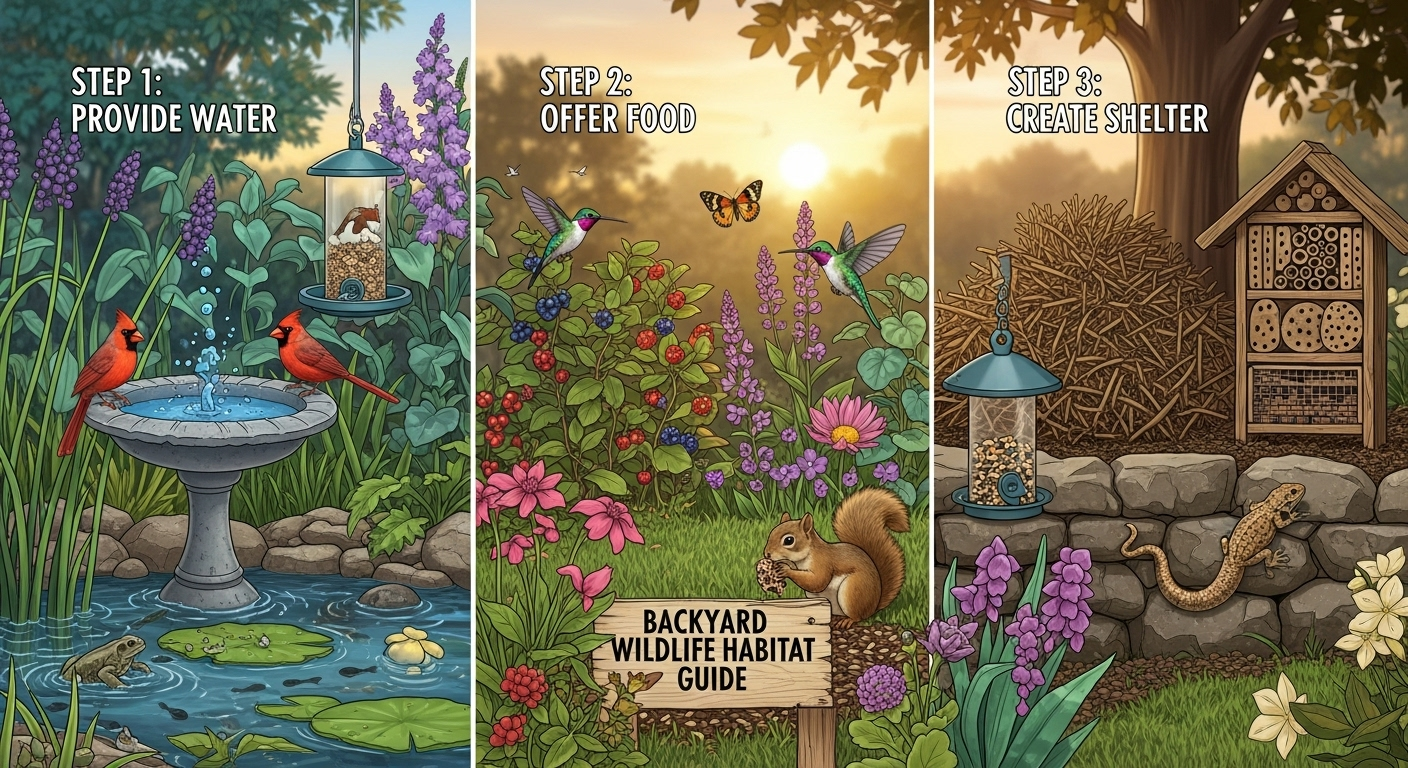
| Feature Type | Initial Cost | Maintenance Level | Wildlife Attracted |
|---|---|---|---|
| Shallow Dish/Saucer | Very Low ($) | High (Daily Change) | Birds, Bees, Butterflies |
| Pedestal Bird Bath | Low – Medium ($$) | High (Change every 1-2 days) | Birds, Squirrels |
| Small Pre-formed Pond | Medium ($$$) | Medium (Weekly checks) | Birds, Frogs, Dragonflies |
| Custom Liner Pond | High ($$$$) | Low-Medium (Seasonal) | Full Ecosystem (Amphibians, Insects, Birds, etc.) |
Step 3: Offering Shelter and Cover
Cover is the element of habitat that provides protection from two primary threats: predators and adverse weather. An animal will not feel safe foraging for food or raising its young in an area that is completely exposed. Without adequate cover, your yard is just a risky rest stop, not a home. Shelter gives wildlife the security they need to stay, rest, and live in your yard.
Think of cover in the same layered way you think about food. Evergreen trees and shrubs, like pines, spruces, or hollies, are particularly valuable as they provide dense, year-round protection from winter winds, heavy snow, and predators like hawks. Deciduous shrubs, especially those with dense, thorny branches like hawthorn or barberry, create impenetrable thickets where small birds can nest and hide. Even something as simple as a patch of tall native grasses provides crucial cover for ground-dwelling creatures.
The goal is to create a “soft edge” effect, where different habitat types blend into one another. Instead of having a stark line between your lawn and a flower bed, allow shrubs to transition into perennials, which then transition into a groundcover. This creates a complex structure with numerous nooks and crannies where wildlife can take refuge. Dead trees, known as snags, are an incredibly valuable source of cover and should be left standing whenever it is safe to do so. They provide nesting cavities for woodpeckers, owls, and chickadees, as well as hunting perches for raptors.
The Value of “Messy” Gardening
A key shift in mindset for creating a habitat is to embrace a little bit of mess. A perfectly manicured, sterile lawn offers almost nothing to wildlife. Learning to be a little less tidy in your gardening practices can provide immense benefits. For instance, leave the leaves in the fall! A layer of leaf litter on your garden beds acts as a natural mulch, but more importantly, it provides critical overwintering habitat for countless beneficial insects, including queen bumblebees, fireflies, and the pupae of many moths and butterflies.
Similarly, resist the urge to cut back all your perennial flower stalks in the fall. The hollow stems provide nesting sites for tiny native bees, and the remaining seed heads are a vital winter food source for finches, sparrows, and juncos. This approach, sometimes inspired by the Japanese aesthetic of wabi-sabi (finding beauty in imperfection), creates a more natural, functional, and life-supporting landscape with far less work for you.
Building Brush and Rock Piles
One of the best and easiest ways to provide instant cover is to build a brush pile. This can be created from fallen branches, old Christmas trees, and pruning debris. Start with a base of larger logs to create open spaces underneath, then pile smaller branches and twigs on top. This simple structure becomes a five-star hotel for a huge variety of creatures. Small mammals like rabbits and chipmunks will use it to escape predators, songbirds will use it for shelter from storms, and countless insects, salamanders, and even snakes will find a home within it.
A rock pile or a small rock wall can serve a similar function, particularly for reptiles and amphibians. The gaps between the rocks provide cool, damp hiding places for toads, salamanders, and garter snakes. Sunny, exposed surfaces on the rocks provide a perfect spot for lizards and snakes to bask and regulate their body temperature. Both brush piles and rock piles are excellent ways to recycle yard waste and natural materials into valuable habitat features.
Step 4: Creating Places to Raise Young
The final—and perhaps most important—pillar of a sustainable habitat is providing safe places for wildlife to reproduce and raise their young. This is what allows your backyard population to be self-sustaining and contributes to the health of the species as a whole. Without this element, your yard is merely a temporary stopover. Providing these places ensures that you are supporting the complete life cycle of the animals you attract.
This pillar is deeply integrated with the other three. The dense shrubs that provide cover also make ideal nesting sites for catbirds and robins. The native plants that provide food are also the specific host plants that caterpillars need to grow into butterflies. The snag you left standing becomes a nursery for a family of woodpeckers. A safe and resource-rich environment is the fundamental requirement for any animal to successfully raise a family.
Your role is to ensure these specific resources are available. This can involve both natural and man-made structures. For birds, this means planting dense shrubs and trees. For butterflies, it means planting the correct host plants. For native bees, it means leaving bare patches of soil for ground-nesters and hollow stems for tunnel-nesters. By thinking about the next generation, you complete the circle of life in your backyard habitat.
Selecting and Placing Nesting Boxes
Birdhouses are a wonderful way to provide nesting sites, but they are not a one-size-fits-all solution. Different species require boxes of specific dimensions with properly sized entrance holes. A box designed for a bluebird will not work for a wren or a chickadee. Never buy or build a birdhouse with an external perch below the hole, as this only provides a convenient handle for predators like raccoons or competing birds.
Proper placement is just as important as design. Mount boxes on a pole or post, preferably with a predator guard (a baffle on the pole) to prevent climbing predators. Face the entrance hole away from the prevailing wind, typically east or south. The height of the box also matters and varies by species. Research the specific needs of the birds you want to attract to give them the best chance of successfully raising a brood.
Supporting Insects and Amphibians
Creating places for insects to raise their young is paramount, as they form the base of the food web. The single most important thing you can do is plant native host plants. For example, to support monarchs, you must plant milkweed. To support black swallowtails, you need to plant members of the carrot family like parsley, dill, or fennel. Research the native butterflies in your area and their corresponding host plants.
Around 70% of our native bee species are ground-nesters. They need access to patches of bare, undisturbed, well-drained soil to dig their nests. Consider leaving a small, sunny patch of your yard un-mulched for them. The remaining 30% are tunnel-nesters, using hollow plant stems or beetle-bored holes in wood. Leaving plant stalks standing through the winter and creating “bee hotels” (blocks of wood with drilled holes of various sizes) caters to this group. For amphibians like frogs and toads, access to a pond or a permanent damp area is essential for them to lay their eggs.
Frequently Asked Questions (FAQ)
Q: How long will it take for wildlife to find my new habitat?
A: It can happen surprisingly fast! Birds and insects are always on the lookout for new resources. You might see new pollinators visiting a new flower within hours of planting it. Birds may discover a new bath or feeder within a day or two. Establishing a full, complex ecosystem takes time—seasons or even years—but you will see positive results and new visitors very quickly. Patience is key.
Q: I only have a small balcony or patio. Can I still create a habitat?
A: Absolutely! Every little bit helps. Container gardening is a powerful tool. You can plant native flowers in pots to provide nectar for pollinators. A small, shallow dish of water can serve as a vital water source. Even a single pot of milkweed on a city balcony can become a crucial stop for a migrating monarch. Focus on providing one or two of the four pillars, like food (nectar plants) and water.
Q: Are backyard habitats safe? What about unwanted pests like mosquitoes or rats?
A: A well-managed habitat is not only safe but can actually reduce pests. By attracting beneficial predators like dragonflies, frogs, birds, and predatory wasps, you create a natural pest control system. Mosquitoes can be almost entirely eliminated by ensuring you have no standing water for more than 48 hours or by keeping water moving with a pump. Rats are generally attracted to easy food sources like fallen birdseed, compost that isn’t properly managed, or pet food left outside. Keeping feeding areas clean and using appropriate feeders can mitigate this issue.
Q: Should I worry about attracting predators like hawks or foxes?
A: The presence of predators is a sign of a healthy, functioning ecosystem. A hawk hunting in your yard means you have a robust population of birds and small mammals. A fox passing through is a natural part of the suburban landscape. The key is to provide plenty of cover (the third pillar). Dense shrubs, brush piles, and evergreen trees give smaller animals a place to hide, creating a balanced and natural system. Viewing predator-prey dynamics is part of the experience of having a true habitat.
Conclusion
Creating a wildlife habitat in your backyard is a journey of discovery and a profound act of stewardship. By providing the four essential pillars—food, water, cover, and places to raise young—you transform your property from a simple yard into a living, breathing ecosystem. You forge a deeper connection with the natural world, support local biodiversity, and contribute to a healthier planet, one native plant and one water dish at a time.
Remember that you don’t have to do everything at once. Start small. Plant a few native perennials, put out a bird bath, or let a corner of your yard grow a little wild. Each small step builds upon the last, and over time, you will be rewarded with the buzz of bees, the flutter of butterflies, the song of birds, and the knowledge that you have made a tangible, positive difference. Your backyard is more than just land; it’s an opportunity to give back to the nature that sustains us all.
***
Summary
This step-by-step guide details how to transform a standard yard into a thriving backyard wildlife habitat. The core principle is to provide the four essential pillars required for wildlife survival: Food, Water, Cover, and a Place to Raise Young. The article emphasizes using native plants as the primary food source, as they are co-evolved with local fauna and form the foundation of the food web. Supplemental feeding stations and various water sources, from simple bird baths to complex ponds, are discussed with a focus on safety and maintenance. The importance of cover, created through layered plantings, brush piles, and embracing a “messier” gardening aesthetic, is highlighted as crucial for providing protection from predators and weather. Finally, the guide explains how to provide places for wildlife to reproduce, such as selecting appropriate nesting boxes and planting host plants for insects like butterflies. The process is presented as a scalable and deeply rewarding way to support biodiversity, connect with nature, and contribute to ecological conservation from your own home.
