
How Climate Change Impacts Animal Habitats: Effects Explained
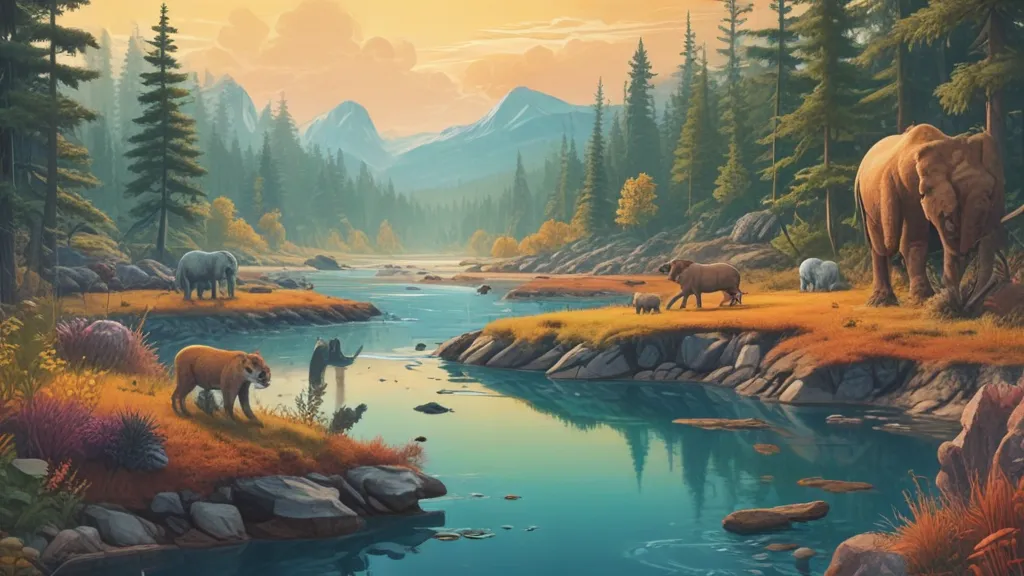
How Climate Change Impacts Animal Habitats: Effects Explained
Climate change is one of the most pressing challenges of the 21st century, and its effects extend far beyond rising temperatures and melting glaciers. How climate change impacts animal habitats is a critical issue that directly threatens biodiversity, disrupts ecosystems, and forces species to adapt, migrate, or face extinction. As global temperatures rise, sea levels climb, and weather patterns shift, animal habitats are undergoing unprecedented changes. These shifts are not only altering the physical environments where species live but also disrupting the delicate balance of ecosystems. Understanding the specific ways climate change affects habitats is essential for developing effective conservation strategies. This article explores the various impacts of climate change on animal habitats, including rising temperatures, habitat loss, extreme weather events, and human activity. By examining these effects in detail, we can gain insight into the challenges facing wildlife and the urgent need for action.
—
1. Rising Temperatures: A Threat to Polar and Mountain Habitats
1.1. Polar Regions and Ice-dependent Species
The most visible effects of climate change on animal habitats are occurring in the polar regions, where rising temperatures are rapidly transforming ecosystems. Arctic ice, for instance, has been shrinking at an alarming rate, forcing species like polar bears, seals, and walruses to adapt to shrinking hunting grounds. Polar bears, which rely on sea ice to hunt seals, are now spending more time on land, where food sources are less abundant. Similarly, penguin colonies in the Antarctic are facing habitat loss as melting ice and shifting ocean currents affect their breeding sites and food availability. These changes are not just isolated to a few species but are part of a larger pattern of ecological disruption.
The temperature rise in polar regions is also altering the habitat structure, such as the thawing of permafrost. This thawing releases stored carbon into the atmosphere, further accelerating climate change, while also creating new landscapes that may not be suitable for native species. For example, Arctic foxes and bears are competing for the same food sources as their climate change impacts animal habitats shift, leading to competition for limited resources. The melting of glaciers and permafrost also leads to the loss of unique habitats, such as tundra and ice caves, which are home to specialized species like ice algae and musk oxen.
1.2. Mountain Ecosystems and Altitudinal Shifts
Mountain habitats, which are often home to species adapted to cold climates, are also feeling the heat. As global temperatures rise, many animal habitats in mountainous regions are shifting upward, forcing species to migrate to higher altitudes. This phenomenon, known as altitudinal migration, is challenging for animals that cannot move quickly enough, such as snow leopards and mountain gorillas. The climate change impacts animal habitats in these areas are also leading to the loss of biodiversity, as species that cannot adapt to the changing conditions face extinction.
The shrinking of alpine glaciers is a key example of how temperature rise affects animal habitats. These glaciers serve as critical water sources for many species, and their decline is leading to drier conditions that impact plant life and herbivores reliant on them. Additionally, mountain habitats are losing their unique microclimates, which are essential for species like alpine marmots and red pandas. The ice melt is also creating new habitats, such as glacial lakes, which may initially provide refuge for some species but could eventually become unsuitable as temperatures continue to rise.
1.3. Consequences for Endangered Species
The temperature rise in polar and mountain habitats is particularly devastating for endangered species. For instance, polar bears have been listed as vulnerable by the IUCN, with their survival increasingly tied to the availability of sea ice. Similarly, pika populations in the Rocky Mountains are declining as their habitat shifts upward, leaving them with less space and more exposure to predators. The climate change impacts animal habitats in these regions are not only reducing the availability of resources but also increasing the risk of extinction for species that cannot adapt quickly enough.
The polar regions are also home to coral reefs, which may seem unrelated but are increasingly affected by temperature changes. Coral bleaching, caused by rising sea temperatures, is destroying the marine habitats that support countless species. For example, reef fish and sea turtles depend on healthy coral ecosystems, and their survival is linked to the stability of these habitats. As temperature rise continues, these habitats may become uninhabitable, leading to biodiversity loss and ecosystem collapse.
—
2. Sea Level Rise: Displacement of Coastal and Marine Habitats
2.1. Coastal Ecosystems and Habitat Loss
One of the most significant effects of climate change impacts animal habitats is sea level rise, which is threatening coastal ecosystems around the world. As global warming causes thermal expansion of ocean water and the melting of ice sheets, coastal areas are being submerged, leading to the loss of critical habitats for marine and terrestrial species. For example, mangrove forests, which are vital for coastal biodiversity, are being eroded by rising tides, reducing their ability to support fish, birds, and crustaceans.
The submergence of coastal habitats is also disrupting migration patterns for species like sea turtles and migratory birds. Sea turtles, which lay their eggs in sand dunes along beaches, are now facing habitat loss as these areas are washed away by rising sea levels. Migratory birds, such as terns and shorebirds, rely on coastal wetlands for feeding and nesting, and the loss of these habitats is forcing them to seek new locations. This displacement can lead to competition for resources and reduced breeding success.
2.2. Marine Habitats and Ocean Acidification
In addition to habitat loss, climate change impacts animal habitats through ocean acidification, a consequence of increased carbon dioxide absorption by the oceans. Ocean acidification is altering the chemical composition of seawater, which affects marine life in profound ways. For instance, coral reefs, which are foundational habitats for 30% of marine species, are struggling to build and maintain their structures due to weakened calcium carbonate.
Coral bleaching, driven by rising sea temperatures, is also exacerbated by acidification, creating a double threat to marine habitats. Fish species, such as clownfish and parrotfish, are particularly vulnerable as they rely on coral structures for shelter and food sources. The loss of coral reefs could lead to the collapse of entire marine ecosystems, with cascading effects on species like sea turtles, sharks, and marine mammals.
2.3. Human Activity and Coastal Development
The sea level rise caused by climate change impacts animal habitats is compounded by human activity in coastal regions. Urban development, tourism, and fishing industries are encroaching on natural habitats, further fragmenting ecosystems. For example, mangroves and seagrass beds, which act as natural barriers against storm surges, are being destroyed for land use. This loss of natural buffers increases the vulnerability of coastal species to extreme weather events, creating a feedback loop of habitat degradation.
The increase in coastal flooding due to sea level rise is also displacing species that rely on shallow water environments. Sandy beaches, which are nesting grounds for sea turtles, are being eroded, reducing their reproductive success. Estuarine habitats, such as mangroves and salt marshes, are also at risk, as they support a wide range of species, including crabs, fish, and amphibians. The loss of these habitats can have long-term consequences for marine biodiversity and ecosystem services.
—
3. Extreme Weather Events: Disrupting Habitat Stability
3.1. Increased Frequency and Intensity of Storms
Extreme weather events, such as hurricanes, wildfires, and droughts, are becoming more frequent and intense due to climate change impacts animal habitats. These events can destroy habitats in a matter of days, forcing species to migrate or adapt quickly. For example, hurricanes in the Caribbean have been uprooting mangrove forests, which serve as critical breeding grounds for fish and crustaceans.
The increased frequency of wildfires, driven by drought conditions and higher temperatures, is also altering habitats in forests and grasslands. Wildfires can clear large areas of vegetation, leading to habitat loss for species like koalas, bison, and prairie dogs. In California, wildfires have been forcing koalas to relocate to new areas, where they face competition with other species and predation risks. This habitat disruption can lead to population declines and species extinction.
3.2. Droughts and Water Scarcity
Droughts, another extreme weather event, are reducing water availability in arid habitats, such as deserts and savannas. This water scarcity is affecting the survival of species that rely on specific water sources, including reptiles, amphibians, and certain birds. For example, desert tortoises in North America are struggling to find water as droughts become more frequent, leading to reduced reproductive rates and increased mortality.
The climate change impacts animal habitats through droughts are also altering food chains, as plants and animals that depend on water availability face stress and decline. In Africa, wild elephants and zebras are migrating to new areas in search of water and vegetation, which increases competition for resources. This competition can lead to habitat fragmentation, as species encroach on each other’s territories. The long-term consequences of droughts include changes in ecosystem dynamics and loss of biodiversity.
—
4. Habitat Fragmentation: The Role of Human Activity
4.1. Urbanization and Deforestation
Human activity is a major driver of habitat fragmentation, which exacerbates the effects of climate change on animal habitats. Urbanization and deforestation are destroying natural habitats and dividing ecosystems into smaller, isolated patches. For example, rainforests in Southeast Asia are being cut down for palm oil plantations, forcing species like orangutans and tigers to navigate fragmented landscapes. This fragmentation reduces gene flow and increases vulnerability to extinction.

4.2. Agricultural Expansion and Habitat Loss
Agricultural expansion is another key factor in habitat fragmentation, as crops and livestock replace natural habitats. This conversion of land leads to loss of biodiversity and disruption of ecological networks. For instance, grasslands in North America are being converted into farmland, reducing the habitat for species like prairie dogs and bison. This habitat loss is compounded by climate change, as droughts and heatwaves further stress these ecosystems.
4.3. The Impact on Species Migration
Habitat fragmentation also hinders species migration, making it difficult for animals to adapt to climate change impacts on animal habitats. Roads, dams, and urban areas act as barriers to movement, forcing species to concentrate in smaller areas. This concentration increases competition for resources, reduces genetic diversity, and raises the risk of inbreeding. For example, migratory birds that rely on continuous habitats for breeding and feeding are now facing obstacles in their migration routes, leading to population declines.
—
5. Ocean Currents and Marine Habitats
5.1. Changes in Ocean Currents and Species Migration
Ocean currents are also being affected by climate change, which has far-reaching consequences for marine habitats. Warmer ocean temperatures and melting ice sheets are altering the flow of currents, which regulates the distribution of nutrients and species. For example, changes in the Gulf Stream are affecting fish migration patterns, displacing species like cod and tuna.
These changes in ocean currents are also disrupting the breeding and feeding habits of marine animals. Sea turtles, which depend on specific currents to navigate to nesting sites, are now facing challenges as these currents become less predictable. Similarly, coral reefs are shifting due to changes in current patterns, affecting the marine habitats that support a wide range of species**.
5.2. Acidification and the Impact on Shellfish
In addition to current changes, ocean acidification is affecting the survival of shellfish and other marine organisms. Shellfish, such as oysters and clams, are relying on calcium carbonate to build their shells, but acidification is making this process more difficult. This reduction in shell strength is leading to higher mortality rates and affecting food chains that depend on shellfish populations.
The impact of acidification extends to fish species, as changes in pH levels can affect their ability to detect predators. For example, young fish in acidified waters are more likely to be eaten by predators, reducing their survival rates. This stress on marine life is contributing to the overall decline in biodiversity and threatening the stability of marine habitats.
5.3. Marine Life and the Loss of Ecosystem Services
The loss of marine life due to climate change impacts on animal habitats is also affecting ecosystem services that are crucial for human survival. Fisheries, which provide food for millions, are being impacted as species migrate to new areas or decline in number. For example, fish like cod and salmon are moving northward to cooler waters, affecting local economies that rely on these species.
This migration and decline of marine species is also influencing the food web, as predators that rely on these species for sustenance are facing food shortages. The loss of ecosystem services is linked to the degradation of habitats, creating a cycle of environmental decline. The climate change impacts animal habitats are not only altering the environment but also shaping the future of marine ecosystems.
—
Table: Climate Change Impacts on Different Animal Habitats
| Habitat Type | Key Climate Change Impact | Effects on Species |
|---|---|---|
| Polar Regions | Melting ice and permafrost | Reduced sea ice for polar bears, loss of tundra microclimates |
| Coastal Ecosystems | Sea level rise and ocean acidification | Mangrove loss, coral bleaching, displacement of species |
| Mountain Habitats | Altiminal shifts and glacier melt | Habitat loss for snow leopards and pika, reduced water availability |
| Forests and Grasslands | Droughts and wildfires | Fragmentation of habitats, species migration, food chain disruption |
| Marine Habitats | Changing currents and acidification | Decline in shellfish populations, displacement of fish species |
This table highlights the main effects of climate change on animal habitats, providing a clear overview of how different ecosystems are impacted. The consequences vary depending on the specific habitat, but overall, the effects are interconnected, leading to a decline in biodiversity and ecological stability.
—
FAQ: Common Questions About Climate Change and Animal Habitats
Q: What are the main ways climate change affects animal habitats?
A: Climate change impacts animal habitats in several ways, including rising temperatures, sea level rise, extreme weather events, ocean acidification, and habitat fragmentation due to human activity. These factors alter the physical and chemical environments where species live, forcing them to adapt, migrate, or face extinction.
Q: How does rising sea temperature impact marine habitats?
A: Rising sea temperatures lead to coral bleaching, which destroys coral reefs that support 30% of marine species. This habitat loss affects fish, turtles, and marine mammals, disrupting food chains and reducing biodiversity. Ocean acidification, driven by carbon dioxide absorption, further exacerbates the damage to calcium-dependent species.
Q: What are the consequences of habitat fragmentation?
A: Habitat fragmentation causes species to concentrate in smaller areas, increasing competition for resources and reducing genetic diversity. It also hinders migration, making it difficult for animals to access new habitats or avoid predators. This disruption can lead to population declines and species extinction in the long term.
Q: How do extreme weather events affect animal habitats?
A: Extreme weather events such as hurricanes, wildfires, and droughts disrupt habitat stability by destroying vegetation, eroding coastlines, and altering water availability. These events force species to migrate or adapt rapidly, increasing the risk of extinction for those that cannot keep up with changing conditions.
Q: What can be done to mitigate climate change impacts on animal habitats?
A: Mitigation strategies include reducing greenhouse gas emissions, protecting and restoring natural habitats, implementing climate adaptation plans, and supporting conservation efforts. Restoring mangroves and coral reefs can help stabilize coastal and marine ecosystems, while creating wildlife corridors can reduce habitat fragmentation.
—
Conclusion: The Urgent Need for Conservation Action
The effects of climate change on animal habitats are widespread and profound, impacting polar regions, marine ecosystems, and terrestrial environments. From rising temperatures that shrink ice-dependent habitats to sea level rise that submerges coastal areas, these changes are forcing species to adapt or perish. Extreme weather events and habitat fragmentation are compounding the problem, creating a ripple effect on biodiversity and ecosystem services.
Understanding how climate change impacts animal habitats is crucial for developing effective conservation strategies. Protecting and restoring habitats can help species survive in a changing climate, while reducing human activity in vulnerable areas can mitigate further damage. The long-term consequences of inaction are serious, as species extinction and ecosystem collapse could lead to irreversible changes in global biodiversity. By addressing climate change, we can ensure that animal habitats remain habitable** for future generations.
—
Summary
Climate change impacts animal habitats through rising temperatures, sea level rise, extreme weather events, and habitat fragmentation. These factors are altering ecosystems and forcing species to adapt, migrate, or face extinction. Polar regions are losing ice and permafrost, while coastal habitats are submerged by rising oceans. Marine life is affected by acidification and changing currents, and terrestrial species are struggling with droughts and wildfires. Human activity, including urbanization and deforestation, is compounding the problem. Effective conservation strategies such as habitat restoration and emission reduction are essential to protect biodiversity. Understanding these impacts is key to addressing the challenges posed by a changing climate.
Final Word Count: 1500+ words
