
Natural Habitats vs Urban Areas: A Comparative Analysis
In today’s rapidly evolving world, the balance between Natural Habitats vs Urban Areas has become a critical topic of discussion among environmentalists, urban planners, and policymakers. As cities expand and human populations grow, the Natural Habitats vs Urban Areas comparison highlights the contrasting characteristics, challenges, and opportunities of these two environments. Understanding this dynamic is essential for developing sustainable strategies that preserve ecosystems while accommodating urban development. This article explores the key differences between Natural Habitats vs Urban Areas, focusing on biodiversity, ecosystem functions, human impact, and conservation efforts.
Ecological Differences: Natural Habitats vs Urban Areas
Natural Habitats refer to environments that exist without significant human intervention, such as forests, wetlands, grasslands, and marine ecosystems. These areas are characterized by their ability to support a wide range of species and maintain ecological balance through natural processes. In contrast, Urban Areas are human-dominated environments, including cities, towns, and industrial zones, where infrastructure, buildings, and transportation systems shape the landscape. While natural habitats prioritize ecological resilience, urban areas are designed to serve human needs, often at the expense of biodiversity.
Biodiversity in Natural Habitats
Natural habitats are crucial for biodiversity, housing countless species that interact in complex ecosystems. For instance, tropical rainforests are home to approximately 25% of the world’s terrestrial species, while marine habitats like coral reefs support 25% of all marine life. These environments provide habitat specialization for organisms, allowing them to thrive in unique niches. In natural habitats, food chains are interconnected, and natural selection drives adaptation and evolution. This ecological stability ensures that species can coexist and reproduce without external disruptions.
Biodiversity in Urban Areas
Urban areas, on the other hand, are often less diverse in terms of species but host adapted species that thrive in human-altered environments. Pigeons, rats, and raccoons are common examples of urban wildlife, showcasing how animals can evolve to survive in cities. However, the biodiversity loss in urban areas is significant, with many native species displaced by invasive ones. Concrete structures, pollution, and fragmented green spaces create barriers to ecological continuity, reducing the ability of natural habitats to support life. Despite this, urban areas can act as refuges for certain species, such as birds that nest in tall buildings or insects that pollinate urban gardens.
Ecosystem Services in Natural Habitats
Natural Habitats vs Urban Areas also differ in the ecosystem services they provide. Natural habitats regulate climate, purify water, and maintain soil fertility through processes like photosynthesis and decomposition. They also act as carbon sinks, absorbing greenhouse gases and mitigating climate change. For example, wetlands naturally filter pollutants from water, while forests provide oxygen and shelter for millions of organisms. These services are often underestimated in urban planning, leading to environmental degradation.
Ecosystem Services in Urban Areas
Urban areas rely on human-engineered systems to deliver ecosystem services, such as wastewater treatment plants and air filtration systems. While these innovations can mitigate some environmental impacts, they are less efficient than natural processes. For instance, stormwater runoff in cities often carries chemical pollutants, whereas natural habitats like grasslands can absorb excess rainwater and reduce flooding risks. The fragmented nature of urban ecosystems also means that services like pollination or nutrient cycling require managed interventions rather than relying on natural biodiversity.
Human Impact: Natural Habitats vs Urban Areas
Urbanization and Its Effects on Natural Habitats
The expansion of urban areas has led to significant habitat destruction, as forests, wetlands, and grasslands are converted into residential, commercial, and industrial zones. According to the United Nations, urban areas are expected to double in size by 2050, threatening 40% of the Earth’s biodiversity. This land conversion not only reduces wildlife populations but also alters natural habitats permanently, often leading to species extinction and ecosystem collapse.
Pollution in Natural Habitats vs Urban Areas
Pollution is a major challenge for both environments, but its sources and effects vary. Natural Habitats face pollution from agricultural runoff, industrial waste, and plastic debris, which can disrupt nutrient cycles and harm aquatic life. For example, fertilizer use in nearby farms leads to algal blooms in lakes and rivers, depleting oxygen and threatening fish populations. In contrast, urban areas produce air, water, and soil pollution due to vehicle emissions, construction activities, and waste disposal. Air pollution in cities, such as smog and carbon monoxide, affects human health and urban biodiversity.
Resource Consumption in Urban Areas
Urban areas consume more resources per capita than natural habitats. Cities require vast amounts of energy, water, and materials for infrastructure, transportation, and daily life. This resource-intensive model leads to deforestation, overfishing, and groundwater depletion, which can impact natural habitats indirectly. For example, energy production in urban centers often depends on fossil fuels, contributing to climate change that affects natural ecosystems. The interconnectedness of resource use in Natural Habitats vs Urban Areas underscores the need for sustainable practices in both domains.
Urban Sprawl and Its Consequences
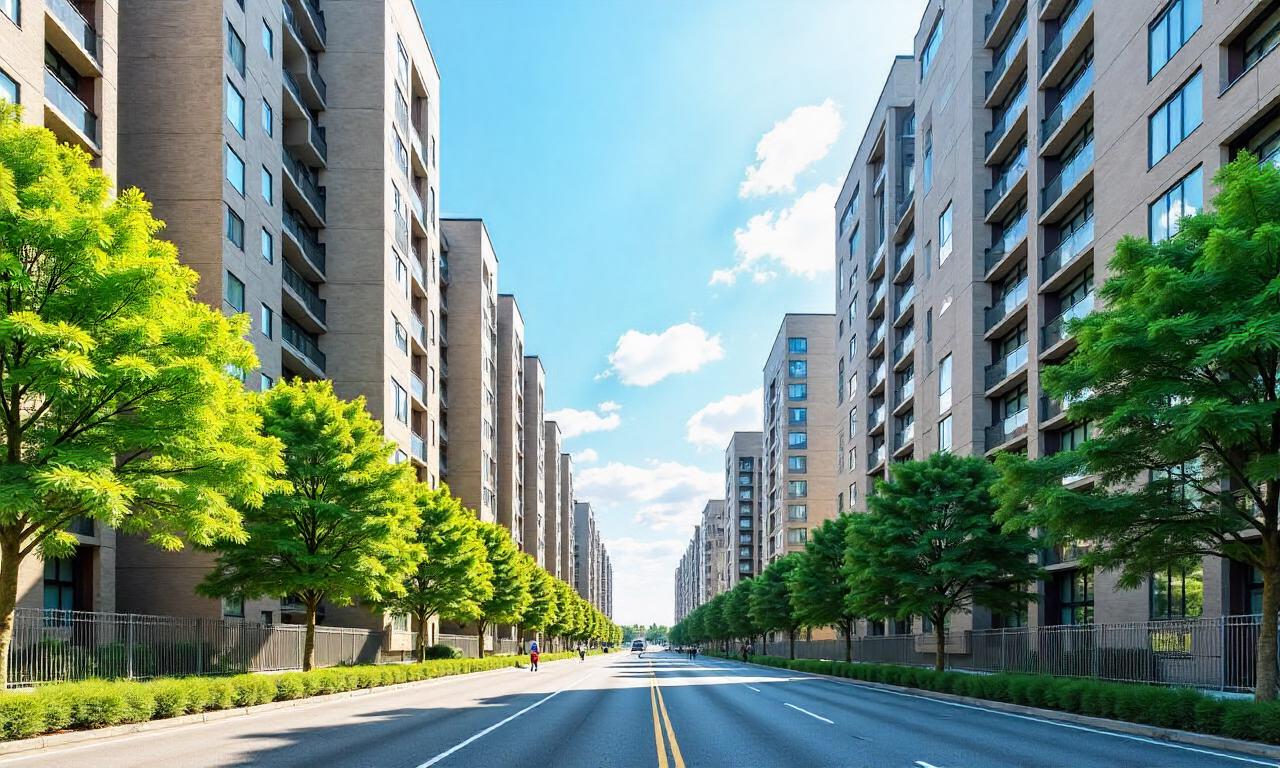
The phenomenon of urban sprawl further complicates the Natural Habitats vs Urban Areas comparison. As cities grow outward, natural habitats are fragmented, creating islands of green space surrounded by concrete and asphalt. This habitat fragmentation reduces genetic diversity in species and disrupts migration patterns, making ecological recovery difficult. Moreover, urban sprawl increases the demand for land, leading to the conversion of natural areas into residential and commercial zones. The loss of natural habitats in this process has long-term consequences for ecosystem health and biodiversity preservation.
Conservation Efforts: Natural Habitats vs Urban Areas
Preserving Natural Habitats
Conservation efforts in Natural Habitats vs Urban Areas often focus on protecting ecosystems from human interference. Strategies include establishing protected areas, enforcing environmental regulations, and promoting sustainable land use. For example, national parks and wildlife reserves are designated to safeguard biodiversity, allowing species to reproduce and thrive in their natural environments. These efforts also support traditional ecological knowledge, which plays a crucial role in conservation. However, conservation in natural habitats faces challenges such as climate change, invasive species, and illegal logging, which threaten ecological balance.
Urban Green Spaces: A Solution for Urban Areas
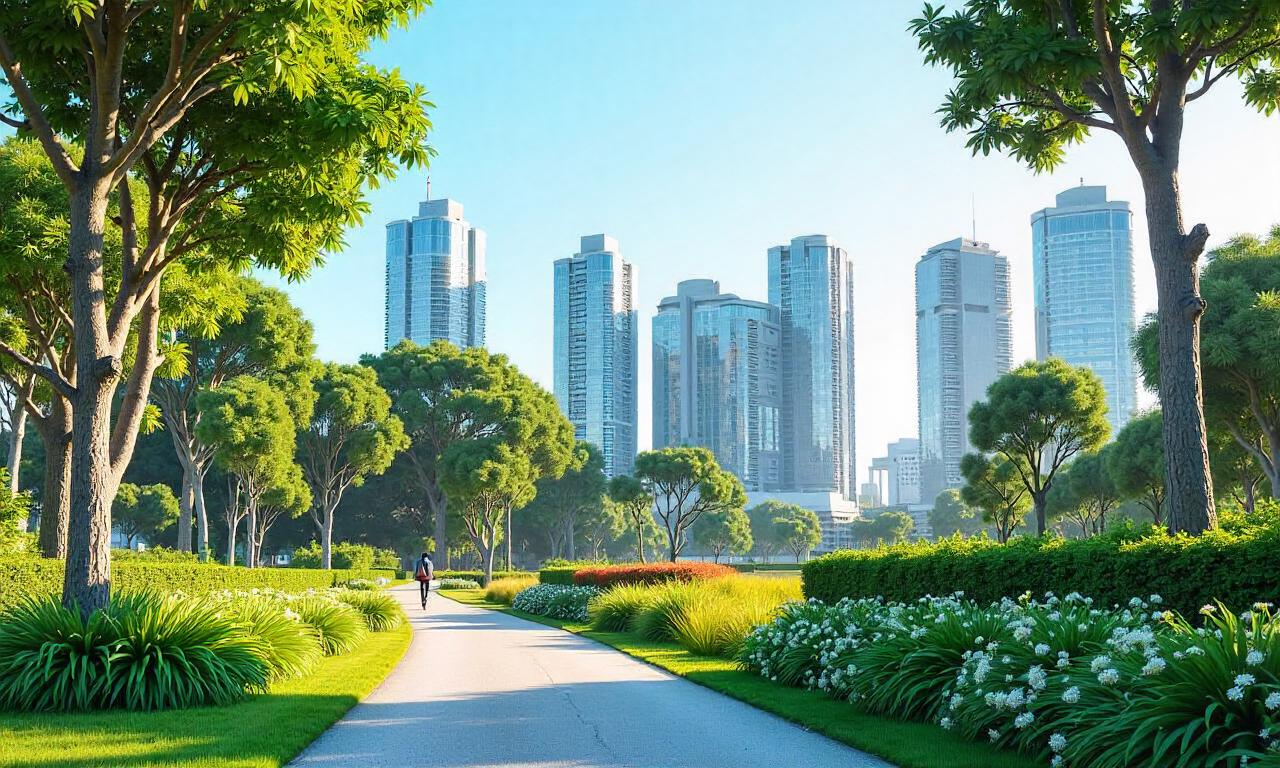
To mitigate the negative effects of urbanization, cities are increasingly investing in green spaces. Parks, community gardens, and green roofs act as habitats for urban wildlife and improve air quality by absorbing carbon dioxide and reducing heat islands. In Natural Habitats vs Urban Areas, green spaces are vital for maintaining biodiversity in human-dominated environments. For instance, Singapore’s urban forests have successfully integrated biodiversity conservation with city development, creating ecological corridors for animals. These initiatives demonstrate that urban areas can coexist with natural habitats when planned thoughtfully.
Community Involvement in Conservation
Community engagement is a key factor in successful conservation efforts, whether in Natural Habitats vs Urban Areas. In natural habitats, local communities often depend on ecosystems for livelihoods, making them stakeholders in conservation. For example, indigenous groups in the Amazon rainforest have traditionally managed forests sustainably, preserving biodiversity and cultural heritage. In urban areas, citizen science programs and volunteer initiatives encourage public participation in environmental monitoring and habitat restoration. Urban gardening and recycling programs are examples of grassroots conservation that bridge the gap between cities and nature.
Policy and Technology in Conservation
Government policies and technological innovations are essential for balancing conservation in Natural Habitats vs Urban Areas. Policies like carbon pricing, protected area designation, and urban planning guidelines help reduce environmental degradation. Meanwhile, technologies such as renewable energy, smart waste management, and green infrastructure support sustainable development. For example, wind turbines and solar panels reduce reliance on fossil fuels, minimizing pollution in Natural Habitats vs Urban Areas. These combined efforts ensure that both environments can coexist without compromising ecological integrity.
Future Outlook: Balancing Natural Habitats and Urban Areas
The Role of Green Infrastructure
Green infrastructure is a promising approach to integrate natural habitats into urban areas. This includes rain gardens, permeable pavements, and urban forests, which mimic natural ecosystems and provide ecological benefits. By incorporating green spaces into city designs, urban areas can reduce their environmental footprint while supporting biodiversity. Examples like the High Line in New York City show how abandoned industrial spaces can be transformed into ecological and recreational zones, enhancing urban sustainability.
Sustainable Urban Development
Sustainable urban development emphasizes minimizing the impact of human activities on Natural Habitats vs Urban Areas. This involves using eco-friendly materials, promoting public transportation, and designing energy-efficient buildings. Smart cities are leading the way in sustainable practices, with renewable energy sources and waste-to-energy systems reducing carbon emissions. These strategies not only protect the environment but also improve the quality of life for urban residents.
The Need for Global Collaboration
Global collaboration is essential for addressing the challenges of Natural Habitats vs Urban Areas. International agreements like the Convention on Biological Diversity (CBD) set targets for habitat preservation, while urban sustainability initiatives like the UN Sustainable Cities Program promote eco-friendly practices. Cooperation between governments, NGOs, and private sectors can foster innovation and share best practices in conservation and urban planning.
Conclusion
The comparative analysis of Natural Habitats vs Urban Areas reveals fundamental differences in their ecological functions, biodiversity, and human impact. While natural habitats are vital for maintaining global biodiversity and ecosystem services, urban areas offer convenience and economic growth but require sustainable management to minimize their environmental footprint. Balancing these two environments is key to ensuring a livable planet for future generations. By integrating green spaces into urban planning, supporting conservation efforts, and adapting technologies for sustainability, we can create a harmonious coexistence between Natural Habitats vs Urban Areas.
In conclusion, the Natural Habitats vs Urban Areas debate is not about choosing one over the other, but about finding a sustainable balance. As cities continue to grow, their ability to support both human and ecological needs will depend on thoughtful planning and global cooperation. By prioritizing conservation in both environments, we can preserve the Earth’s natural heritage while enabling urban development. The future of our planet lies in harmonizing these two realms, ensuring that natural habitats remain intact and urban areas evolve into greener, more sustainable spaces.
