
Top Benefits of Environmental Conservation You Can’t Ignore
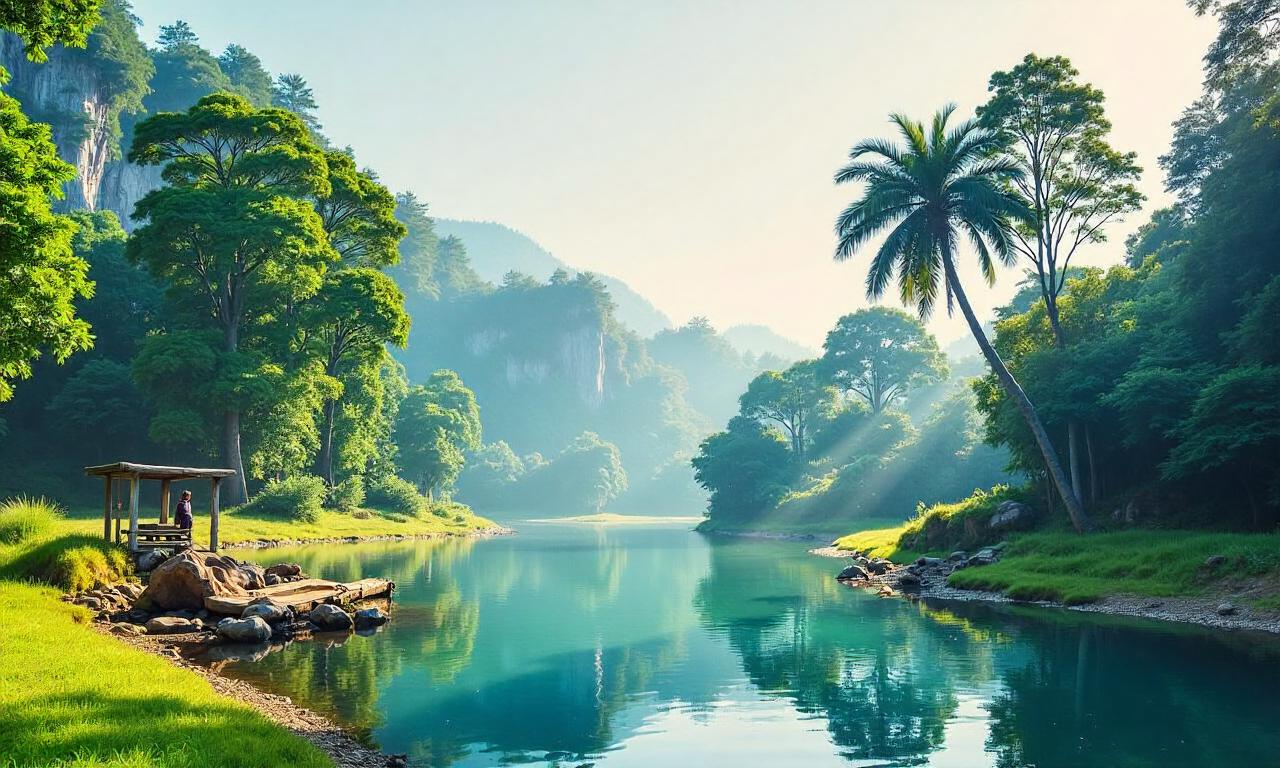
In today’s world, where climate change and resource depletion are pressing global challenges, the benefits of environmental conservation have never been more critical. As human activities continue to disrupt natural ecosystems, it’s essential to recognize how protecting the environment can safeguard not only wildlife and landscapes but also human well-being and economic stability. From preserving biodiversity to mitigating climate change, the benefits of environmental conservation are vast and far-reaching. This article explores the top benefits of environmental conservation that every individual and organization should prioritize to ensure a sustainable future for generations to come.
Preserving Biodiversity for a Thriving Planet
One of the most important benefits of environmental conservation is the preservation of biodiversity. Biodiversity refers to the variety of life on Earth, encompassing species, ecosystems, and genetic diversity. By protecting natural habitats, we ensure the survival of countless plants, animals, and microorganisms that play vital roles in maintaining ecological balance.
The Importance of Biodiversity
Biodiversity is the cornerstone of healthy ecosystems. Each species contributes uniquely to the environment, whether by pollinating crops, decomposing organic matter, or regulating the climate. For instance, bees and other pollinators are essential for food production, as they help fertilize plants that provide fruits, vegetables, and nuts. Without these species, global food security would face significant threats. Additionally, biodiversity supports natural processes like soil formation, water purification, and carbon sequestration, which are crucial for sustaining life on Earth.
Ecosystem Services and Human Survival
Ecosystem services are the natural benefits provided by the environment that humans rely on daily. These include clean air, fresh water, fertile soil, and climate regulation. When we engage in environmental conservation, we protect these services, ensuring that communities have access to essential resources. For example, forests act as natural water filters, removing pollutants from rivers and lakes, while wetlands help prevent flooding by absorbing excess rainwater. By conserving these ecosystems, we enhance the resilience of our planet against environmental crises.
Threats to Biodiversity and How Conservation Helps
Human activities such as deforestation, overfishing, and urbanization have led to the loss of species at an alarming rate. According to the Intergovernmental Science-Policy Platform on Biodiversity and Ecosystem Services (IPBES), one million species are at risk of extinction due to habitat destruction and pollution. Environmental conservation efforts, such as establishing protected areas, restoring degraded lands, and enforcing sustainable practices, can reverse these trends. These actions not only protect species but also maintain the intricate web of life that supports agriculture, medicine, and recreation.
Long-Term Impacts of Biodiversity Loss
The consequences of biodiversity loss extend far beyond the disappearance of individual species. A decline in biodiversity can disrupt food chains, leading to imbalances in ecosystems and affecting the availability of resources for humans. For example, the loss of keystone species—like wolves or bees—can have cascading effects on entire habitats. By prioritizing the benefits of environmental conservation, we invest in the long-term health of our planet and its ability to sustain life.
Climate Regulation: Stabilizing the Earth’s Systems
Another key benefit of environmental conservation is its role in climate regulation. Natural ecosystems act as carbon sinks, absorbing and storing atmospheric carbon dioxide, which is a major contributor to global warming. By preserving forests, oceans, and wetlands, we can reduce greenhouse gas emissions and mitigate the impacts of climate change.
Mitigating Climate Change Through Conservation
Climate change is one of the most urgent challenges facing humanity today. Rising temperatures, extreme weather events, and melting ice caps are all linked to human-induced greenhouse gas emissions. Environmental conservation helps combat these effects by maintaining and restoring natural systems that regulate the climate. For example, forests store significant amounts of carbon, preventing it from entering the atmosphere. When forests are cut down, this stored carbon is released, exacerbating global warming. Conserving and reforesting these areas can reduce the rate of climate change and create a more stable environment for future generations.
The Role of Oceans in Climate Stability
Oceans cover over 70% of the Earth’s surface and play a critical role in regulating the climate. They absorb vast quantities of carbon dioxide and heat, helping to stabilize global temperatures. However, ocean acidification and warming are threatening marine biodiversity and disrupting weather patterns. Environmental conservation efforts, such as protecting coral reefs and reducing plastic waste, can preserve the ocean’s ability to act as a climate buffer. These actions not only protect marine life but also safeguard coastal communities from the effects of rising sea levels and storm surges.
Sustainable Practices for Climate Resilience
Conservation isn’t just about preserving nature—it’s also about promoting sustainable practices that reduce human impact on the climate. For instance, renewable energy sources like solar and wind power rely on the integrity of natural ecosystems. By protecting land and water resources, we ensure that these renewable energy systems can operate efficiently. Additionally, agroforestry and permaculture practices integrate trees into agricultural landscapes, enhancing carbon sequestration while supporting food production. These methods demonstrate how the benefits of environmental conservation can align with economic development and climate resilience.
Long-Term Climate Benefits for Future Generations
The long-term benefits of environmental conservation are undeniable. By protecting forests, oceans, and other ecosystems, we create a foundation for climate stability that will benefit future generations. For example, reducing deforestation helps maintain the Earth’s ability to regulate carbon levels, while preserving wetlands can buffer against floods and droughts. These eco-friendly solutions not only address immediate environmental challenges but also ensure a livable planet for centuries to come.
Air and Water Quality: Enhancing Human Health
The benefits of environmental conservation also extend to improving air and water quality, which are fundamental to human health. Clean air and water are essential for sustaining life, and their degradation has far-reaching consequences for communities around the world.
Cleaner Air for Better Health
Air pollution is a major public health issue, contributing to respiratory diseases, cardiovascular problems, and premature deaths. Sources of air pollution include industrial emissions, vehicle exhaust, and deforestation. Environmental conservation efforts, such as planting trees and reducing fossil fuel reliance, can significantly improve air quality. Trees absorb pollutants and release oxygen, while renewable energy transitions reduce the release of harmful greenhouse gases. These environmental protections directly benefit human health by minimizing exposure to toxic air.
Protecting Water Sources for Communities
Water is a basic human necessity, yet contamination and scarcity are growing concerns in many regions. Industrial runoff, agricultural pesticides, and plastic waste are polluting rivers, lakes, and oceans, threatening aquatic life and human consumption. By implementing water conservation strategies, such as reducing plastic use and protecting wetlands, we can ensure the availability of clean water for drinking, agriculture, and industry. These benefits of environmental conservation are especially crucial for communities in arid regions or those facing water shortages due to climate change.
Preventing Pollution Spread Through Conservation
Environmental conservation also plays a crucial role in preventing the spread of pollution. For example, protecting forests and grasslands helps filter water and reduce soil erosion, which can contaminate water sources. Similarly, reducing urban sprawl preserves natural barriers that mitigate the spread of air pollutants. These eco-friendly measures not only improve local conditions but also reduce the risk of pollution-related diseases on a global scale.
Economic and Social Impacts of Clean Air and Water
The benefits of environmental conservation extend beyond health; they also have economic and social implications. Clean air and water can boost productivity by reducing healthcare costs and improving quality of life. For instance, communities with access to clean water are less likely to suffer from waterborne diseases, leading to lower medical expenses. Similarly, reducing air pollution can increase workforce efficiency by minimizing sick days and enhancing mental well-being. These practical benefits underscore the importance of environmental conservation in creating a healthier, more sustainable society.
Economic Benefits: A Sustainable Future for Businesses
Environmental conservation is not just a moral obligation—it’s also an economic opportunity. By protecting natural resources, we can create long-term financial benefits for businesses, governments, and individuals.
Sustainable Resource Management
The benefits of environmental conservation include more sustainable resource management, which reduces waste and lowers operational costs. For example, conserving water resources can cut down on expenses for industries that rely heavily on water, such as agriculture, manufacturing, and energy production. Similarly, reducing energy consumption through conservation practices can lower utility bills and increase profitability. These eco-friendly approaches not only benefit the environment but also enhance business efficiency.
Cost Savings from Conservation Efforts
Conservation efforts often lead to cost savings in the long run. For instance, investing in renewable energy infrastructure can reduce dependence on fossil fuels, which are subject to price fluctuations and supply chain disruptions. Additionally, protecting forests and soil can prevent costly environmental disasters, such as oil spills or floods, which can damage ecosystems and result in millions in recovery expenses. These financial benefits of environmental conservation make a strong case for adopting green practices in both public and private sectors.
Boosting Tourism and Industry
The benefits of environmental conservation also include boosting tourism and local industries. Natural landscapes, such as forests, mountains, and coastlines, attract millions of tourists annually, contributing to local economies. By preserving these areas, communities can sustain tourism revenue and create jobs in eco-tourism and conservation-related activities. Furthermore, conserving agricultural lands ensures food security, which is vital for supporting local economies. These practical applications of conservation highlight its economic value.
Long-Term Financial Stability Through Conservation
Investing in environmental conservation can ensure long-term financial stability for businesses and governments. For example, companies that adopt green technologies often see increased market share and customer loyalty, as more people prioritize sustainable products and services. Additionally, governments that invest in conservation can avoid costly interventions to address environmental crises, such as cleaning up polluted waterways or rebuilding infrastructure damaged by climate change. These economic advantages reinforce the importance of environmental conservation in shaping a resilient and prosperous future.
Conclusion
In conclusion, the benefits of environmental conservation are both numerous and essential. From preserving biodiversity and regulating the climate to improving air and water quality and enhancing economic stability, conservation efforts offer solutions to some of the most pressing challenges of our time. These environmental protections not only safeguard the planet for future generations but also improve human health, reduce costs, and foster sustainable development. By recognizing the key benefits of environmental conservation, we can take meaningful action to protect the fragile ecosystems that sustain life on Earth. Whether through individual choices or collective efforts, every step toward conservation contributes to a healthier, more resilient world. It’s time to embrace the long-term advantages of environmental conservation and commit to a greener future for all.
