
How Conservation Efforts Are Saving Endangered Species
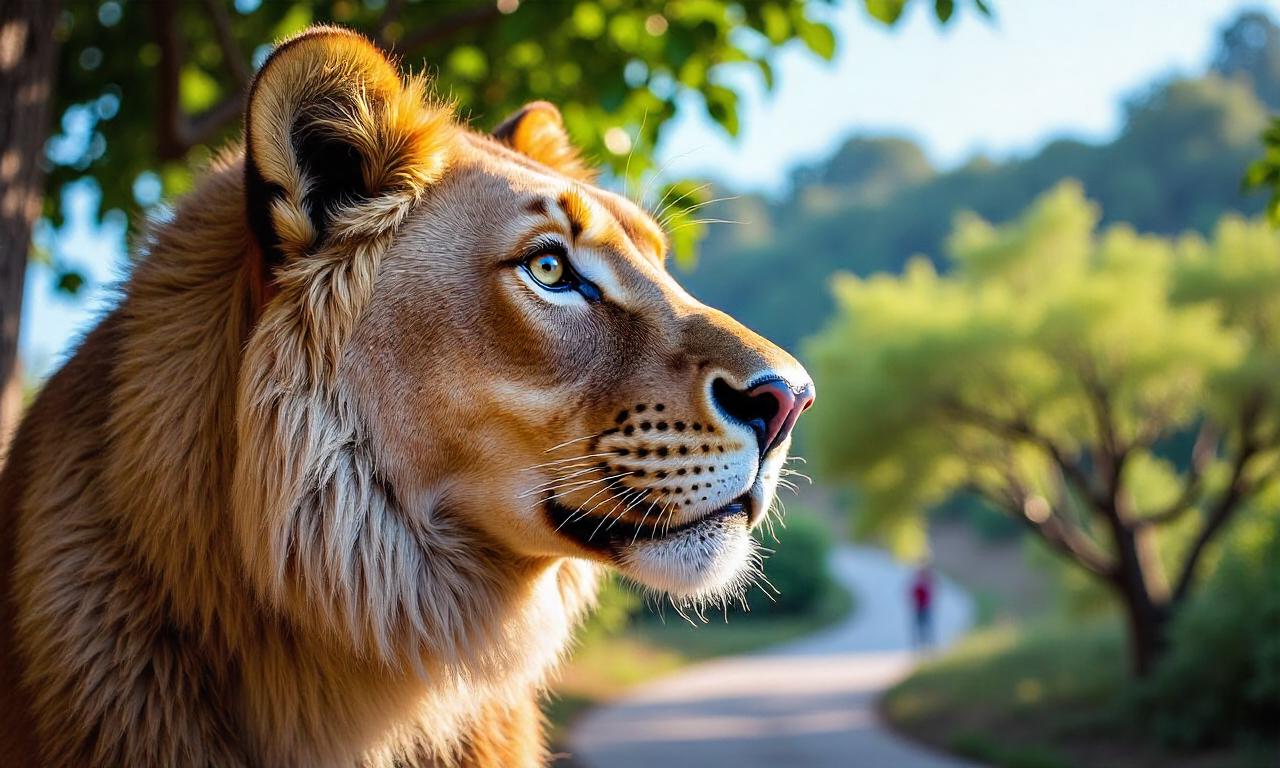
In the face of rapid environmental changes and human activities, endangered species face an ever-growing risk of extinction. However, conservation efforts for endangered species are playing a pivotal role in reversing these trends. Through a combination of scientific research, policy implementation, and community engagement, global initiatives have successfully protected and revitalized populations of animals and plants once thought to be on the brink of disappearance. This article explores the key strategies behind these conservation efforts, highlighting how they are creating a positive impact on biodiversity and ensuring the survival of our planet’s most vulnerable creatures.
The Role of Habitat Protection in Conservation Efforts
Creating and Maintaining Protected Areas
One of the most critical conservation efforts for endangered species is the establishment of protected areas. These are designated zones where human activities are restricted to preserve ecosystems and the species that inhabit them. National parks, wildlife reserves, and marine protected areas are examples of such efforts, serving as safe havens for endangered animals. By protecting natural habitats, these areas provide essential breeding grounds, food sources, and shelter, allowing species to thrive without the pressures of deforestation, urbanization, or pollution. Protected areas are not just about saving individual species; they are about maintaining entire ecosystems. For instance, the creation of Amur tiger reserves in Russia and China has significantly increased the population of this majestic big cat, which was once critically endangered. These reserves also support other species like the Amur leopard and Asian black bear, showcasing the broader benefits of habitat preservation.
Reforestation and Ecosystem Restoration
Deforestation and habitat degradation are major threats to endangered species, but conservation efforts for endangered species are addressing this issue through reforestation and ecosystem restoration projects. By replanting native trees and restoring degraded lands, these initiatives help to rebuild the habitats that many animals rely on. For example, in Costa Rica, reforestation programs have led to the recovery of jaguar and tapir populations, which were severely impacted by habitat loss. Ecosystem restoration also involves reintroducing native species to areas where they have been absent for years. The California condor program, which began in the 1980s, is a prime example. By breeding condors in captivity and releasing them into the wild, conservation efforts have brought their numbers from just 27 individuals to over 500 today. Such projects demonstrate how restoring natural environments can directly aid in the recovery of endangered species.
Combating Poaching and Illegal Wildlife Trade
Poaching and illegal wildlife trade remain significant challenges for many endangered species, but conservation efforts for endangered species are taking proactive steps to combat these threats. Governments and NGOs have implemented stricter anti-poaching laws, increased patrols, and used advanced technologies like GPS tracking to monitor endangered animals in real time.
In Africa, conservation efforts have led to the establishment of anti-poaching units and community-based conservation programs that provide local populations with incentives to protect wildlife. The black rhinoceros, once heavily hunted for their horns, has seen a remarkable recovery in some regions due to these measures. By addressing the root causes of poaching—such as poverty and demand for ivory or fur—conservation efforts are not only protecting individual animals but also fostering sustainable coexistence between humans and wildlife.
Legal Frameworks and Policy Implementation
Enforcing Endangered Species Laws
Conservation efforts for endangered species are often supported by robust legal frameworks that provide a structured approach to protecting biodiversity. Laws like the Endangered Species Act (ESA) in the United States, the Convention on International Trade in Endangered Species of Wild Fauna and Flora (CITES), and the EU Birds and Habitats Directives are examples of policies that have had a measurable impact on species recovery.
These laws mandate the protection of endangered species by designating them as protected species, which can lead to restrictions on hunting, logging, and land development. For example, the ESA has been instrumental in the recovery of the gray wolf and bald eagle in the U.S., with both species being removed from the endangered list in recent years. By legally recognizing the value of endangered species, governments can allocate resources and enforce regulations that safeguard their survival.
International Collaboration and Agreements
Global conservation efforts often require international collaboration, as many endangered species migrate across borders or face threats on a worldwide scale. International agreements such as CITES and the Biodiversity Convention have created a unified front to combat illegal wildlife trade and promote conservation. CITES, for instance, regulates the trade of endangered species by requiring permits for their export, ensuring that their populations are not depleted faster than they can recover. Collaborative efforts between countries are also critical in protecting endangered species. The African Elephant Action Plan, coordinated by the International Union for Conservation of Nature (IUCN), is a successful example. By uniting governments, conservationists, and local communities, this initiative has helped stabilize elephant populations in regions like Kenya and Tanzania. Such partnerships highlight the importance of conservation efforts in addressing transboundary challenges.
Funding and Resource Allocation
Conservation efforts for endangered species require substantial funding and resources to be effective. Governments, private organizations, and international bodies have invested in conservation programs through grants, research initiatives, and habitat restoration projects. For example, the World Wildlife Fund (WWF) and Rainforest Alliance have raised millions of dollars to protect endangered species in the Amazon rainforest and other critical ecosystems. Resource allocation is also a key aspect of these conservation efforts. By prioritizing endangered species in national budgets, countries can fund monitoring programs, anti-poaching operations, and habitat management. In Australia, the government has allocated funds to protect the koala, which faces threats from habitat loss and climate change. These investments demonstrate how conservation efforts can be sustained through strategic financial planning and public support.

Community Involvement and Education
Engaging Local Communities in Conservation
Conservation efforts for endangered species are increasingly recognizing the importance of involving local communities in their success. Many endangered species live in regions where human activities, such as agriculture and logging, directly impact their survival. By working with local populations, conservation efforts can create a sense of ownership and responsibility, leading to more sustainable outcomes.
In Kenya, the Samburu National Reserve has successfully engaged Maasai communities in protecting the Grevy’s zebra and eland. Through community-based conservation programs, local people are provided with employment opportunities in tourism and wildlife monitoring, which reduces their reliance on activities that harm the environment. This approach not only protects endangered species but also improves the livelihoods of local communities, creating a win-win situation for both people and wildlife.
Education and Awareness Campaigns
Raising awareness about the importance of endangered species is a crucial part of conservation efforts. Educational campaigns help to inform the public about the ecological roles of these species and the consequences of their extinction. For example, the Sea Turtle Conservancy has launched initiatives to educate beachgoers about the threats facing sea turtles, such as plastic pollution and habitat destruction. These efforts have led to the adoption of eco-friendly practices by communities, reducing the impact on marine life. School programs and media campaigns are also effective tools in promoting conservation. In India, the Project Tiger initiative has incorporated educational modules in schools to teach children about the importance of tigers in maintaining ecosystem balance. By fostering a culture of conservation from a young age, these programs ensure that future generations are equipped to continue protecting endangered species.
Promoting Sustainable Practices
Conservation efforts for endangered species often go hand-in-hand with promoting sustainable practices that reduce human-wildlife conflict. For example, in Indonesia, local communities are being trained to use sustainable fishing methods to protect sea turtles and coral reefs. These practices not only help endangered species but also ensure that natural resources are available for future use. Sustainable agriculture is another area where conservation efforts are making an impact. In Brazil, farmers are adopting agroforestry techniques to reduce deforestation and provide habitats for jaguars and tapirs. By integrating conservation into daily practices, these efforts demonstrate how endangered species can be protected without compromising human needs.
Technological Innovations in Conservation
Advanced Monitoring and Tracking Technologies
Technology has revolutionized conservation efforts for endangered species, enabling more accurate and efficient monitoring of their populations. GPS tracking and radio collars are commonly used to follow the movements of animals, providing valuable data on their habitats, migration patterns, and threats. For instance, GPS tracking has been instrumental in studying the Snow Leopard in Central Asia, allowing conservationists to identify critical areas for protection. Drones and camera traps are also being employed to monitor wildlife in remote areas. These tools help reduce the risk for researchers and provide real-time information on species behavior. In Patagonia, drones have been used to track Andean condors, which are vulnerable to poisoning and habitat loss. Such technological innovations enhance the effectiveness of conservation efforts, ensuring that endangered species receive the attention they need.
Genetic Research and Breeding Programs
Genetic research plays a vital role in conservation efforts for endangered species, particularly in species with small and isolated populations. By analyzing genetic diversity, scientists can identify the best strategies for breeding and reintroducing endangered animals into the wild. For example, genetic research on the California condor has helped breeders select compatible pairs to maximize genetic diversity and improve survival rates. Breeding programs are another key component of these conservation efforts. These programs provide a safe environment for endangered species to reproduce and thrive, often in captivity before being released into the wild. The Panda Conservation Program in China is a notable success, with conservation efforts leading to the birth of over 600 giant pandas in captivity since the 1980s. By combining genetic research with hands-on breeding, these efforts help endangered species regain their numbers.
Using Technology to Combat Threats
In addition to monitoring and breeding, technology is being used to combat other threats to endangered species. Artificial intelligence (AI) and machine learning are now being employed to analyze data from camera traps and identify poaching activities. In Africa, AI-powered systems have been developed to detect poaching events in real time, allowing rangers to respond quickly and protect vulnerable animals. Virtual reality (VR) is also being used to educate people about the importance of endangered species. By immersing users in the habitats of these animals, VR programs help raise awareness and foster empathy. For example, a VR initiative in the United Kingdom has allowed people to experience the life of a red panda in the wild, encouraging support for conservation efforts. These technological tools are not only enhancing conservation efforts but also making them more accessible and engaging for the public.
Conclusion
The success of conservation efforts for endangered species is a testament to the power of collective action and innovation. From habitat protection to legal frameworks, and from community involvement to technological advancements, these efforts have created a multifaceted approach to saving biodiversity. Each strategy plays a unique role in addressing the challenges faced by endangered species, ensuring their survival for future generations.
By investing in conservation efforts, governments, organizations, and individuals are not only protecting animals and plants but also preserving the ecological balance that sustains life on Earth. The long-term benefits of these efforts include healthier ecosystems, increased biodiversity, and the potential for endangered species to rebound. As the world continues to face environmental challenges, the importance of conservation efforts for endangered species cannot be overstated. They are a vital part of the solution, and with continued support, the future of our planet’s wildlife can be secured.
