
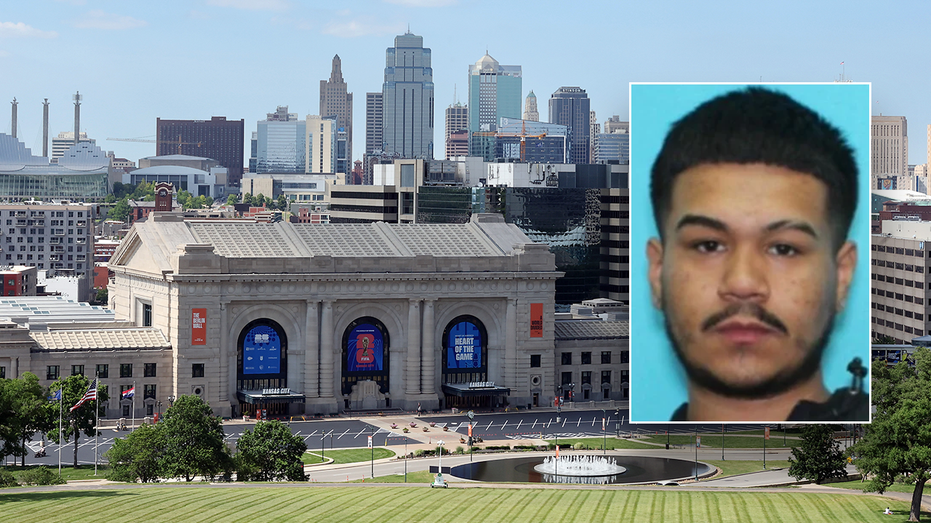
Manhunt Unfolds as Kansas City Shooting Spree Suspect Evades Capture Near World Cup Venue
Manhunt underway for Kansas City shooting – A coordinated effort by multiple law enforcement agencies is currently in progress to locate Oscar Sanchez-Munoz, a 22-year-old accused of a violent cross-state crime spree. The suspect is linked to a series of alleged highway shootings that occurred near the FIFA World Cup venue at Arrowhead Stadium, as well as a high-profile confrontation with police that culminated in a fiery standoff. The FBI’s Kansas City field office has activated a $25,000 reward for information leading to his arrest and conviction, emphasizing the urgency of the situation.
Physical Description and Criminal Background
Authorities have provided a detailed physical profile of Sanchez-Munoz, describing him as a white and Hispanic individual standing approximately 5 feet 8 inches tall. He weighs around 184 pounds, has brown hair, and brown eyes, with a tattoo on his right forearm. Beyond the shooting spree, he faces charges of criminal discharge of a firearm and an outstanding warrant in Wyandotte County, Kansas, for aggravated assault, which carries a $100,000 bond. These charges underscore his involvement in multiple violent incidents across both Kansas and Missouri.
The search for Sanchez-Munoz began after he allegedly fired at a car on June 11 in Wyandotte County. This act triggered a state warrant for his arrest, which was issued Tuesday. The FBI and local police departments are collaborating to track his movements, with a particular focus on areas near the World Cup matches. The suspect’s alleged connection to the tournament has raised concerns about public safety, especially as several events are being held at Arrowhead Stadium.
Violent Incidents and Casualties
On Tuesday night, Kansas City, Missouri, became the site of a dramatic sequence of events when Sanchez-Munoz was reportedly involved in five shootings along Interstate 70. The attacks occurred just miles from the World Cup venue, where fans were gathering for matches between Argentina and Algeria. One person was killed during the incident, while another suffered critical injuries. Multiple others, including an Uber driver who was shot in the leg, are expected to recover fully from their wounds.
Following the shootings, law enforcement initiated an overnight pursuit, leading to a tense standoff at a residence in Independence, Missouri. The confrontation escalated when the house caught fire, forcing investigators to secure the area and conduct a thorough search of the damaged property. Despite the chaos, fire personnel managed to extinguish the flames by Wednesday morning, allowing for a comprehensive examination of the scene. However, Sanchez-Munoz managed to evade capture during this operation.
The FBI and Kansas City Police Department (KCPD) have confirmed that the suspect’s vehicle was recovered from the burned location, providing crucial evidence for their investigation. While the exact motive behind the crime spree remains unclear, authorities are urging the public to remain alert. “Sanchez-Munoz should be considered
armed and dangerous
,” stated KCPD officials, highlighting the threat he poses to the community.
Multi-State Pursuit and Dramatic Chase
The pursuit of Sanchez-Munoz has spanned both Kansas and Missouri, demonstrating the scale of the operation. The multi-state police chase reached its climax when a dramatic collision occurred, resulting in the death of three individuals. The incident was captured on camera, showcasing the intensity of the confrontation as law enforcement attempted to apprehend the suspect. The video footage has since been used as a key resource in analyzing his movements and tactics.
Following the collision, investigators have been working closely with K-9 units and Missouri State Fire Marshals to search the affected area. The recovered vehicle is believed to be directly linked to the Tuesday night shootings, and its examination may provide further insights into the suspect’s actions. While no specific motives have been disclosed as of Saturday afternoon, the FBI is optimistic that the reward will incentivize the public to come forward with information.
Public Appeal and Community Vigilance
Authorities are intensifying their call for public assistance, encouraging residents to report any sightings of Sanchez-Munoz. “If you spot him, call 911 immediately,” said a KCPD spokesperson, stressing the importance of quick action. Citizens are also being asked to submit tips through the local crime stoppers website, kccrimestoppers.com, or contact the FBI’s Kansas City office directly. The combined efforts of the agencies and the community are seen as critical to resolving the case.
As the investigation continues, the focus remains on locating the suspect before he can strike again. The FBI and KCPD have emphasized that Sanchez-Munoz is a key figure in the recent surge of violence, which has drawn attention not only to the local law enforcement but also to the broader implications for public safety during high-profile events. The World Cup venue, located nearby, has become a focal point for both the suspect’s alleged activities and the heightened security measures in place.
Details of the suspect’s alleged actions have been pieced together through witness accounts and forensic analysis. The cross-state nature of the crime spree has complicated the search, as it involves multiple jurisdictions and agencies. However, the FBI’s reward program and the collaborative efforts of local police are believed to be the primary tools in narrowing down his whereabouts. The timeline of events, from the initial shooting on June 11 to the standoff and collision, reveals a pattern of calculated aggression that has left the community on edge.
Sanchez-Munoz’s presence near the World Cup venue has sparked fears of potential targets being chosen for their proximity to the event. While the specific connection between the suspect and the tournament remains under investigation, the timing of the incidents has raised questions about whether the World Cup served as a backdrop for his criminal activities. Authorities are also considering the possibility that the suspect’s actions were premeditated, with the World Cup venue acting as a strategic location for his attacks.
As the manhunt progresses, the FBI and KCPD have maintained a steady flow of updates to the public, ensuring transparency in their efforts. The reward for information has been a central part of this strategy, with officials hoping that the financial incentive will lead to breakthroughs in the case. Meanwhile, the community is being reminded of the potential danger posed by the suspect, with repeated calls for vigilance and swift reporting of any suspicious activity.
The situation has also highlighted the importance of cross-state cooperation in addressing criminal threats. The collaboration between Kansas and Missouri law enforcement agencies demonstrates a unified approach to ensuring the suspect does not escape justice. As the investigation unfolds, the focus remains on gathering evidence and identifying any links between the suspect’s actions and the broader context of the World Cup events. The outcome of this manhunt will not only determine the fate of Sanchez-Munoz but also provide clarity on the potential risks associated with hosting international sporting events in densely populated areas.