
US Military Conducts Another Strike on Narco-Trafficking Vessel in Caribbean, Killing Two
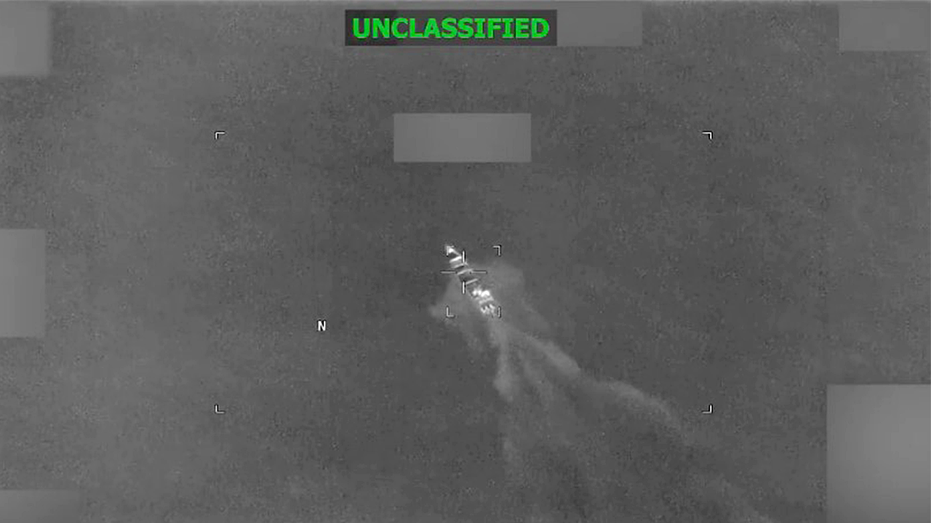
US military conducts strike on another – On Sunday, the U.S. military revealed a targeted strike against a vessel in the Caribbean, which was believed to be involved in drug trafficking operations. The attack, executed by the Southern Command, resulted in the deaths of two individuals, while six male survivors were rescued. According to the military, the vessel was operating along established routes used by narco-traffickers, making it a prime target for intervention. The Southern Command attributed the action to the directive of General Francis L. Donovan, a Marine Corps general who leads the command.
The strike marked the latest in a series of military actions aimed at dismantling drug trafficking networks. The Trump administration has described these operations as efforts to eliminate suspected narco-terrorists, a designation that has sparked debate among lawmakers and analysts. Since September, these strikes have reportedly led to the deaths of over 200 people, raising questions about the scope and justification of such campaigns. The Pentagon has remained tight-lipped about the identities of those killed, as well as any evidence of narcotics aboard the targeted vessels.
While the military cited intelligence to justify the attack, critics argue that the lack of transparency could undermine the legitimacy of these operations. The Southern Command emphasized that the vessel was engaged in narco-trafficking activities, but without concrete proof, some remain skeptical. This secrecy has drawn scrutiny from political opponents, including Democrats and a segment of Republicans, who have questioned the military’s approach to targeting individuals without prior judicial review.
Senator Rand Paul Criticizes GOP Colleagues Over Caribbean Strikes
Senator Rand Paul, a Republican from Kentucky, has been vocal in his criticism of the administration’s strategy in the Caribbean. In a January statement, he challenged his fellow Republicans, who he claimed supported these strikes despite doubts about their accuracy. “I look at my colleagues who say they’re pro-life, and they value God’s inspiration in life, but they don’t give a s—t about these people in the boats,” Paul said. He questioned whether the individuals on the vessels were truly dangerous, suggesting they might be innocent civilians from Venezuela or Colombia.
“Are they terrible people in the boats? I don’t know. They’re probably poor people in Venezuela and Colombia,” Paul added. His remarks highlight concerns about the potential for collateral damage and the absence of due process in these operations. Paul previously cited Coast Guard statistics to underscore his argument, pointing out that a significant portion of vessels boarded for suspected drug trafficking are ultimately found to be innocent. This data has been used to question the effectiveness and fairness of the military’s approach.
Paul’s criticism reflects a broader debate over the use of lethal force in the Caribbean. While the administration frames these strikes as necessary to combat narco-trafficking, opponents argue that they risk targeting ordinary citizens. The senator’s comments also resonate with human rights organizations, which have condemned the attacks as “extrajudicial killings.” These groups emphasize the need for more thorough investigations and accountability before launching such operations.
The U.S. Southern Command has maintained that the strikes are conducted with precision, citing intelligence gathered through surveillance and tracking systems. However, the absence of evidence linking the vessel to terrorism or direct involvement in drug trafficking has left some wondering about the validity of the military’s claims. The administration’s rationale centers on the idea that these operations are part of a broader strategy to disrupt drug supply chains and combat organized crime in the region.
Despite the stated goals, the strikes have faced growing opposition from both sides of the political spectrum. Democrats have raised concerns about the lack of oversight, while some Republicans have expressed reservations about the moral implications of targeting individuals without clear proof. This divide has intensified in recent months, with lawmakers calling for greater transparency and a review of the criteria used to justify these attacks.
The Pentagon’s decision to withhold information about the identities of those killed has fueled speculation. Without releasing names or providing evidence of drugs on board, the military’s actions appear shrouded in secrecy. Critics argue that this lack of disclosure could lead to accusations of overreach, particularly if innocent individuals are mistakenly targeted. However, the Southern Command maintains that the intelligence supporting these strikes is robust and actionable.
As the number of casualties in these operations continues to rise, the debate over their necessity and legality is likely to persist. The U.S. military’s emphasis on swift action to combat narco-trafficking contrasts with calls for a more measured approach that ensures the rights of those involved are protected. This tension underscores the challenges of balancing national security objectives with humanitarian considerations in the Caribbean.