
Climate Change Impacts on Health: Risks and Real Effects
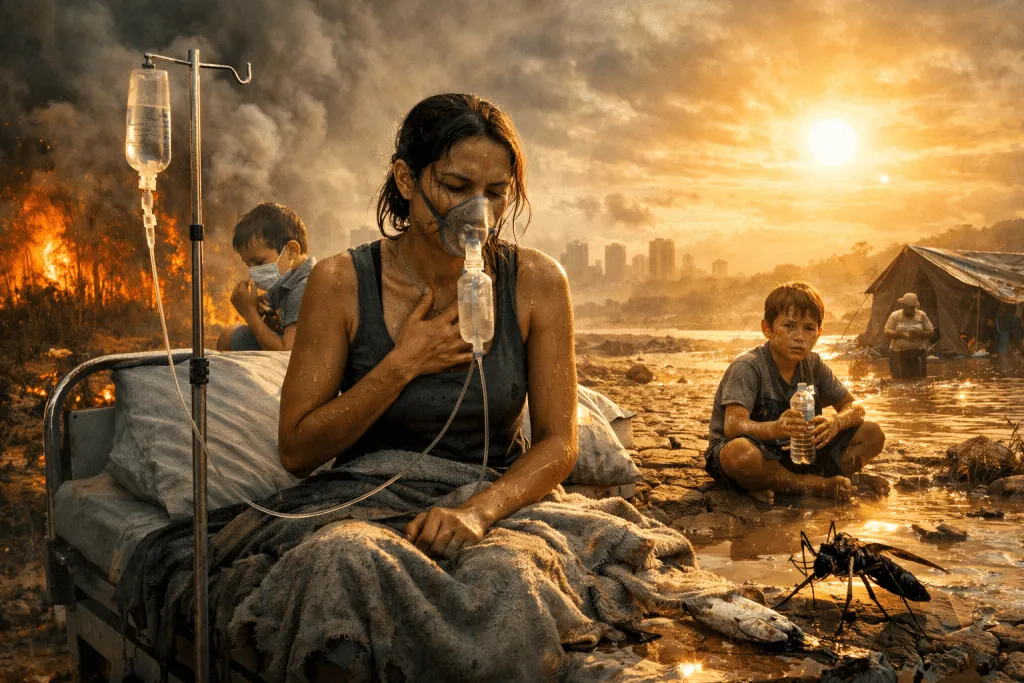
Climate change is no longer a distant environmental issue; it is a direct and growing threat to human well-being. Climate change impacts on health are visible in rising temperatures, shifting disease patterns, worsening air quality, and increased frequency of extreme weather events. These changes affect physical and mental health across all age groups. Understanding the risks and real effects is essential for individuals, communities, and policymakers.
Rising Temperatures and Heat-Related Illness
One of the most immediate climate change impacts on health is the increase in global temperatures. More frequent and intense heatwaves expose populations to dangerous levels of heat stress. This leads to dehydration, heat exhaustion, and potentially fatal heatstroke.
Elderly individuals, children, outdoor workers, and people with chronic illnesses are especially vulnerable. Prolonged heat can also worsen cardiovascular and respiratory diseases. Hospitals often report spikes in emergency visits during extreme heat events.
Urban areas face additional risks due to the urban heat island effect, where concrete and asphalt trap heat. Limited green spaces and high population density increase exposure. Without adequate cooling systems and public health planning, heat-related mortality continues to rise.
Air Quality and Respiratory Disorders
Climate change significantly influences air pollution levels. Higher temperatures contribute to the formation of ground-level ozone, a harmful pollutant that irritates the lungs. Wildfires, intensified by drought and heat, release large amounts of smoke and fine particulate matter into the air.
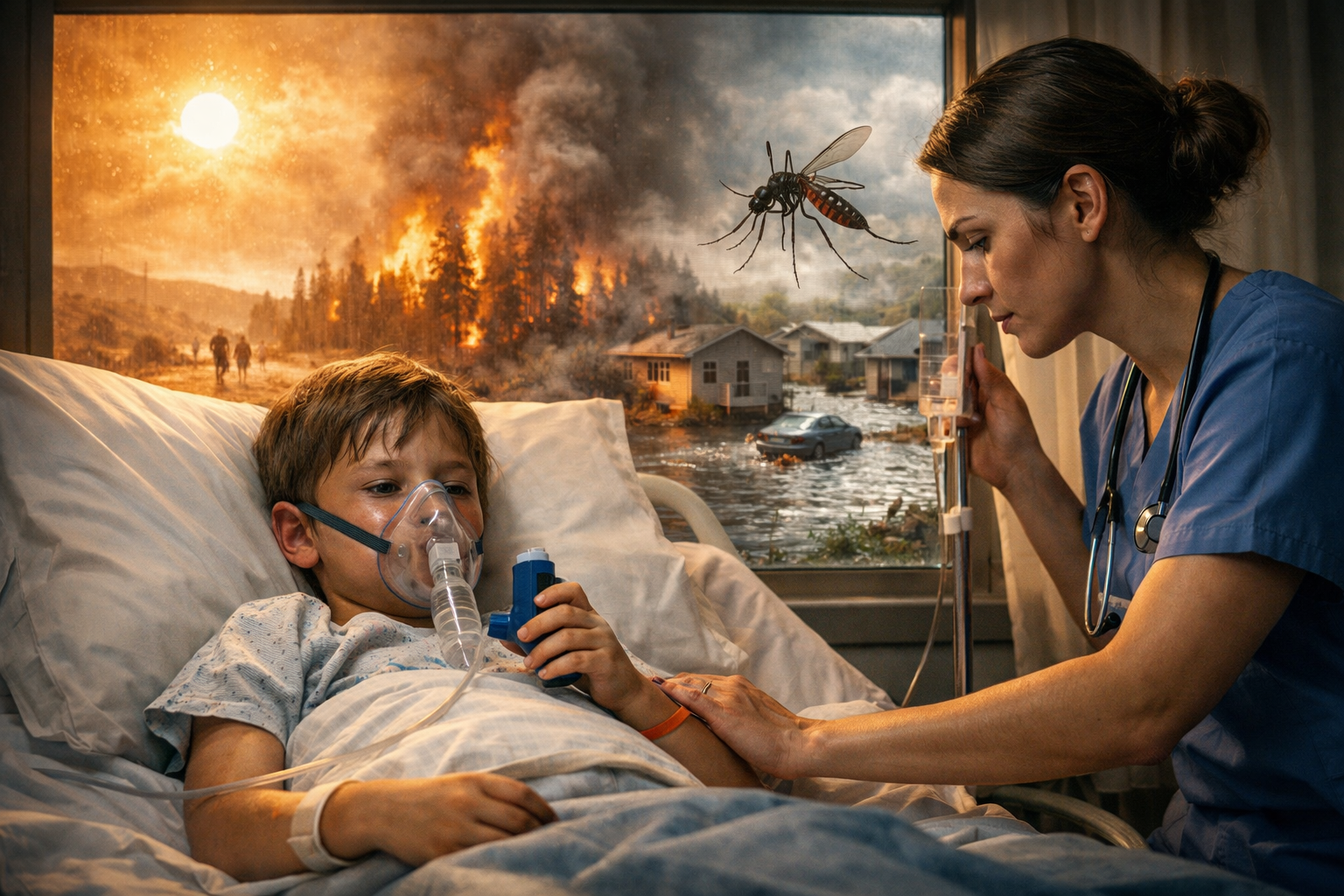
Poor air quality aggravates asthma, chronic obstructive pulmonary disease (COPD), and other respiratory conditions. Long-term exposure to polluted air increases the risk of heart disease and lung cancer. Children and people living in urban or wildfire-prone areas are particularly at risk.
Pollen seasons are also becoming longer and more intense due to warmer temperatures and increased carbon dioxide levels. This results in higher rates of allergies and allergic asthma. These respiratory effects illustrate how climate change impacts on health extend beyond heat alone.
Spread of Infectious Diseases
Changing climate patterns alter the habitats of disease-carrying organisms. Mosquitoes, ticks, and other vectors expand into new geographic areas as temperatures rise. This increases the spread of diseases such as malaria, dengue fever, Zika virus, and Lyme disease.
Warmer conditions can also accelerate the reproduction and biting rates of mosquitoes. As a result, transmission seasons become longer and more intense. Regions that previously had minimal exposure to certain diseases may now face new public health challenges.
Waterborne diseases are another concern. Heavy rainfall and flooding can contaminate drinking water supplies with bacteria, viruses, and parasites. Inadequate sanitation systems worsen the risk, particularly in low-income communities.
These developments demonstrate that climate change impacts on health are not limited to direct environmental exposure but also include shifts in infectious disease dynamics.
Extreme Weather Events and Physical Injury
Climate change is linked to more frequent and severe extreme weather events, including hurricanes, floods, droughts, and wildfires. These events cause immediate physical harm through injuries, burns, and fatalities. Emergency services often become overwhelmed during large-scale disasters.
Flooding can lead to water contamination and mold growth in homes, increasing respiratory and skin problems. Wildfires not only cause burns and smoke inhalation but also displace entire communities. Droughts reduce water availability and compromise sanitation, increasing the risk of disease.
Healthcare infrastructure is also vulnerable. Hospitals and clinics may be damaged or lose power during extreme events, limiting access to medical care. This disruption amplifies the overall climate change impacts on health, especially for people who depend on regular treatment.
Food Security and Malnutrition
Agricultural systems are highly sensitive to climate variability. Rising temperatures, shifting rainfall patterns, and extreme weather events reduce crop yields in many regions. This affects food availability, quality, and affordability.
Malnutrition can result from reduced access to nutritious food. Children are particularly vulnerable to stunted growth and weakened immune systems. In some areas, higher carbon dioxide levels may reduce the nutrient content of staple crops such as rice and wheat.
Livestock production and fisheries are also affected by heat stress, water scarcity, and ocean warming. These changes disrupt food supply chains and increase prices. The connection between food systems and climate change impacts on health is direct and significant.
Mental Health and Psychological Stress
The psychological effects of climate change are increasingly recognized. Extreme weather events can cause trauma, anxiety, and depression, particularly among survivors who lose homes or loved ones. Repeated exposure to disasters may lead to post-traumatic stress disorder (PTSD).
Long-term environmental changes also create chronic stress. Farmers facing crop failures, communities dealing with rising sea levels, and families forced to relocate experience ongoing uncertainty. This persistent stress can contribute to sleep disorders, substance abuse, and other mental health challenges.
Young people often report eco-anxiety, a sense of fear or helplessness about the future of the planet. Mental health systems must adapt to address these emerging challenges. These psychological dimensions are a critical part of climate change impacts on health.
Vulnerable Populations and Health Inequities
Not all populations are affected equally. Low-income communities often live in areas with higher exposure to pollution, flooding, or extreme heat. Limited access to healthcare and resources increases their vulnerability.
Indigenous populations and small island communities face displacement due to rising sea levels and environmental degradation. People with disabilities or chronic illnesses may struggle to evacuate during disasters. Children and older adults face higher risks from both heat and infectious diseases.
Health inequities intensify as climate risks grow. Addressing climate change impacts on health requires targeted strategies that prioritize vulnerable groups and reduce social disparities.
Conclusion
Climate change impacts on health are diverse, interconnected, and increasingly severe. From heat-related illnesses and respiratory disorders to infectious diseases, food insecurity, and mental health challenges, the effects are already evident worldwide. Protecting public health requires coordinated climate mitigation, adaptation strategies, and resilient healthcare systems. Recognizing these real and measurable risks is the first step toward reducing harm and safeguarding future generations.
FAQ
Q: How does climate change directly affect human health? A: It increases heat-related illnesses, worsens air quality, spreads infectious diseases, and intensifies extreme weather events that cause injury and psychological stress.
Q: Who is most vulnerable to climate change impacts on health? A: Elderly people, children, low-income communities, outdoor workers, and individuals with chronic illnesses face the highest risks.
Q: Can climate change influence mental health? A: Yes, disasters and environmental instability contribute to anxiety, depression, trauma, and long-term psychological stress.
Q: How does climate change affect food security? A: It reduces crop yields, disrupts food supply chains, and can lower the nutritional quality of staple foods, increasing the risk of malnutrition.
Q: Why are infectious diseases linked to climate change? A: Warmer temperatures and changing rainfall patterns expand the habitats of disease-carrying insects and increase water contamination risks.
