
Essential Conservation Effort Guidelines for Beginners to Get Started
Essential Conservation Effort Guidelines for Beginners to Get Started
Conservation efforts are more important than ever in the face of climate change, biodiversity loss, and environmental degradation. If you’re a beginner looking to get involved in conservation work, it can be overwhelming. However, there are practical and essential guidelines that can help you get started on your journey to protect the planet. In this article, we will cover the conservation effort guidelines for beginners, offering a step-by-step approach that anyone can follow, regardless of their prior knowledge.
Understand the Importance of Conservation
Before diving into specific actions, it’s crucial to understand why conservation is so vital. Conservation helps to preserve our natural resources, protect endangered species, and maintain ecological balance. It can also improve air quality, reduce waste, and prevent ecosystem destruction, ensuring that future generations can enjoy the same natural beauty we do today. For beginners, grasping the significance of these efforts is the first step towards meaningful involvement.
Start Small with Everyday Actions
One of the most effective ways to begin your conservation efforts is by incorporating eco-friendly habits into your daily routine. These small actions might seem insignificant on their own, but collectively, they make a substantial impact. For example:
* Reduce, reuse, and recycle: This mantra has been around for a reason. Start by reducing waste, reusing items where possible, and recycling materials like paper, plastic, and metal. * Conserve water and energy: Simple steps like turning off the lights when not in use, taking shorter showers, or using water-efficient appliances can save significant amounts of resources. * Avoid single-use plastics: Choose reusable bags, bottles, and containers. This reduces the demand for plastic production and minimizes plastic waste.
These habits are an easy starting point for beginners and can be integrated into almost every aspect of life.
Get Involved Locally
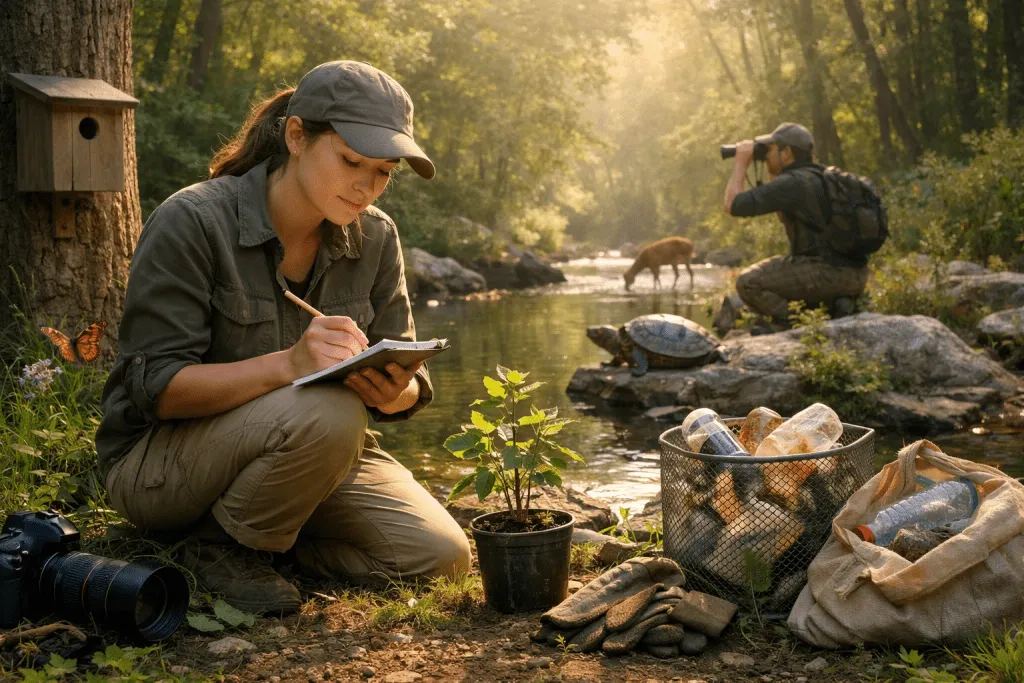
If you’re ready to take your conservation efforts beyond your home, getting involved in local projects is an excellent next step. Many communities have conservation programs that focus on local wildlife, parks, or sustainability projects. Volunteering with these organizations not only helps the environment but also raises awareness about the importance of conservation. Local involvement can include activities like:
* Planting trees and native plants * Cleaning up parks, beaches, or rivers * Supporting local farmers and sustainable agriculture
By working with community groups, you also build connections with like-minded people, which can help you stay motivated and informed.
Support or Partner with Conservation Organizations
If you’re a beginner, it might be difficult to know where to focus your efforts or how to make a more significant impact. Partnering with established conservation organizations can provide you with the tools, resources, and knowledge to contribute effectively. These organizations often have well-developed programs that focus on global, national, and local conservation issues. Some of the largest global organizations include:
* The World Wildlife Fund (WWF) * Greenpeace * The Nature Conservancy
Many organizations also offer educational materials, volunteer opportunities, and even fundraisers that you can participate in. Supporting these groups through donations or even becoming a member can help fund large-scale conservation projects.
Educate Yourself and Others
As you begin your journey, educating yourself on environmental issues is a crucial aspect of conservation. Understanding the problems and challenges faced by ecosystems around the world will allow you to make informed decisions about the actions you take. Reading books, attending seminars, or even following conservation blogs and documentaries can expand your knowledge.
Once you’re well-informed, share your knowledge with others. Spread awareness by talking to family, friends, or even on social media. When people are educated about conservation issues, they are more likely to take action, contributing to a collective impact.
Practice Sustainable Lifestyle Choices
At the heart of conservation efforts is sustainability. The idea behind sustainability is living in a way that does not deplete the planet’s resources, ensuring that future generations can meet their needs. As a beginner, adopting a sustainable lifestyle involves making conscious choices that prioritize the planet over convenience or excess. Key sustainable practices include:
* Sustainable transportation: Walk, bike, or use public transportation when possible. If you need a car, consider an electric or hybrid vehicle. * Eat sustainably: Choose locally grown, organic food that doesn’t rely on harmful agricultural practices. * Support eco-friendly businesses: Purchase products from companies that prioritize sustainability and environmental responsibility.
Living sustainably is a long-term commitment, but each small action can add up to a big difference.
Conclusion
Starting your conservation journey might seem daunting at first, but with these essential conservation effort guidelines for beginners, you can begin to make a positive impact. By starting small with everyday actions, getting involved locally, partnering with conservation organizations, educating yourself, and practicing sustainability, you are contributing to a more sustainable and healthy planet. Remember, every small step matters, and collectively, we can work towards a brighter future for the environment.
FAQ
Q: How can beginners contribute to conservation efforts?
A: Beginners can start by adopting eco-friendly habits like reducing waste, conserving water and energy, and supporting local conservation efforts through volunteering or donations.
Q: What are the best local conservation activities for beginners?
A: Planting trees, cleaning up local parks or beaches, and supporting sustainable agriculture are all great local conservation activities for beginners.
Q: Why is it important to educate myself about conservation?
A: Educating yourself allows you to make informed decisions, spread awareness, and contribute meaningfully to environmental efforts.
Q: How do I know which conservation organizations to support?
A: Look for reputable organizations with clear missions, transparency, and a track record of successful projects. Some well-known ones include WWF and Greenpeace.
Q: Can sustainable living practices make a real difference?
A: Yes, small actions like reducing waste, eating sustainably, and using eco-friendly products can have a significant impact when adopted by many people.
