
10 Simple Sustainable Living Practices to Embrace for a Greener Future
10 Simple Sustainable Living Practices to Embrace for a Greener Future
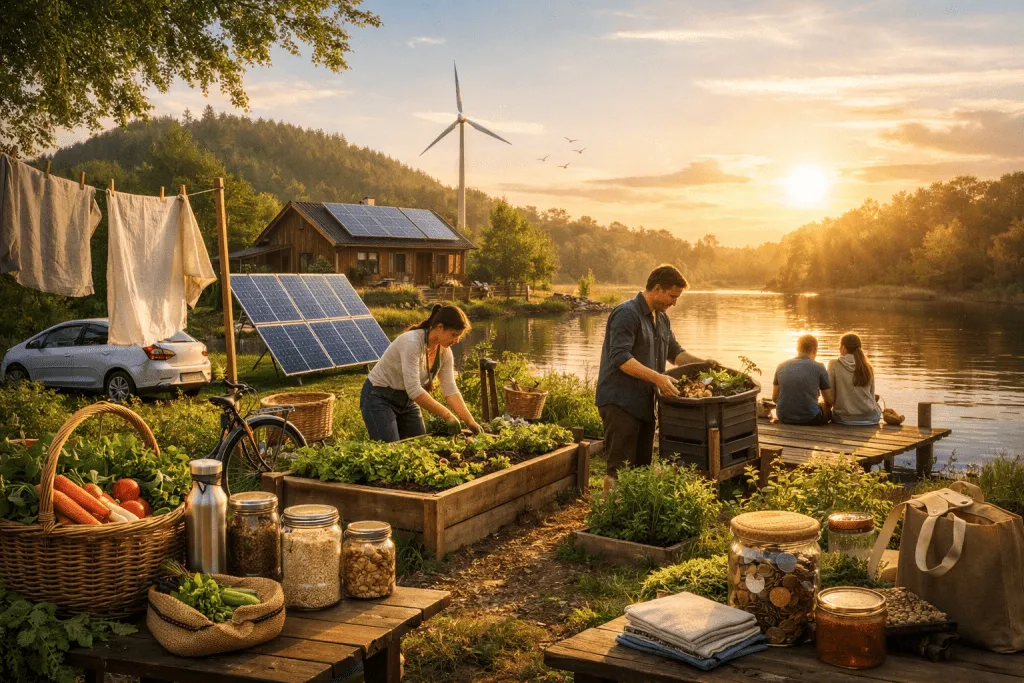
Adopting sustainable living practices is essential in ensuring that future generations can enjoy a planet rich in resources, biodiversity, and natural beauty. As awareness of environmental issues grows, individuals are seeking actionable steps to reduce their ecological footprint. This article highlights ten straightforward yet impactful practices you can adopt to live more sustainably, contributing to a greener future for all.
1. Reduce, Reuse, Recycle
One of the most well-known sustainable living practices is the mantra of “reduce, reuse, recycle.” It is a simple but powerful way to minimize waste and conserve resources. Start by reducing your consumption—buy only what you need and choose products with minimal packaging. Reuse items whenever possible, such as glass jars for storage or old clothes for DIY projects. Recycling should be the last step, but make sure to sort materials correctly to avoid contamination.
2. Conserve Water
Water is a precious resource that many take for granted. Conserving water is an easy yet highly effective way to practice sustainability. Turn off taps when not in use, fix leaks promptly, and invest in water-efficient appliances like low-flow showerheads and toilets. You can also collect rainwater for gardening, reducing the demand on municipal water systems.
3. Choose Renewable Energy
Switching to renewable energy sources is one of the most impactful steps you can take for a sustainable lifestyle. Consider installing solar panels or subscribing to a green energy plan from your utility provider. Solar, wind, and hydroelectric energy are all clean alternatives to fossil fuels, significantly reducing carbon emissions and promoting a healthier environment.
4. Support Local and Sustainable Food Sources
Buying locally grown and sustainably produced food is another key component of sustainable living practices. Support local farmers by shopping at farmers’ markets or joining a community-supported agriculture (CSA) program. Locally produced food requires less energy for transportation and typically uses fewer chemicals, making it a healthier choice for both you and the environment.
5. Opt for Eco-friendly Transportation
Reducing your carbon footprint extends beyond energy consumption in your home. When possible, opt for eco-friendly modes of transportation, such as walking, biking, or using public transit. If you need to drive, consider investing in an electric or hybrid vehicle to reduce emissions. Carpooling is also a great way to reduce the number of vehicles on the road and save on fuel.
6. Minimize Single-Use Plastics
Single-use plastics, such as water bottles, straws, and plastic bags, contribute significantly to global pollution. To reduce your environmental impact, make the switch to reusable alternatives. Invest in stainless steel or bamboo straws, carry a reusable water bottle, and shop with reusable bags. By taking these small steps, you can reduce the demand for plastic production and decrease plastic waste in landfills and oceans.
7. Embrace Plant-based Diets
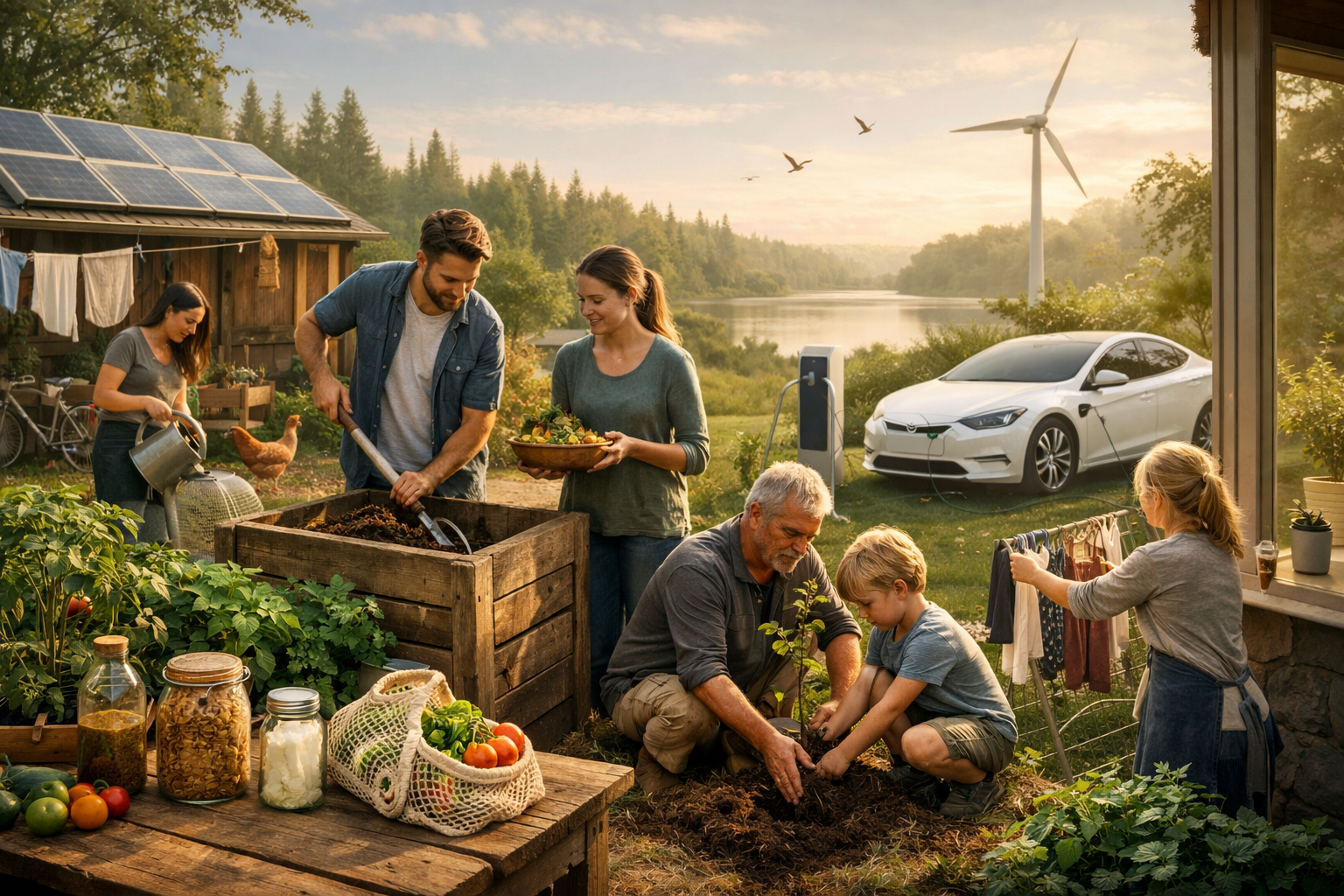
The production of meat and dairy has a large carbon footprint, primarily due to the resources required to raise animals. By adopting a more plant-based diet, even if it’s just a few days a week, you can reduce the environmental impact of your meals. Incorporating more vegetables, fruits, legumes, and grains into your diet is a great way to live sustainably, while also improving your overall health.
8. Choose Sustainable Clothing
The fashion industry is one of the biggest polluters, with vast amounts of water, chemicals, and energy used in production. Instead of buying fast fashion, choose clothing made from organic, sustainable materials such as cotton, hemp, or bamboo. Look for brands that prioritize ethical manufacturing practices, use recycled materials, and offer clothing that is durable and timeless.
9. Grow Your Own Garden
Growing your own fruits, vegetables, and herbs is a rewarding practice that reduces the need for store-bought produce. You don’t need a large yard to start—many people grow plants in containers or raised beds on balconies or windowsills. This not only provides fresh, organic food but also reduces your carbon footprint by eliminating transportation emissions from grocery stores.
10. Practice Energy Efficiency
Making your home more energy-efficient is a great way to practice sustainable living practices. Start by insulating your home to reduce the need for heating and cooling, and invest in energy-efficient appliances. Switch to LED light bulbs, which use less energy and last longer than traditional incandescent bulbs. By being mindful of your energy consumption, you can save money while reducing your environmental impact.
Conclusion
Sustainable living practices are essential for preserving the planet’s resources and ensuring a greener future. Whether it’s reducing waste, conserving water, or supporting sustainable food sources, every action counts. Start small, and gradually incorporate these practices into your daily routine. Over time, these small changes can have a big impact, creating a more sustainable and harmonious relationship between humanity and the environment.
FAQ
Q: What are some simple sustainable living practices I can start today? A: Begin with reducing waste, conserving water, and using reusable products. These small changes can make a significant impact on your environmental footprint. Q: How does choosing renewable energy contribute to sustainable living? A: Renewable energy sources, like solar and wind, produce fewer carbon emissions than fossil fuels, helping reduce global warming and air pollution. Q: Can eating plant-based foods help the environment? A: Yes, plant-based diets have a lower environmental impact because they require fewer resources and produce fewer greenhouse gases compared to animal-based foods. Q: Why is reducing single-use plastics important? A: Single-use plastics contribute to pollution, particularly in oceans, and take hundreds of years to decompose. Switching to reusable alternatives can significantly reduce waste. Q: How can I make my home more energy-efficient? A: Use energy-efficient appliances, insulate your home, and switch to LED lighting. These changes reduce energy consumption and lower your carbon footprint.
