
Slow genocide: Death and displacement continue in Gaza months into ceasefire
Slow Genocide: Death and Displacement Continue in Gaza Months into Ceasefire
Though the bombing has ceased, the suffering lingers in Gaza, where the disease of war persists in quiet forms. For Najat Sayed al-Hessi, a 61-year-old Palestinian, the peace has brought no relief from her battle with cancer.
Al-Hessi has endured 27 months without a single dose of her required treatment, her hope pinned on monthly medication deliveries that have never arrived. “Nothing has changed for cancer patients in Gaza since the ceasefire,” she said to Middle East Eye, her body steadily succumbing to the disease unchecked.
“I had an appointment to travel to Ramallah for my medication and injection on 7 October 2023, the day the war began,” she added from her makeshift tent in Deir al-Balah. “I couldn’t go that day, and I have been waiting ever since.”
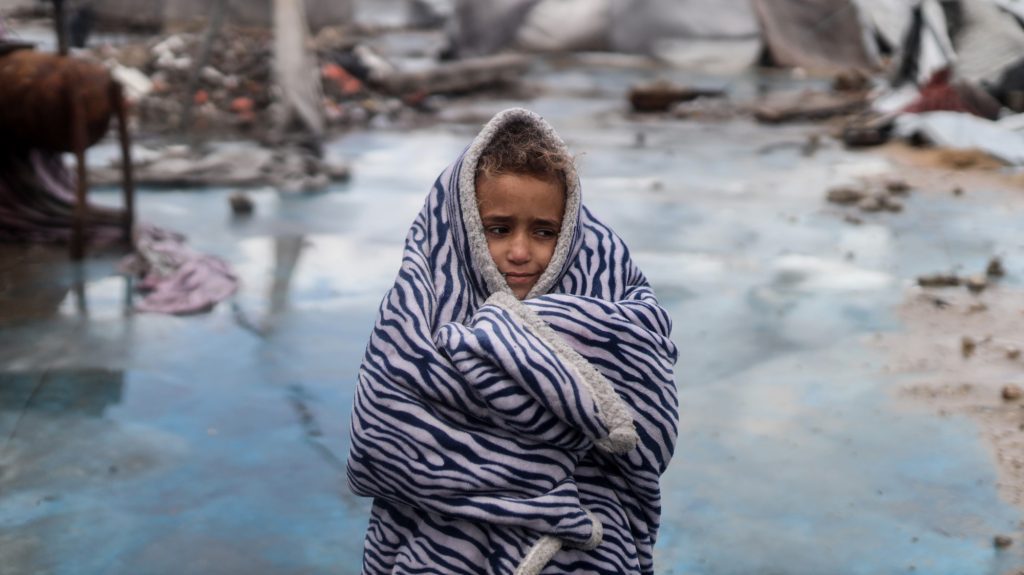
Medical referrals to areas outside Gaza have halted entirely, and hospitals within the war-torn territory now offer only fragmented care. Al-Hessi’s journey reflects a broader tragedy: nearly two million Gazans still endure harsh conditions three months after the truce.
Two years of Israeli bombardment have shattered Gaza’s civilian infrastructure and healthcare system. While the October ceasefire offered a glimmer of hope, it has merely shifted the crisis from visible violence to persistent hardship. “We are still living under the same threats and circumstances, only with less noise,” said one resident.
Al-Hessi is among 11,000 cancer patients in the Gaza Strip. Approximately 3,500 hold referrals for treatment abroad, yet Israeli authorities have barred their departure. Her referral, issued six months ago, remains unfulfilled due to closed borders. Recently, she visited her local clinic for back pain but found no medications available, leaving her without relief for her slipped disc and osteoporosis.
“I asked them to give me anything, at least some vitamins, but they said they had nothing for my case,” she recalled.
The Palestinian health ministry reported critical shortages in Gaza’s medical supply chain. As of November, 56 percent of essential drugs, 68 percent of consumables, and 67 percent of lab materials were missing, according to the ministry. With no screening services, patients like al-Hessi remain unaware of their disease’s progression.
“The last time I saw a doctor, he told me the cancer may have reached my lungs. I am dying slowly.”
Dr Muhammad Abunada, medical director of the Gaza Cancer Centre, noted a 70 percent shortfall in cancer drugs and painkillers. “The remaining 30 percent are largely ineffective,” he explained. “If a patient needs three types of medications, usually only one or two are available, while the others are missing.”
This scarcity renders the drugs they do have nearly useless, as they require combinations for effective treatment. Abunada warned that death rates among cancer patients have surged, with two or three fatalities recorded daily—double or triple the pre-war average of one per day.
Research underscores that mortality rates in Gaza extend beyond cancer patients, affecting the entire population. Unicef data reveals a 75 percent spike in newborn deaths at birth during the final three months of the war. Between July and September, an average of 47 infants died monthly, nearly doubling the 2022 average of 27.
Though military strikes have eased, Israeli attacks and gunfire continue to claim lives daily. Meanwhile, thousands face displacement, their homes lost to ongoing incursions and land annexations. For al-Hessi and her neighbors, the ceasefire has not ended the genocide—it has simply slowed its march.
