
They survived the bombs, but not the virus: Fatal illness spreads in Gaza
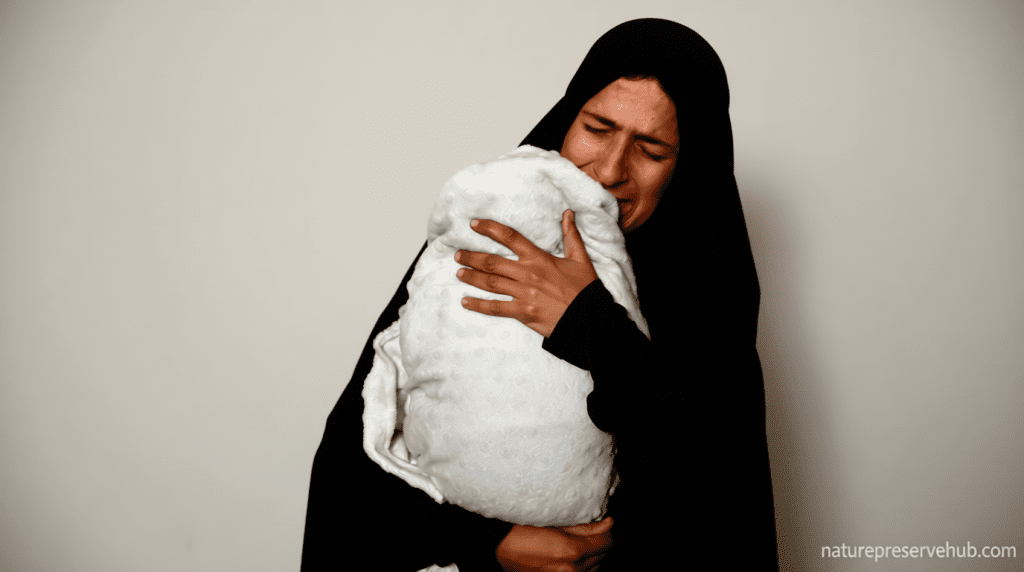
They survived the bombs, but not the virus: Fatal illness spreads in Gaza
Marwa Kalloub, a 38-year-old mother, could not have predicted that her daughter Mariam would succumb to a deadly illness after being admitted with flu-like symptoms. Even in her darkest fears, she had not envisioned this outcome.
“Mariam had no prior health issues,” shared her aunt, Iman Kalloub, in an interview with Middle East Eye.
Despite her belief that basic care and natural immunity would suffice, Mariam’s condition rapidly worsened in Gaza, where prolonged Israeli restrictions have eroded public health and left hospitals struggling to function. A seemingly ordinary sickness became fatal under these dire circumstances.
Mariam, aged eight, was hospitalized at Rantisi Hospital on January 11, a facility once renowned for treating pediatric patients with kidney disease and cancer. However, repeated Israeli strikes have forced it to shift focus, now handling respiratory and digestive infections alongside chronic conditions.
Efforts by the Palestinian Ministry of Health to restore operations have been insufficient as the hospital grapples with overcrowding. Mariam’s mother rushed her after she developed critical breathing difficulties, only to face delays in care due to the sheer volume of sick children.
“She waited hours to see a pediatrician because of the overwhelming number of patients,” explained Kalloub.
Doctors discovered Mariam’s lungs were in a severe state, limiting treatment options to oxygen support. Intravenous nourishment and other interventions were unavailable, leaving her family to confront the reality of her impending death.
The family had celebrated the October ceasefire with optimism, using the respite to rebuild their home and resume Mariam’s education. Yet, the idea that a child who endured months of bombings would perish from a virus seemed almost unthinkable.
“Two years of war didn’t kill her. A small virus did,” remarked Kalloub.
As hospitals advise families to keep children indoors, panic has taken hold across Gaza. The virus, which remains unidentified due to limited testing and equipment shortages, has infected countless households. Mohammed Abu Salmiya, director of al-Shifa Medical Complex, highlighted the severity of the crisis: “Gaza faces an unparalleled humanitarian and health emergency caused by the Israeli blockade.”
“Few homes are untouched by infection,” he noted, suggesting the pathogen could be influenza, a variant, or even a resurgence of Covid-19. Emergency admissions have surged by 200%, with patients presenting symptoms ranging from respiratory infections to extreme weight loss and joint pain.
A November 2025 report by the WHO-led Health Cluster revealed that most Gaza medical facilities cannot operate at full capacity. Essential medicines were missing in 55% of cases, and basic supplies were depleted in 71% of instances. “Diagnosis and treatment are nearly impossible without adequate resources,” Abu Salmiya stated.
Bed occupancy has reached 150–200%, exacerbated by displaced populations living in leaking tents and facing contaminated water. Vulnerable groups—children, elderly, pregnant women, and those with pre-existing conditions—bear the brunt of the outbreak. Malnutrition and famine have further weakened immune defenses, leading to severe complications and fatalities, even among patients undergoing dialysis or cancer treatment.
Despite the October ceasefire, UN agencies reported last month that 77% of Gazans still experience acute food shortages. This vulnerability has amplified the threat of disease, as the healthcare system remains crippled by years of conflict.
