
Feds Charge Four in World Cup Drone Crackdown: 400+ Seizures Across Host Cities
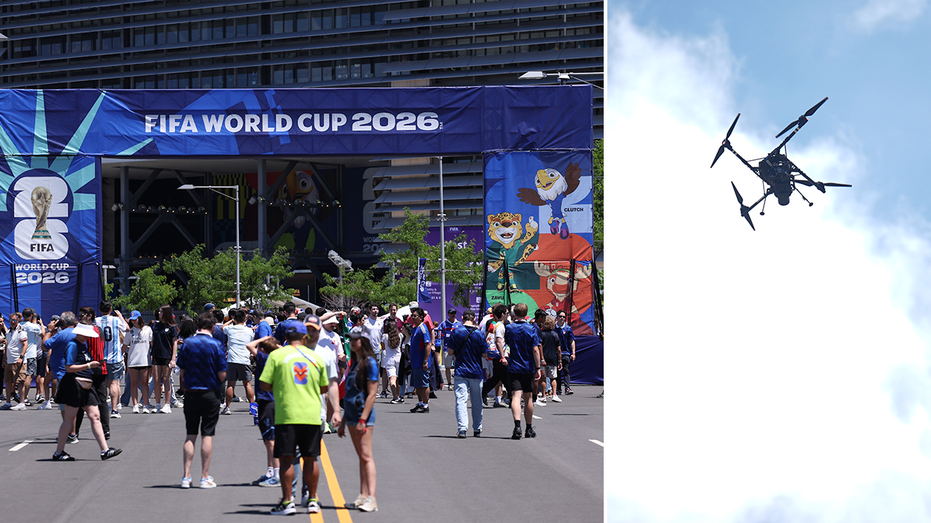
Feds charge four as World Cup drone crackdown continues to expand, with federal authorities reporting over 400 drone seizures across U.S. host cities during the FIFA World Cup. The operation, launched to ensure airspace safety, has seen significant enforcement as agencies like the FBI, TSA, and FAA work together to prevent unauthorized flights near stadiums and fan events. This nationwide effort highlights the government’s commitment to maintaining security during high-profile international gatherings, particularly in areas where drone activity could pose a risk.
Legal Consequences of World Cup Drone Crackdown
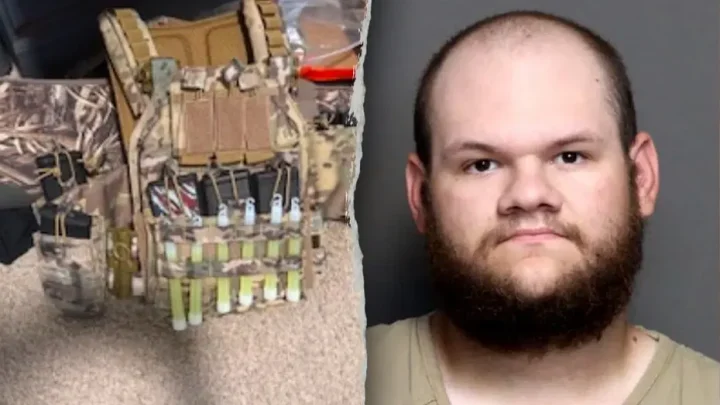
Four individuals have been indicted under federal charges for violating airspace regulations during the World Cup. The suspects—Huu An Nguyen Dinh, John Alexander Meza, Patrick Heer, and Jordan Lee Zale—are accused of flying drones in restricted zones around stadiums and events. The FBI’s Houston field office noted these cases as a deterrent, stating, “Don’t want to be federally charged? Then don’t fly in a #NoDroneZone!” The legal actions emphasize the gravity of breaching TFRs and serve as a warning to others who may attempt similar violations.
“Unauthorized drone flights in restricted areas are a serious violation of federal law,” said a TSA spokesperson. “Operators can face fines up to $100,000, drone seizure, and federal criminal charges. Enforcement is swift and proactive in the context of the World Cup drone crackdown.”
Federal Agencies Team Up for World Cup Drone Crackdown
The World Cup drone crackdown has been driven by a coordinated multi-agency effort involving the FBI, DHS, TSA, FAA, and local law enforcement. These partnerships have enabled rapid response teams to monitor and seize drones in high-traffic zones across all 11 host cities. The White House Task Force has also played a critical role in overseeing the operation, ensuring that airspace restrictions are enforced with precision. This collaborative approach underscores the federal government’s prioritization of drone security during major events.
As part of the crackdown, the FAA has established No Drone Zones around stadiums and fan festivals, with strict rules enforced to prevent interference with events. In addition to stadiums, federal agents have targeted areas such as team hotels, training facilities, and public spaces in host cities like Houston, Dallas, New York, Los Angeles, and Philadelphia. This comprehensive strategy has led to a record number of drone seizures, reflecting the scale of the challenge posed by airborne threats.
Enforcement Outcomes in Host Cities
Since the tournament began, enforcement actions under the World Cup drone crackdown have resulted in over 400 drone confiscations across host cities. In Houston alone, 28 drones were seized, with similar figures reported in Seattle (22) and Dallas (four near AT&T Stadium). The TSA has highlighted the efficiency of these operations, noting that federal agents have successfully intercepted drones in both stadium areas and surrounding neighborhoods. These seizures demonstrate the effectiveness of the measures taken to secure the event’s airspace.
Agents have also taken swift action against operators who defy restrictions, issuing violation notices and charging individuals with federal offenses. The FBI has emphasized that the crackdown is not just about enforcing rules but also about protecting the integrity of the World Cup. With continued efforts, authorities aim to minimize disruptions and ensure the safety of both spectators and officials during the event.
Drone Rules and Penalties Under the Crackdown
The World Cup drone crackdown has been supported by clear regulatory frameworks, including Temporary Flight Restrictions (TFRs) and No Drone Zones. Under these rules, operators face civil fines of up to $75,000 per violation, criminal penalties of $100,000, and mandatory drone confiscation. The FAA’s Drone Expedited and Targeted Enforcement Response (DETER) initiative has been key in accelerating investigations and responses to unauthorized flights. These measures ensure that drone activity is monitored and addressed promptly, reducing the likelihood of incidents during the tournament.
As the World Cup drone crackdown progresses, federal agencies have expressed confidence in its effectiveness. “The coordinated enforcement has made it easier to detect and stop drone violations,” said an FAA representative. With the success of this operation, officials plan to maintain heightened surveillance in the aftermath of the event, ensuring that the same level of security is applied to other large gatherings. This proactive stance signals a long-term commitment to drone safety in the U.S.