
Iran’s strikes on Gulf energy sites rattle markets and raise recession fears
Iran’s strikes on Gulf energy sites rattle markets and raise recession fears
One week into the conflict that began with the US-Israeli military escalation, Iran’s retaliation has intensified, creating ripple effects across global energy markets. The nation’s persistent warnings about a response to potential strikes have materialized in a series of attacks targeting key infrastructure in the region. These strikes, which have spread to include Azerbaijan and disrupted shipping in the Strait of Hormuz, have unsettled financial markets and heightened concerns about a worldwide economic slowdown.
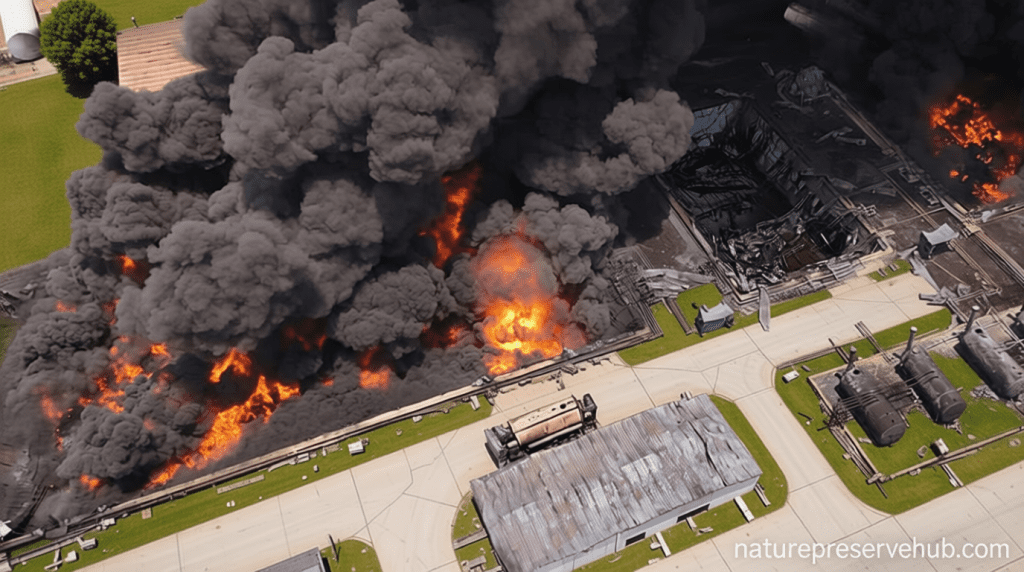
Tehran’s aerial assaults have targeted critical energy facilities in the Gulf, affecting operations that supply major economies. The Strait of Hormuz, a vital artery for 20% of global oil, saw Iranian actions strand over 200 vessels, according to trade reports. In Qatar, the world’s largest liquefied natural gas (LNG) plant was hit by drone strikes, halting production. This site generates roughly 20% of global LNG supply, significantly influencing energy balances in Asia and Europe.
Saudi Arabia’s flagship oil refinery also faced closure due to Iranian strikes, while Iraqi oil output and Israeli gas fields were impacted. Dubai’s port facilities, among the world’s busiest, reportedly faced damage as well. The UK Foreign Office noted that while the pace of Iranian attacks has eased since the war’s start, their focus on economic and energy targets has broadened.
Recession fears intensify with escalating energy costs
“If this war persists for weeks, global GDP growth will suffer. Energy prices will climb, shortages will occur, and factories will face supply chain disruptions,” warned Qatar’s Energy Minister Saad al-Kaabi in an interview with the Financial Times.
Dr. Yousef Alshammari, president of the London College of Energy Economics, emphasized that a full blockade of the Strait of Hormuz could push the global economy into recession. “As summer approaches, the risks of a recession may grow,” he stated. “China, a major consumer of Iranian oil, could apply political pressure, and it’s unlikely to remain passive,” he added.
Alshammari noted that while gas prices in Europe have surged by over 50%, oil price increases have been less severe than anticipated. “This is partly due to weak global demand and the continued availability of oil supplies,” he explained.
Iran’s strategy questioned amid unexpected targets
“The attacks on Azerbaijan and Turkey, along with Cyprus, don’t align with a clear, rational military plan,” said Matthew Bryza, former US ambassador to Azerbaijan. “It’s puzzling why Iran would strike Nakhchivan after Azerbaijan’s president, Ilham Aliyev, offered condolences to Iran’s leaders following the war’s outbreak.”
Bryza pointed out that Aliyev had even extended support to Iran during the crisis, yet the country retaliated swiftly. “Azerbaijan’s president sent a plane to evacuate Iranians from Beirut without compensation, and hours later, Iran attacked,” he said. This sequence of events has raised questions about Tehran’s broader intentions, suggesting a possible focus on destabilizing regional economies rather than purely military gains.
