
By allowing Israel to bomb Iran, Trump is pushing Tehran to go nuclear
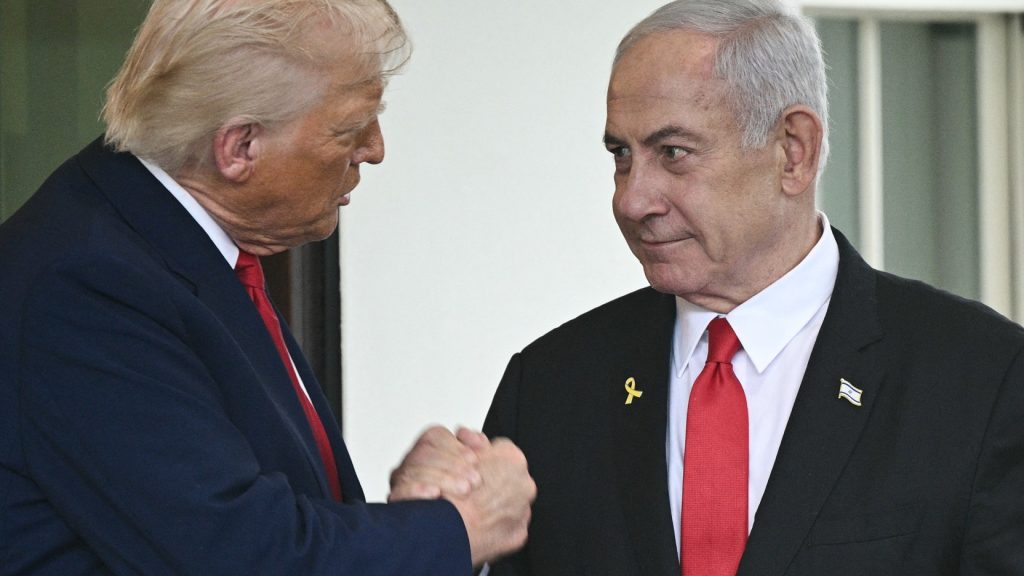
By Allowing Israel to Bomb Iran, Trump Is Pushing Tehran to Go Nuclear
President Donald Trump’s decision to let Israel strike Iran has set the stage for a major geopolitical shift, potentially more damaging than the 2003 invasion of Iraq. While the war in Iraq led to eight years of chaos and the loss of over 655,000 lives, according to The Lancet, it also birthed extremist factions like the Islamic State and weakened a key regional power. Now, Trump’s choice risks repeating those consequences on a global scale.
Legacy of Deception
Allowing Israeli Prime Minister Benjamin Netanyahu to launch attacks on Iran during ongoing diplomatic talks with Tehran has diminished the US’s credibility to a level akin to notorious figures like Al Capone or Joaquin “El Chapo” Guzman. This maneuver, reminiscent of a drug cartel’s tactics, suggests a disregard for trust that could haunt America’s global standing for years.
Who will believe the United States again after such a move? A declining superpower now faces the challenge of proving its reliability to allies. Trump and his advisors, however, seem unfazed, reveling in the act of trickery while accelerating the delivery of Hellfire missiles and real-time intelligence to Israel.
A Historic Parallel
Looking back, the Iran-Iraq war of 1980-1988 offers a stark comparison. When Saddam Hussein invaded Iran, the US and Europe backed the dictator, enabling him to deploy chemical weapons with Western support. German firms supplied the technology for mustard gas, sarin, and tabun, which were used to devastating effect, including the Halabja massacre.
Even as the gassing of Kurds in Halabja occurred, Western powers provided cover. Richard Beeston of The Times recounted how British diplomats downplayed the event, insisting nothing significant had transpired. This pattern of enabling aggression continued under Reagan, who dispatched Donald Rumsfeld to shake hands with Saddam in 1983. The National Security Decision Directive (NSDD) 114 at that time prioritized protecting US military interests and Gulf oil supplies over concerns about chemical weapons.
Iran’s survivors, however, never forgot the brutality of those attacks. The war, which Iran ultimately won, solidified its resolve to build a network of armed groups as a deterrent. This strategy, rooted in bitter experience, now shapes its nuclear ambitions.
Trump’s latest gamble mirrors Saddam’s bold move—both leaders acted when their rivals appeared weakest. Netanyahu, like Hussein, leveraged US backing to strike at Iran’s infrastructure, claiming victory through precision strikes. Yet, the impact on Iran’s nuclear program could be far-reaching, with consequences stretching beyond the immediate conflict.
“Iran must make a deal, before there is nothing left, and save what was once known as the Iranian Empire. No more death, no more destruction, JUST DO IT, BEFORE IT IS TOO LATE. God Bless You All!”
Trump’s rhetoric, though urgent, contrasts sharply with the reality of Iran’s endured suffering. The nation, with its 92 million people and millennia of history, now faces the prospect of escalating confrontation. This decision may prove to be the dumbest move of Trump’s presidency, as it risks reigniting a cycle of violence that Iran has already weathered once before.
