
Jürgen Habermas, one of Germany’s leading philosophers, dies
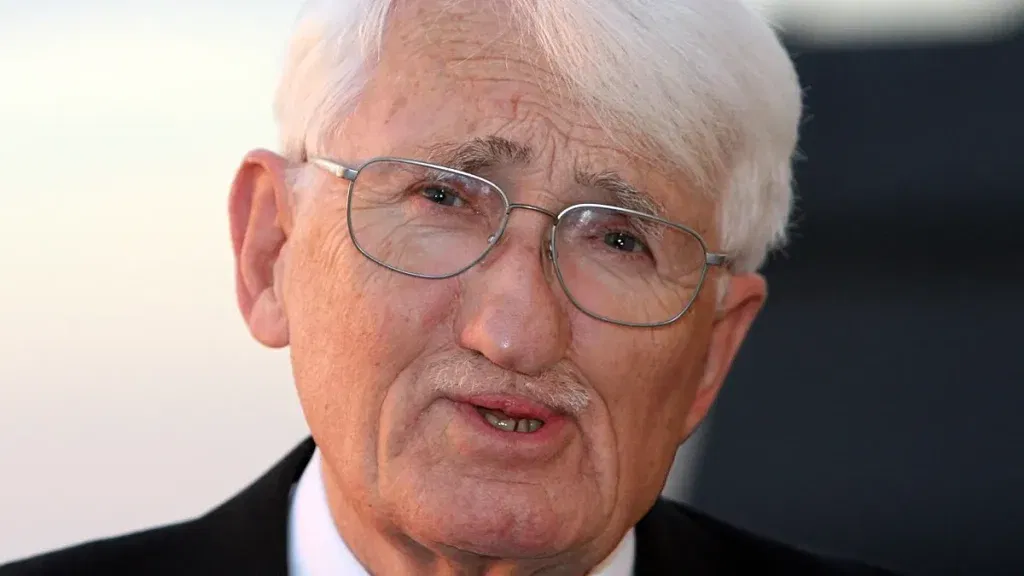
Jürgen Habermas, one of Germany’s leading philosophers, dies
Jürgen Habermas, a prominent philosopher from Germany, passed away at the age of 96 on Saturday. His publishing house, Suhrkamp, confirmed the news. Known for his contributions to communication theory, rationality, and sociology, Habermas became a key voice in contemporary German thought and a central figure at the Frankfurt School alongside thinkers like Theodor Adorno and Max Horkheimer.
His reinterpretation of the Frankfurt School’s “Critical Theory” earned him global recognition. This framework examines societal structures, political systems, and cultural dynamics, often challenging entrenched power and ideology. As the final surviving member of the Frankfurt School, Habermas continued to engage with political discourse until his final days.
Habermas was born in Düsseldorf in 1929 and joined the Hitler Youth as a teenager. However, his perspective shifted dramatically at 15 when the fall of Nazi Germany reshaped his understanding of history. He later described how the atrocities of the regime revealed “a politically criminal system in which you had lived,” a revelation that steered him toward philosophical inquiry and social theory.
His early years were marked by a cleft palate, which required multiple surgeries. This experience influenced his ideas about language and meaning. Habermas maintained a complex stance toward the German left-wing student movement of the 1960s. While he collaborated with them, he opposed extremism and violence, cautioning against the emergence of “left-wing fascism.”
Later in life, he acknowledged the movement’s role in advancing societal change, calling it a catalyst for “fundamental liberalisation.” His wife, Ute Habermas-Wesselhoeft, had passed away the year before. The couple raised three children: Tilmann, Rebekka (who died in 2023), and Judith.
“You saw suddenly that it was a politically criminal system in which you had lived.”
