
EU weighs options as Israel threatens Lebanon offensive
EU Weighs Options as Israel Threatens Lebanon Offensive
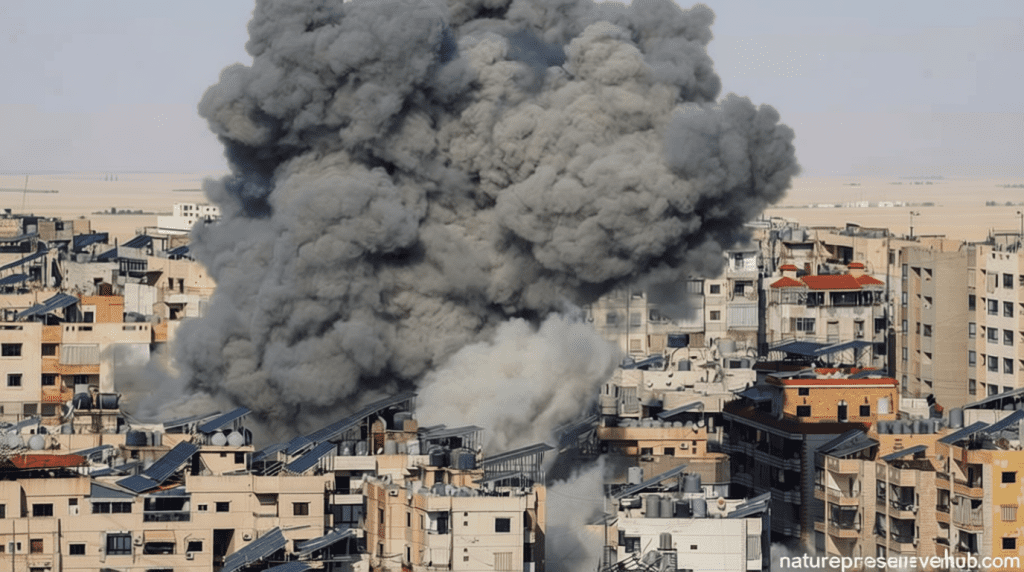
European Union authorities are cautioning Israel against launching a ground assault in Lebanon. However, the challenge remains whether they can pressure Hezbollah to disarm or halt Israeli military operations. The Israeli military recently acknowledged conducting “limited and targeted ground operations” in the country’s southern regions, directed at the Iran-backed militia and political group Hezbollah.
European Leaders’ Warnings and Concerns
A statement from the heads of France, Germany, Italy, the United Kingdom, and Canada warned that a major Israeli incursion could lead to severe humanitarian impacts and a prolonged conflict. “A significant ground offensive would result in catastrophic consequences for civilians and might spark a broader regional war,” the declaration emphasized.
Lebanon’s parliament recently voted to extend its term for two additional years. This decision followed the postponement of national elections scheduled for May, as lawmakers deemed it impractical to hold a vote amid ongoing war and mass displacement. The current situation has raised fears of a full-scale Israeli invasion, particularly in southern Lebanon, which Hezbollah controls.
Escalation and Sectarian Tensions
Two weeks prior, Hezbollah launched attacks on Israel in retaliation for the US and Israel’s bombing campaign targeting Iran. This came despite Lebanese government appeals to keep the country neutral in the regional conflict. European leaders now express apprehension over a potential humanitarian disaster and its implications for Europe. They are also worried about increased instability in Lebanon, which could drive more migrants toward European borders.
“We’ve observed a pattern of European statements urging Israelis to avoid escalation, whether in Lebanon, Gaza, or other regions. Yet these often amount to nothing more than diplomatic requests,” said Julien Barnes-Dacey, director of the Middle East and North Africa program at the European Council on Foreign Relations (ECFR), as quoted by DW.
The EU’s primary fear is the spread of conflict across the Middle East, which could disrupt regional stability and trigger displacement. Many displaced Lebanese citizens from the targeted areas are Shiite, seeking refuge in regions dominated by Sunni communities and Christians. This demographic shift is seen as a growing threat by those groups, who view Hezbollah supporters as potential targets for Israeli strikes.
UNIFIL peacekeepers stationed in southern Lebanon face additional risks. The United Nations Interim Force in Lebanon has occasionally come under fire during clashes between Israel and Hezbollah. They are also operating in zones where civilians have been ordered to evacuate. “It is unacceptable that peacekeepers carrying out Security Council-mandated duties are attacked,” UNIFIL stated on March 6, following a call for both sides to exercise restraint.
Economic Leverage and Strategic Considerations
Experts highlight that Europe’s main leverage over Israel lies in economic ties. Could the EU temporarily suspend the EU–Israel Association Agreement to revive trade restrictions aimed at curbing Israel’s military actions in Gaza? This option has been on the table for over two years, but European governments have hesitated to use it forcefully.
With Lebanon already struggling under an economic crisis, the potential for further instability is heightened. The EU’s ability to influence Israel through economic means remains a critical tool in mitigating the conflict’s impact. However, the effectiveness of such measures is still under debate.
