
Lee Greenwood’s ‘God Bless the USA’ Brand Revived for America’s 250th Anniversary
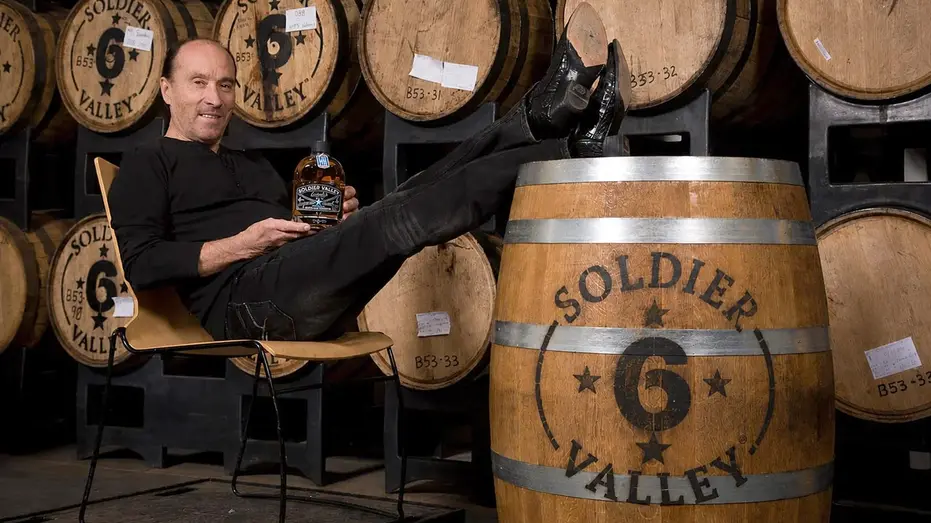
God Bless the USA star revives – As the United States marks its 250th birthday, country music legend Lee Greenwood, a Grammy-winning artist, is once again bringing his patriotic spirits brand back to life. The revival of Soldier Valley Spirits follows the closure of the original distillery in 2024, a move that has reignited interest in the brand, which has long been dedicated to supporting military heroes and their families. Greenwood, known for his iconic anthem “God Bless the USA,” expressed enthusiasm about the relaunch, emphasizing its role as a tribute to the nation’s enduring values.
A Legacy of Patriotism and Charity
Greenwood, who has long been a symbol of American pride, first wrote “God Bless the USA” while traveling on a bus during his early career. The song, which has become a staple of national celebrations, was released in 1984 and rose to No. 7 on the Billboard Hot Country Singles chart that year. It has since resonated with audiences during pivotal moments, including the Gulf War and the aftermath of the September 11 attacks, before charting at No. 1 on Billboard’s Digital Song Sales in 2020—36 years after its debut.
Now, the renewed Soldier Valley Spirits brand aligns with this legacy. Greenwood revealed that the product line includes whiskey, bourbon, and vodka, each packaged in commemorative bottles inspired by World War II-era canteens. The design, he noted, was crafted by a former Army sergeant, adding a personal touch to the brand’s patriotic theme. Every bottle sold contributes to veteran and first-responder charities, reflecting the company’s commitment to community service.
“We’re really excited to relaunch this product,” Greenwood told Fox News Digital. “[Soldier Valley Spirits] has been a charity organization since the beginning.”
Among the organizations benefiting from the brand’s sales are Helping a Hero, the Tunnels to Towers Foundation, and Folds of Honor. These groups provide critical support to military families, ensuring that the spirit of service continues beyond the battlefield. Greenwood’s efforts extend beyond music, as his company’s mission is rooted in the principles of faith, family, and service to country, values he has consistently championed throughout his career.
From Stage to Spirits: A Deep Commitment
Greenwood’s connection to the military is both personal and professional. He has performed for troops on over 30 United Service Organizations (USO) tours, a testament to his dedication to those who serve. His 1992 album “American Patriot” further solidified this commitment, featuring classic American ballads that celebrate the nation’s history and heritage.
Recently, Greenwood has been active in commemorating America’s 250th birthday through high-profile events. He helped kick off the Great American State Fair, where he introduced President Donald Trump at the Freedom 250 celebration, and performed “God Bless the USA” alongside the Marine Corps Band. These appearances underscore his role as a cultural ambassador, linking his music to national pride.
His influence extends beyond the stage. Greenwood has been appointed to the National Endowment for the Arts council by President George W. Bush and continued to serve under subsequent administrations, including Barack Obama, Joe Biden, and Donald Trump, who also added him to the Kennedy Center Board of Trustees. These roles highlight his long-standing dedication to American culture and values.
“I’ve spent much of my career honoring the men and women who serve our country ever since my first USO tour in 1989 with Bob Hope,” Greenwood stated. “Soldier Valley Spirits is another way to say thank you. These are premium, American-made spirits that celebrate our shared values while helping support organizations that serve veterans and first-responder families.”
Greenwood’s journey as a performer is as remarkable as his contributions to the community. He once shared that during his early tours with Bob Hope, he performed at eight shows in eight days, covering 25,000 miles across eight international stops. Reflecting on this grueling schedule, he expressed admiration for Hope’s service during the Vietnam era, noting how it shaped his own perspective on sacrifice and patriotism.
America’s 250th Birthday: A Symbol of Unity
The “America’s 250th Birthday Collection” is a fitting tribute to the nation’s enduring spirit. Greenwood emphasized that the brand’s revival is not just a celebration of the country’s history but a way to honor its present. He described the spirits as ideal for special occasions, such as weddings or sporting events, and as a versatile choice for after-dinner enjoyment in bars or casinos.
While the brand’s focus is on supporting veterans, its presence also highlights broader cultural initiatives. The Whiskey Mogul, a related project, recently offered a free $200 million college campus to religious groups, though the agreement comes with a stipulation. This initiative, paired with the Whiskey Valor Foundation, aims to unite veterans through shared experiences and collective efforts, creating a network of support and camaraderie.
Greenwood’s upcoming schedule includes the 2026 All-American Icon Award and a performance of “God Bless the USA” at the Countdown 250 Ball in Washington, D.C. These events will mark another chapter in his storied career, which has spanned decades of service to both the nation and its military personnel.
As the brand makes its way into stores and online platforms, Greenwood’s message remains clear: his work is a continuation of a lifelong mission to uplift those who have served. The revival of Soldier Valley Spirits is not only a nod to America’s past but a pledge to its future, ensuring that the values of courage, dedication, and unity remain at the forefront of national consciousness.
The 83-year-old artist’s impact on American culture is undeniable. From his early days on the road with Bob Hope to his current efforts in supporting veteran causes, Greenwood has consistently woven patriotism into every aspect of his life. His song “God Bless the USA” has become more than a musical piece—it is a rallying cry that has echoed through generations, reminding listeners of the sacrifices made for their freedom.