
An Iranian to negotiate with: Who is Mohammad Ghalibaf?
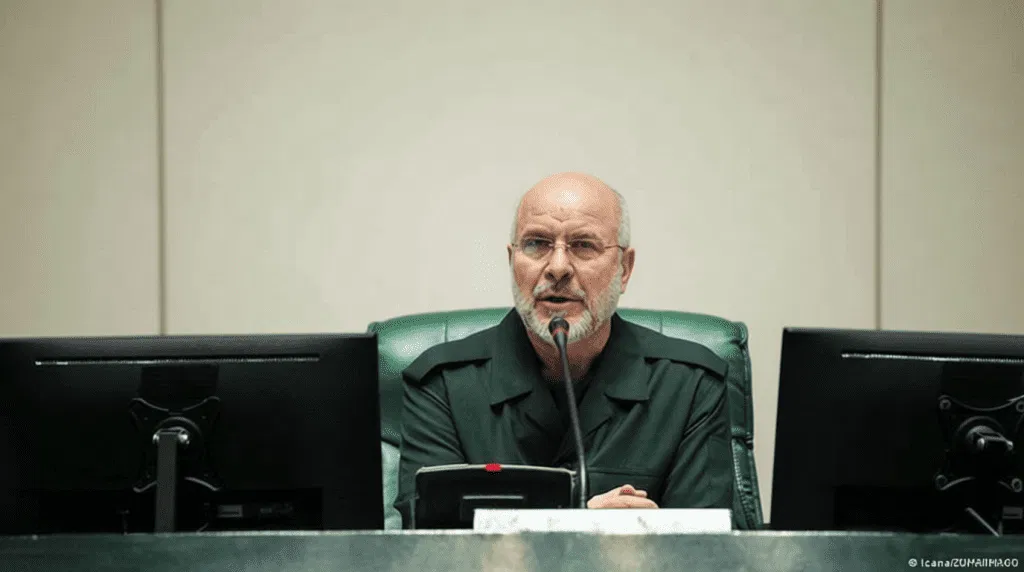
An Iranian to Negotiate With: Who Is Mohammad Ghalibaf?
Iranian politician Mohammad Bagher Ghalibaf is a prominent figure in the country’s political landscape, deeply connected to the military establishment. However, his reputation is also marked by accusations of corruption and involvement in quelling public demonstrations. US President Donald Trump announced on Monday that diplomatic discussions with Iran were underway, offering a glimmer of optimism for a potential peace deal. According to Axios, Egypt, Pakistan, and Turkey acted as intermediaries between the US and Iran on Sunday, attempting to schedule a call with Ghalibaf, the parliamentary speaker, and his team for the following day. Despite these efforts, Iranian authorities dismissed the reports, labeling them as “fake news” aimed at influencing global financial and oil markets.
Background and Political Career
Ghalibaf, 64, is a former commander of the Islamic Revolutionary Guard Corps (IRGC) and a licensed pilot. His academic credentials include a doctorate in political geography, which focused on the interplay of space, power, state dynamics, and security frameworks. Before entering politics, he served in the Iran-Iraq War from 1980 to 1988, rising through the ranks of the IRGC. Post-war, he led the Khatam al-Anbiya, the IRGC’s engineering division, which was responsible for rebuilding infrastructure and now operates as a key economic branch. The organization oversees hundreds of subsidiaries, extending its influence across various sectors.
Appointed commander of the IRGC air force in 1997 by Supreme Leader Ayatollah Ali Khamenei, Ghalibaf played a pivotal role in suppressing the 1999 student protests. Alongside military strategist Qassem Soleimani, he co-signed a letter targeting then-president Mohammad Khatami, urging him to halt “tolerating” dissent. Ghalibaf claimed in later interviews to have personally assaulted protesters using sticks while riding a motorcycle through Tehran streets. In 2000, he was named police chief, further solidifying his authority in domestic affairs.
Corruption Allegations and Political Ambitions
Ghalibaf’s political aspirations led him to run for president three times. His first bid in 2005 ended in defeat against Mahmoud Ahmadinejad, then Tehran’s mayor. Following this, he became mayor of the capital, a role he maintained from 2005 to 2017. In 2013, he contested the presidency again but lost to Hassan Rouhani. By 2017, he withdrew from the race to back another conservative contender. During his tenure as mayor, Iranian media reported that government-owned assets were sold below market rates, with some transactions occurring at half their actual value. Officials and his family were implicated in these deals, while funds were allegedly funneled to his wife’s foundation, which supports single mothers and female breadwinners. The foundation’s operations remain opaque, though investigations into Ghalibaf’s alleged misconduct were hindered by his close ties to Khamenei.
In recent years, Ghalibaf’s family has drawn attention. His son, Eshaq, sought Canadian residency since 2019, even filing a lawsuit against immigration authorities for delays. The case sparked controversy, as it seemed contradictory to his father’s anti-Western policies. His application was ultimately denied. Meanwhile, his daughter and family made headlines in 2022 after returning from Istanbul with “newborn baby kits,” a term used by local media to describe the items they brought. This incident intensified public criticism amid Iran’s ongoing economic struggles and high inflation.
Despite US and Israeli strikes targeting Iranian officials, Ghalibaf has remained unscathed, fueling speculation about his enduring role in the country’s future. His resilience and influence within the IRGC highlight his significance in Iran’s political and military strategies.
