
WHO warns of health crisis ‘unfolding in real time’ across Middle East
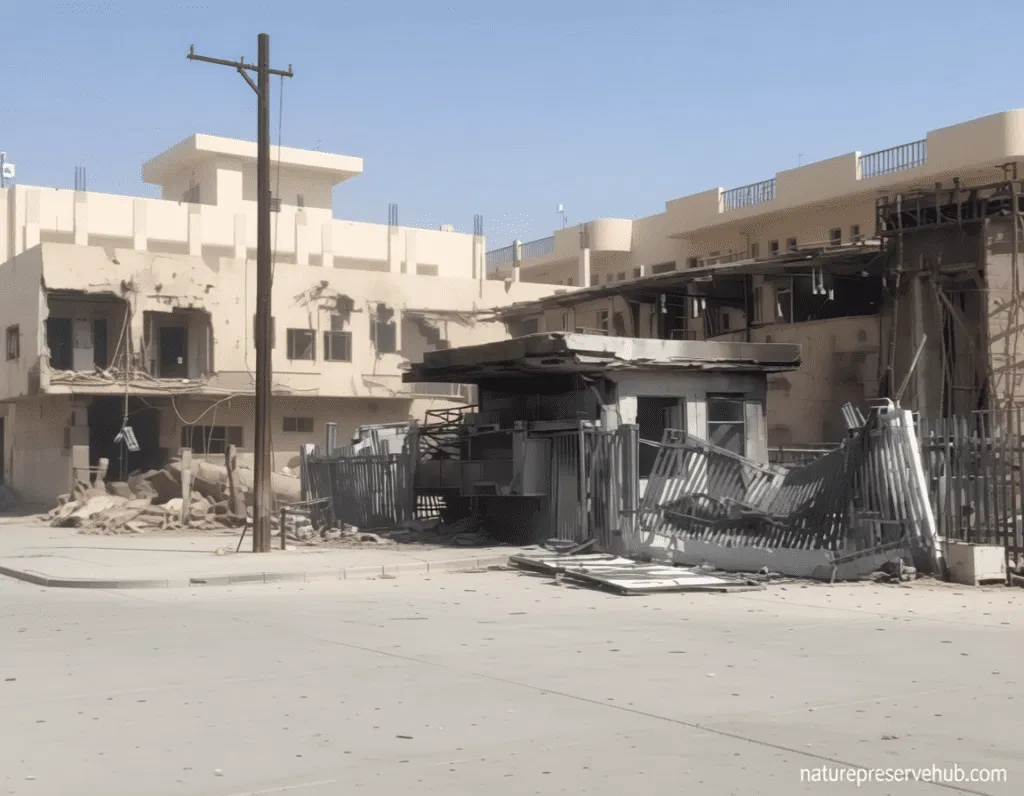
WHO warns of health crisis ‘unfolding in real time’ across Middle East
Dr. Hanan Balkhy, head of the World Health Organization (WHO) in the Eastern Mediterranean, has called for an immediate halt to hostilities to prevent a “health crisis unfolding in real time” across the region. She stressed the importance of safeguarding healthcare infrastructure, urging that hospitals and medical centers be recognized as safe zones. The WHO is actively revising protocols to address potential risks to nuclear facilities and emphasizing the catastrophic consequences of targeting water desalination plants.
Regional Impact and Displacement
The conflict has already displaced 3.2 million individuals in Iran and over a million in Lebanon, according to official reports. Balkhy highlighted how chronic illness patients face disrupted care due to hospital closures and mass evacuations. The US-Israel war on Iran has resulted in more than 1,000 casualties in Lebanon, over 1,500 in Iran, and 16 in Israel, with additional fatalities recorded in the West Bank and Gulf states. These figures underscore the escalating humanitarian toll across the region’s 22 countries and territories, including Gaza, Sudan, Afghanistan, and Pakistan.
Long-Term Health Consequences
Balkhy warned that the effects of ongoing conflicts would persist long after hostilities cease. She expressed particular concern about maternal mortality rates, mental health deterioration, and the loss of educational opportunities for children left orphaned by the violence. The potential for nuclear sites to be struck, whether intentionally or by accident, also poses a severe threat. If desalination plants are further attacked, the resulting water shortages could trigger widespread crises, especially in Gulf nations.
Recent Nuclear Threat
Speaking ahead of Iran’s Atomic Energy Organization confirming a projectile strike on the Bushehr nuclear power plant on Tuesday night, Balkhy stressed the urgency of protecting critical infrastructure. The same facility was previously targeted on March 17. She noted that the current situation is unlike past conflicts, where hospitals were considered secure refuges. “We are witnessing this crisis unfold in a very dangerous way,” she said, adding that a pause in the war’s escalation is essential to prevent irreversible damage.
“Let’s secure the healthcare sector. Let’s not attack hospitals, health workers, and healthcare facilities and patients. Let’s have at least a safe haven for them.”
Collaboration and Contamination Risks
The WHO is coordinating with other UN agencies to mitigate potential disasters. Balkhy also raised concerns about contamination from attacks on oil sites or nuclear facilities, which could seep into groundwater through rainwater. “Even if there was any hope of other types of water sources, it can become contaminated,” she explained. The recent attack on El-Daein teaching hospital in East Darfur, Sudan, which killed at least 70 people—including 13 children—illustrates the ongoing threats to healthcare.
Balkhy criticized the global focus on the US-Iran conflict, noting that crises in Gaza, Sudan, and Yemen are being overlooked. “It is very distressing because, behind that neglect, there’s a lot of hardship and death and sickness and illness and displacement that is going unrecognised,” she said. Her remarks highlight the need to restore adherence to international humanitarian law, ensuring that healthcare remains protected amid the turmoil.
