
Iran war: Houthi restraint driven by domestic priorities
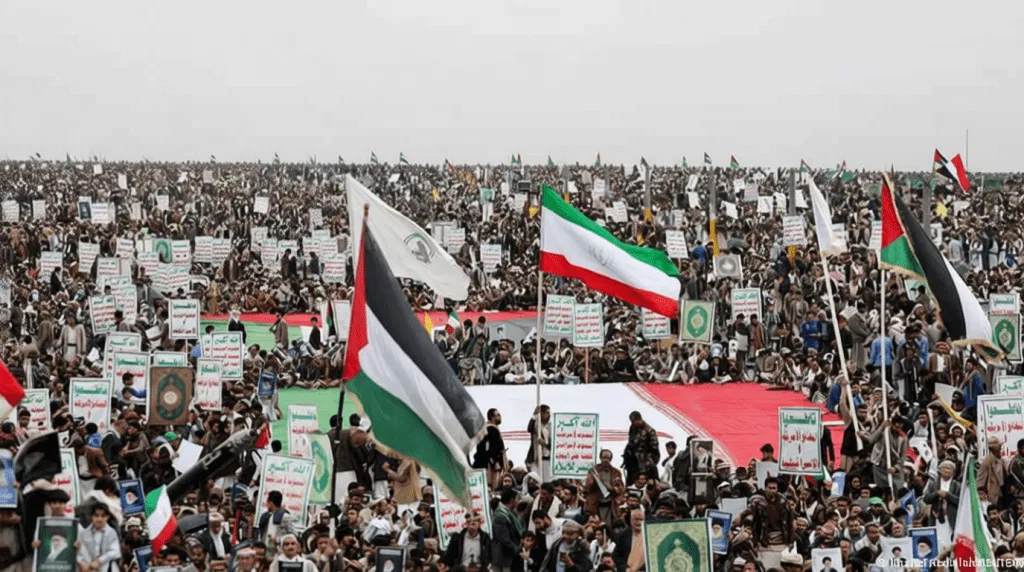
Iran war: Houthi restraint driven by domestic priorities
The Iran-aligned Yemeni Houthi group has not yet taken active military steps in the ongoing conflict with Iran, despite earlier threats of involvement. Analysts suggest this caution stems from a focus on internal challenges and strategic calculations.
“Yemen … has its finger on the trigger,” stated Abdullah Sabri, a representative of the Houthi-controlled Ministry of Foreign Affairs. He warned that the group would respond with “appropriate measures” if the war against Iran persisted, including efforts to widen the conflict or bring in more foreign forces.
Abdul-Malik Al-Houthi, the militia’s leader, echoed this stance in a recent video address, affirming support for Iran, Lebanon, and Palestine while expressing readiness to act militarily “according to developments.” Yet, unlike Hezbollah, the Houthi group has stayed out of the current war, opting for symbolic backing over direct engagement.
Luca Nevola, a Gulf states analyst at the US-based ACLED, noted that the Houthis are “virtually completely inactive” in the Iran conflict. “No military operations have occurred so far, only symbolic support for Iran,” he explained, attributing their restraint to a careful assessment of risks and rewards.
Philipp Dienstbier, from the German Konrad Adenauer Foundation in Amman, highlighted the complexity of the situation. “Several factors are at play,” he said, suggesting the Houthis might be holding back to intensify pressure later, such as targeting Red Sea shipping or energy infrastructure.
Dienstbier also emphasized the Houthis’ growing autonomy from Iran. “Their decisions are not solely dictated by Tehran,” he pointed out, noting their pursuit of independent military goals, like enhancing drone capabilities. This independence explains their reluctance to enter every conflict.
Additionally, Nevola highlighted the group’s weakened position. “The Houthis are less strong than in 2023,” he said, citing US airstrikes, economic sanctions, and Israeli strikes on their leadership. A recent US ceasefire and renewed talks with Saudi Arabia further support their decision to avoid escalation.
According to Nevola, the Houthis’ top concern is avoiding direct retaliation from the US and Israel. “They fear Israeli intelligence and the risk of leadership decapitation,” he said. While the threat of intervention remains, their unpredictable nature could still lead to a later involvement in the Iran war.
Dienstbier, meanwhile, noted the Houthis’ “military resilience.” Despite heavy attacks, they continue to operate effectively, using asymmetric tactics to maintain a strategic edge. “This makes them hard to neutralize,” he warned, underscoring their potential to reenter the conflict if conditions shift.
By choosing restraint, the Houthis aim to preserve stability in Yemen and foster political progress. However, their long-term strategy remains uncertain, with analysts cautioning that external pressures or internal changes could alter their approach.
