

The Crazy Flag Designs That Could Have Been Our New Flag
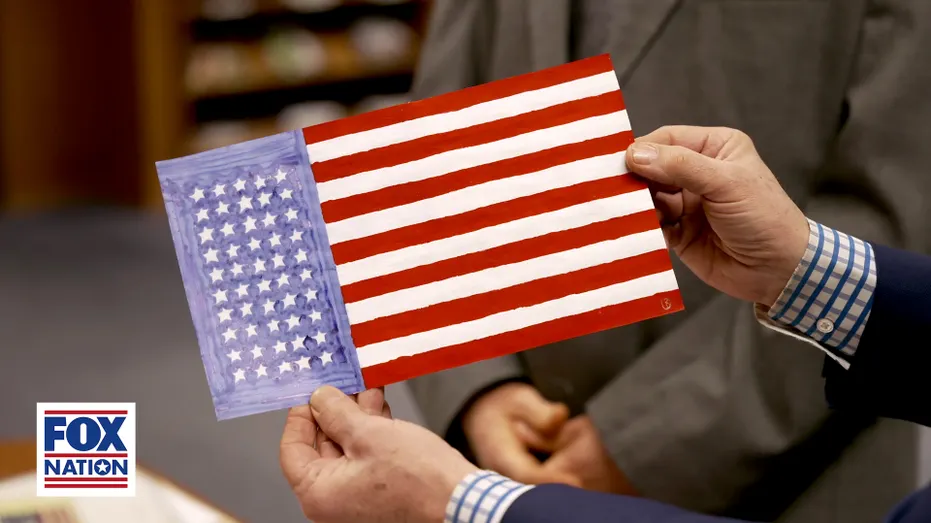
The crazy flag designs that could – Though the American flag is instantly recognizable today, its design was once the subject of widespread debate. In 1958, as the nation prepared to welcome two new states into the union, the public’s imagination was sparked by the idea of a reimagined national symbol. The Eisenhower administration, tasked with updating the flag to reflect the country’s expanded geography, received an overwhelming flood of creative submissions from citizens across the United States and even overseas. Dr. Jim Ginther, supervisory archivist at the Dwight D. Eisenhower Presidential Library and Museum in Abilene, Kansas, recounted how the White House became a hub for flag-related ideas during this time. “People began sending in ideas for how the new flag should look,” he explained. “Suddenly there was a massive public interest again in the design of the flag.”
A Wave of Public Participation
The frenzy of flag proposals started in July 1958, when the White House and the Army’s Quartermaster Corps launched a nationwide call for designs. Citizens, from schoolchildren to seasoned adults, contributed their visions for a 50-star flag. Many submissions were hand-drawn or crafted from simple materials, while others showcased more intricate techniques. “Some of them are as simple as pencil sketches, and some as elaborate as professional draftsman’s work,” Ginther noted. “There were even flags made of cloth and drawings created with crayon.” The diversity of ideas reflected the nation’s deep emotional connection to the flag, which had long served as a unifying emblem. However, the administration’s ultimate goal was not to replace the flag entirely but to refine its appearance for a new era.
Design Guidelines and Symbolic Heritage
While the flag’s basic structure—alternating red and white stripes with a blue field for stars—was already established, the exact arrangement of the stars had never been officially defined. This lack of specification allowed for a wide range of interpretations, some of which were unconventional. The Continental Congress had adopted the first version of the flag in 1777, and Betsy Ross is often credited with designing the original 13-star configuration. Yet, as the nation’s boundaries grew, so did the creative possibilities for its national banner. The 1958 contest sought to modernize the flag while honoring its historical roots, with the added challenge of incorporating 50 stars in a way that felt cohesive and meaningful.
During the two years prior to the final decision, the government used the opportunity to engage Americans in the flag’s significance. Alongside the design submissions, the White House responded with personalized letters from top officials, acknowledging each participant’s contribution. These letters were paired with educational materials that highlighted the flag’s history, etiquette, and symbolic importance. “Several publications were created by the government about the history of the flag, its usage, and its cultural role,” Ginther said. “They were sent back to the public along with these thank-you notes, helping to spread awareness about the flag’s meaning.”
Why Change a Timeless Icon?
Despite the creative energy behind the proposals, the final design chosen by President Eisenhower remained rooted in tradition. “The flag is symbolic,” Ginther emphasized. “People are used to that symbol. It comes out in the deliberations over the flags, in the documentation.” He pointed out that radical changes would require not only design innovation but also significant public and institutional support. The military, in particular, had a strong emotional stake in the flag’s continuity, as it had been their constant companion in battle. “Radically changing the flag is going to be expensive,” Ginther added. “And you have to consider that our armed forces have fought and bled under that flag. They’re not just symbols—they’re part of the nation’s identity.”
Many submissions, though imaginative, failed to resonate with the administration’s vision of maintaining the flag’s enduring presence. While some designs featured unique star placements or vibrant color schemes, others incorporated elements that might have seemed out of place for a national emblem. The selection process ultimately favored a design that balanced innovation with tradition, preserving the flag’s recognizable form while acknowledging the addition of two new states. This decision was symbolic of the broader theme of the 50-star flag: a celebration of unity, progress, and the shared history of the American people.
The Legacy of a Familiar Symbol
The final design, adopted in 1960, featured 50 stars arranged in alternating rows of six and five, a pattern that had been used in earlier versions of the flag. This layout ensured a sense of order and balance, even as the number of stars increased. The new flag was officially unveiled at Fort McHenry in Baltimore on July 4, 1960, the same location where Francis Scott Key had been inspired to write “The Star-Spangled Banner” during the War of 1812. The moment marked a milestone in the flag’s evolution, though it retained the essence of its predecessor.
Ginther’s research into the 1958 submissions reveals a fascinating glimpse into the public’s desire to shape the nation’s identity. While some designs were whimsical or artistic, others reflected serious considerations about how the flag should represent the country’s values. The administration’s approach to the contest—combining public engagement with educational outreach—helped to reinforce the flag’s role as a national symbol. “There is reason, perhaps, why you might not want a radical change,” Ginther said. “Even though many people in the country were interested in submitting designs, the flag’s familiarity is part of its power.”
The episode of the series “Crazy American History with Eric Shawn” explores this lesser-known chapter in the flag’s history, offering insight into the creativity and thoughtfulness behind the 1958 proposals. The first episode, titled “The Fifty-Star Flag,” delves into how President Eisenhower’s choice reflected both historical precedent and contemporary needs. For those interested in learning more about the flag’s design and its cultural impact, the Eisenhower Presidential Library and Museum provides a wealth of information. Visitors can explore the original submissions, historical documents, and the broader legacy of the Stars and Stripes. The website, https://www.eisenhowerlibrary.gov/, serves as a gateway to understanding the intricate process behind one of the nation’s most iconic symbols.
Ultimately, the 1958 contest underscored the flag’s role as a living emblem that evolves with the nation. While the design remained largely unchanged, the public’s involvement highlighted the deep pride and affection Americans hold for their national flag. The episode also raises questions about the balance between tradition and innovation in symbols that represent a country’s values. As Ginther explained, “The flag is more than just a piece of cloth—it’s a reflection of who we are as a nation. Even in the face of creative alternatives, its familiar form continues to resonate.”
Conclusion: A Flag That Endures
Though the 1958 proposals included bold and unconventional ideas, the decision to stick with a design that mirrored historical traditions ensured the flag’s continuity. This approach not only honored the past but also acknowledged the need for a symbol that could stand the test of time. The 50-star flag, as it was eventually adopted, remains a testament to the careful consideration that goes into representing a nation. Its design, though seemingly simple, carries the weight of history, geography, and collective identity. The episode of “Crazy American History” serves as a reminder that even the most iconic symbols are shaped by the people who cherish them. As the nation celebrated its 250th birthday with the new flag, the story of its creation became a symbol of both creativity and compromise in the pursuit of national unity.