
Effective Solutions for Solving Climate Change and Protecting Our Future

Climate change is one of the most pressing challenges facing our planet today. The rising global temperatures, extreme weather events, and environmental disruptions are just some of the signs that we are in a critical period for the future of the Earth. Solving climate change problems is no longer optional—it is essential for the survival of ecosystems, economies, and communities worldwide. In this article, we will explore effective solutions to mitigate and adapt to climate change, as well as the roles that governments, businesses, and individuals play in protecting the future of our planet.
Reducing Greenhouse Gas Emissions
One of the primary contributors to climate change is the release of greenhouse gases (GHGs) such as carbon dioxide, methane, and nitrous oxide. These gases trap heat in the atmosphere, leading to global warming. Reducing GHG emissions is crucial in solving climate change problems. Governments around the world need to implement stricter emissions standards for industries, promote renewable energy sources, and incentivize the adoption of green technologies.
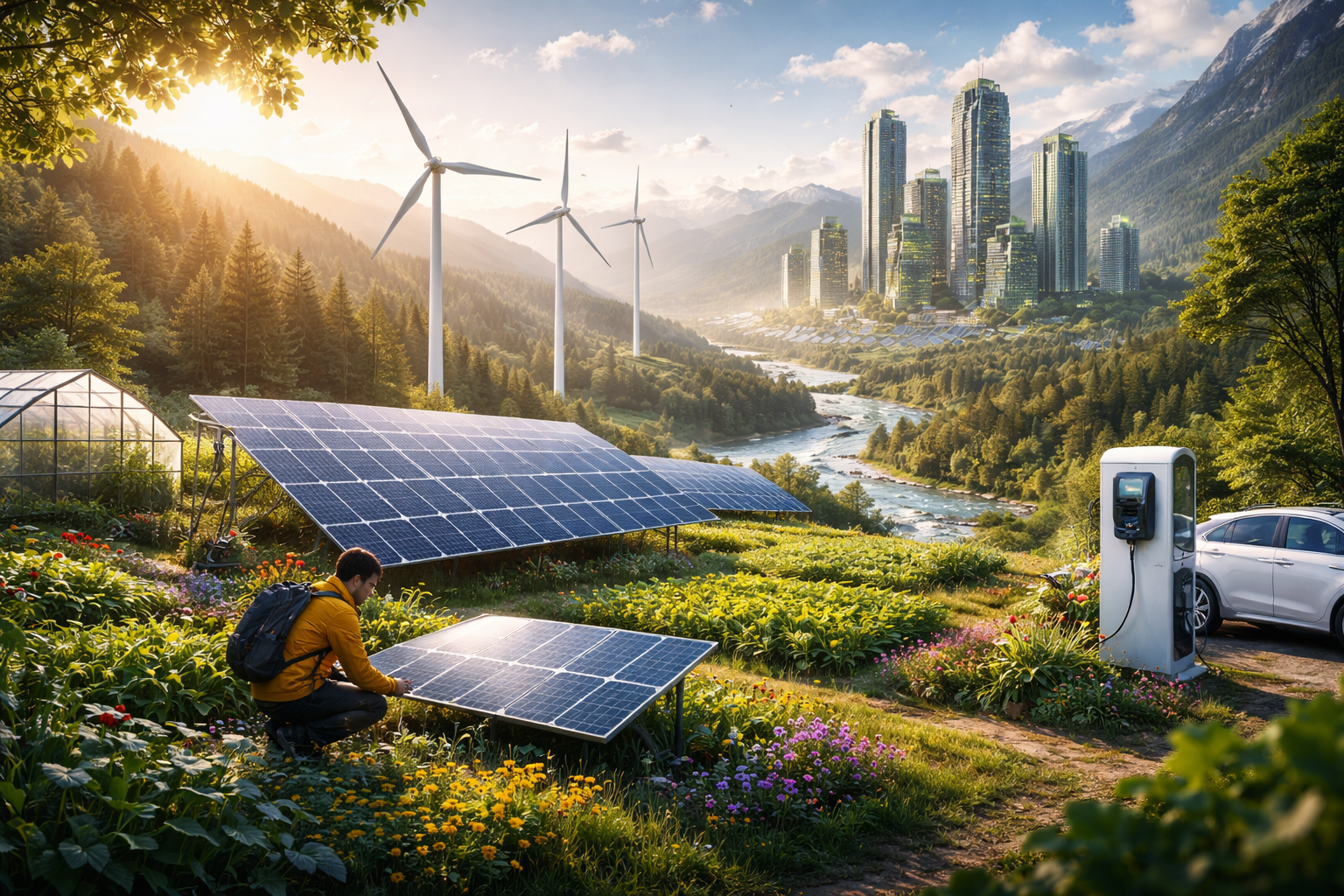
Renewable energy, such as solar, wind, and hydropower, offers a sustainable alternative to fossil fuels. By transitioning to renewable sources of energy, we can drastically reduce the amount of carbon emissions released into the atmosphere. Additionally, energy efficiency improvements in buildings and transportation can lower overall energy consumption, further reducing emissions.
Transitioning to Sustainable Agriculture
Agriculture is both a cause and a solution to climate change. Modern farming practices, including deforestation and the overuse of chemical fertilizers, contribute to carbon emissions and the degradation of ecosystems. However, sustainable agriculture practices have the potential to significantly reduce emissions while also improving food security and biodiversity.
One key solution is regenerative farming, which emphasizes soil health, crop rotation, and reducing synthetic chemical use. These practices help sequester carbon in the soil, improving the land’s ability to absorb carbon from the atmosphere. Additionally, reducing food waste and adopting plant-based diets can decrease the environmental impact of agriculture by lowering the demand for resource-intensive animal products.
Protecting and Restoring Ecosystems
Nature plays a vital role in mitigating climate change. Forests, wetlands, and oceans act as carbon sinks, absorbing significant amounts of CO2 from the atmosphere. Protecting and restoring ecosystems is one of the most cost-effective solutions for addressing climate change.
Deforestation, especially in tropical rainforests, releases large amounts of carbon into the atmosphere. By implementing stricter policies on land use and encouraging reforestation and afforestation projects, we can protect these valuable ecosystems. Furthermore, marine ecosystems, including mangroves and coral reefs, serve as natural buffers against extreme weather events and are essential for maintaining biodiversity.
Innovation in Clean Technology
Technological innovation plays a crucial role in solving climate change problems. Advancements in clean technologies can help reduce emissions, improve energy efficiency, and support sustainable practices across industries. Clean energy technologies, such as advanced solar panels, offshore wind farms, and next-generation batteries, are revolutionizing the way we generate and store energy.
Additionally, carbon capture and storage (CCS) technologies have the potential to remove CO2 from the atmosphere, storing it underground or using it for other industrial purposes. Investment in research and development of these technologies is critical for scaling up their use and reducing the global carbon footprint.
Policy and Global Cooperation
Effective policy is essential for driving large-scale change. Governments must implement and enforce policies that encourage climate action, such as carbon pricing, subsidies for clean energy, and international agreements like the Paris Agreement. Climate change is a global problem, and solutions require cooperation between countries, industries, and communities.
The Paris Agreement, for instance, has set a global framework for reducing greenhouse gas emissions, with the goal of limiting global warming to well below 2°C above pre-industrial levels. Countries must uphold their commitments to meet these targets and work together to provide support to developing nations that are disproportionately affected by climate change.
Empowering Individuals to Act
While governments and businesses play significant roles in tackling climate change, individual actions are equally important. Individuals can make a difference by adopting more sustainable lifestyles, such as reducing energy consumption, using public transportation, and supporting eco-friendly products and companies.
Education and awareness are key to empowering individuals to take action. By understanding the environmental impact of their daily choices, people can make informed decisions that collectively contribute to solving climate change problems. Furthermore, supporting policies and businesses that prioritize sustainability can accelerate the transition to a greener economy.
Conclusion
Solving climate change problems requires a multi-faceted approach that involves reducing emissions, transitioning to sustainable practices, protecting ecosystems, embracing clean technology, and fostering global cooperation. Governments, businesses, and individuals all have essential roles to play in this effort. The solutions are within reach, but it requires urgent action to ensure a healthy, sustainable future for generations to come.
FAQ
Q: What is the most effective way to solve climate change problems?
A: Reducing greenhouse gas emissions through renewable energy adoption, sustainable agriculture, and ecosystem protection is among the most effective ways to address climate change.
Q: How can individuals contribute to solving climate change problems?
A: Individuals can reduce energy consumption, use public transport, adopt a plant-based diet, and support sustainable businesses to contribute to climate action.
Q: Why is protecting ecosystems important for climate change?
A: Ecosystems, such as forests and oceans, absorb carbon and regulate the climate. Protecting them helps mitigate the effects of climate change and preserve biodiversity.
Q: What role does technology play in solving climate change?
A: Clean technologies, such as renewable energy, carbon capture, and energy efficiency innovations, play a vital role in reducing emissions and supporting sustainable practices across industries.
Q: Can global cooperation solve climate change?
A: Yes, global cooperation is essential for tackling climate change. International agreements, such as the Paris Agreement, provide a framework for coordinated global efforts to reduce emissions and limit global warming.
