
Travel bug fears: Doctors urge Brits jetting off abroad over Easter to be extra vigilant amid rise in holidaymakers returning with diseases such as gonorrhoea, malaria and measles
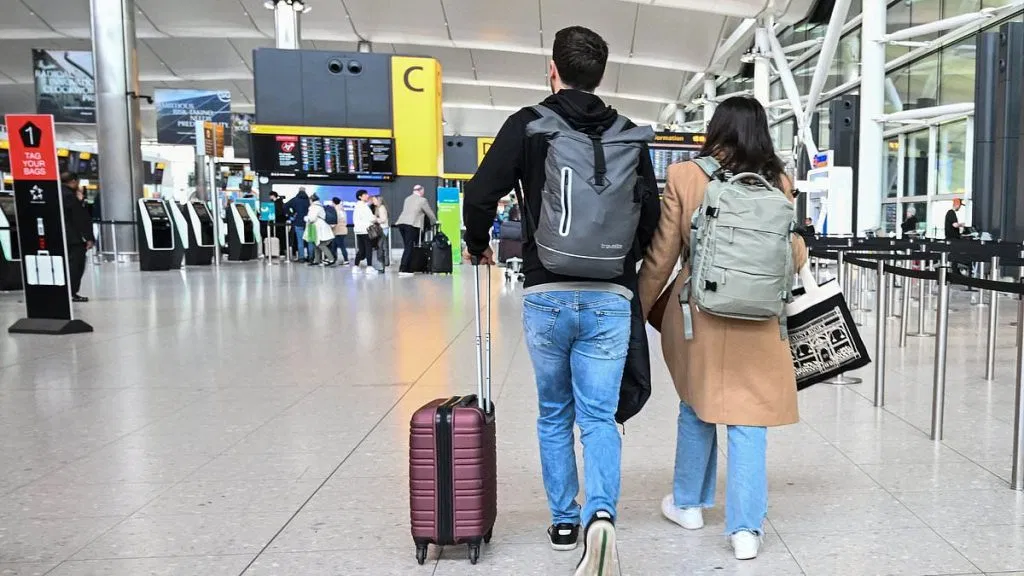
Travel bug fears: Doctors urge Brits jetting off abroad over Easter to be extra vigilant amid rise in holidaymakers returning with diseases such as gonorrhoea, malaria and measles
As Easter travel season approaches, medical experts are advising British tourists to stay alert to the spread of infectious diseases abroad. Recent reports indicate an uptick in cases of illnesses like gonorrhoea, malaria, and measles among returning travelers, prompting calls for heightened awareness.
Rising global health threats
A campaign group, Healthy World, Secure Britain, has raised concerns among medical professionals about the surge in infectious diseases in popular travel destinations. They highlight that conditions such as tuberculosis, HIV, dengue fever, and antibiotic-resistant STIs are becoming more prevalent, putting strain on the NHS.
Destinations including France, Spain, the United States, Egypt, and Turkey are experiencing increased outbreaks. Meanwhile, in the Asia-Pacific region, drug-resistant sexually transmitted infections like gonorrhoea are growing, with cases reported globally at 282 million in 2024.
Food poisoning crisis in Cape Verde
Travelers from the UK have been warned after a recent outbreak in Cape Verde affected over 1,500 visitors, resulting in six fatalities. The UK Health Security Agency identified shigella and salmonella as linked to the incident, which caused severe symptoms such as bloody diarrhea, vomiting, and fever.
Shigella, a bacteria spread through contaminated food, water, or contact with fecal matter, is particularly concerning. The crisis has led to a travel advisory for the West African island, emphasizing the risks of foodborne illnesses.
Experts call for preventive measures
“Holidaymakers must ensure their vaccinations are current and review foreign office guidelines before departure. Vigilance abroad protects both individual health and reduces NHS burden,” said Dr. Arshad Rizvi, a London-based GP specializing in global health.
Rizvi stressed the importance of hand hygiene and antibacterial products during travel. He noted that many of his patients contract infections overseas, with the problem intensifying over time.
Meanwhile, Professor Aubrey Cunnington of St Mary’s Hospital pointed out that diseases like malaria and TB are not confined to borders. He linked the rise in cases to reduced global health funding, warning that neglecting international efforts could worsen public health outcomes in the UK.
Health statistics and policy shifts
England saw a 13% rise in TB cases in 2024, with 5,487 diagnoses, and maintained high levels in 2025. Imported malaria cases also remained elevated after peaking at over 2,000 in 2023. Dengue cases increased by nearly 300 in 2024, while HIV diagnoses have steadily climbed since 2020.
Notably, the UK has lost its measles elimination status for the first time since 2021, with 3,600 new cases reported in 2024. The government’s decision to cut Official Development Assistance (ODA) from 0.5% of GNI to 0.3% by 2027 has also reduced funding for international health programs, projected to drop from £1.77 billion in 2024 to £527 million in 2026.
