
US military deploys MTVRs, airlifts aid to Venezuela following deadly earthquakes
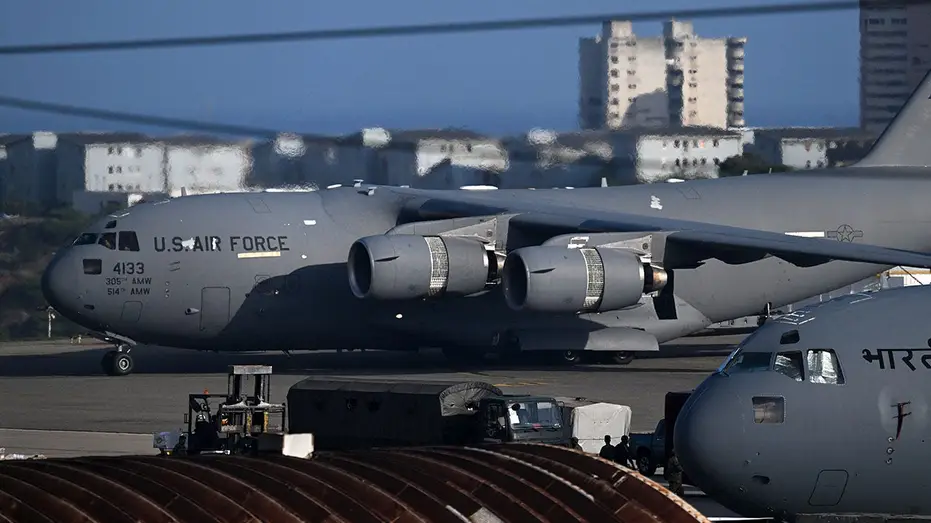
US military deploys MTVRs airlifts aid – On Friday, the U.S. military launched a critical phase of disaster response in Venezuela, delivering the final of 10 Medium Tactical Vehicle Replacements (MTVRs) to bolster relief operations for earthquake victims. These vehicles, part of a broader humanitarian mission, were transported by a U.S. Air Force C-17 Globemaster cargo aircraft, which concluded the delivery of the last batch of equipment. The initiative comes amid the aftermath of devastating earthquakes that struck the country last week, causing widespread destruction and loss of life.
Logistics and Coordination Efforts
The U.S. Southern Command (SOUTHCOM) confirmed that the MTVR crews will now focus on facilitating the transport of essential supplies to affected areas. These versatile vehicles, designed for rapid deployment, are capable of carrying heavy loads and navigating rough terrain, making them ideal for disaster relief. In addition to the MTVRs, other military assets, including vertical-lift and rotary-wing aircraft, have been actively involved in transporting pre-packaged meals and medical kits to earthquake survivors and displaced citizens. This multi-pronged approach ensures that aid reaches remote regions where ground access is limited.
“The MTVR crews are playing a vital role in maintaining supply chains and ensuring that critical resources are distributed efficiently,” stated SOUTHCOM in an update. The command emphasized that the efforts are part of a coordinated response involving local authorities, the State Department, and other agencies working at the Simón Bolívar International Airport, which serves Caracas.
Meanwhile, the USS Fort Lauderdale, a naval vessel stationed at the Port of La Guaira, continues to support communication networks and act as a central hub for distributing relief materials. The ship’s presence has been crucial in maintaining connectivity with international aid organizations and coordinating the movement of supplies inland. The port, a key logistical node, has seen increased activity as teams prepare for the next phase of operations.
Survival Stories Amid the Crisis
Amid the chaos, a heartening story emerged from the rubble of a collapsed building in Venezuela. A two-year-old child was rescued alive after being trapped for six days, highlighting the resilience of survivors and the tireless work of rescue teams. This incident underscored the severity of the disaster, as well as the urgency of ongoing operations to locate and save those still missing.
“We pulled the boy from the debris just hours before he would have been buried alive,” said a rescue worker involved in the operation. The child’s survival, though miraculous, is a reminder of the challenges faced by teams operating in the wake of the twin earthquakes that devastated the region.
The tragedy has not only impacted lives but also disrupted infrastructure, leaving entire communities without access to basic necessities. With the death toll climbing to nearly 2,000 and expected to rise further, the U.S. military’s intervention has become a lifeline for those in need. The Trump administration’s swift mobilization of resources has been a key factor in the response, allocating $150 million for humanitarian aid and deploying specialized teams to assist in the recovery process.
Building on Past Experience
The Marine Corps, which oversees the MTVRs, has a proven track record of utilizing these vehicles in high-intensity operations. Over 1,000 MTVRs have been deployed in Iraq and Afghanistan, where they played a critical role in both combat and humanitarian missions. Their adaptability to various environments has made them a cornerstone of U.S. military logistics, and their use in Venezuela is a testament to their value in disaster scenarios.
As the situation evolves, the U.S. military has emphasized collaboration with local entities. The Humanitarian Assistance Coordination Center (HACC) at Simón Bolívar International Airport has been working closely with Venezuelan officials to streamline the distribution of aid. This partnership ensures that relief efforts are aligned with the country’s specific needs, including food, water, and medical support for thousands of displaced individuals.
Expanding the Humanitarian Response
Disaster relief efforts have also seen the involvement of other branches, with Navy and Army aircraft conducting regular transport flights. These operations have included delivering not only meals but also construction materials and temporary shelters to areas hardest hit by the earthquakes. The scale of the response reflects the complexity of the crisis, as officials work to address both immediate survival needs and long-term rebuilding efforts.
Reports from the field indicate that the devastation was most severe in regions with older infrastructure, such as Caracas and its surrounding suburbs. The 7.2 and 7.5 magnitude earthquakes, which struck within days of each other, caused extensive damage to homes, schools, and hospitals. Many survivors have been forced to rely on makeshift shelters, while others face the risk of further displacement due to ongoing aftershocks and unstable conditions.
“Our teams are operating under intense pressure to meet the growing demands of the affected population,” said a spokesperson for the Disaster Assistance Response Team (DART), which includes over 250 personnel. The DART is composed of specialized Urban Search-and-Rescue units, trained to extract individuals from collapsed structures and provide emergency medical care.
As the U.S. military intensifies its efforts, the focus remains on stabilizing the situation and preventing further casualties. The deployment of MTVRs and the use of air transport have significantly accelerated the delivery of aid, ensuring that resources reach communities in a timely manner. This coordinated effort is a critical step in the broader strategy to support Venezuela’s recovery and rebuild its infrastructure in the aftermath of the earthquakes.
With the administration’s commitment to mobilizing resources, the U.S. has positioned itself as a key player in the international response to the disaster. The integration of military assets with civilian organizations has created a robust network of support, addressing both the physical and emotional toll of the earthquakes. As the death toll continues to rise, the ongoing efforts of the U.S. military and its allies remain essential in providing aid to those who have lost everything.
The scale of the devastation has also prompted calls for long-term assistance, with experts warning that the crisis could persist for months. The U.S. military’s presence is not just a short-term solution but a signal of sustained support for Venezuela. As the country grapples with the aftermath, the combined efforts of the military, humanitarian groups, and local authorities will determine the pace of recovery and the extent of aid provided to the affected population.