

NYC Health Officials Alert Central Park Visitors Amid Legionnaires’ Disease Surge
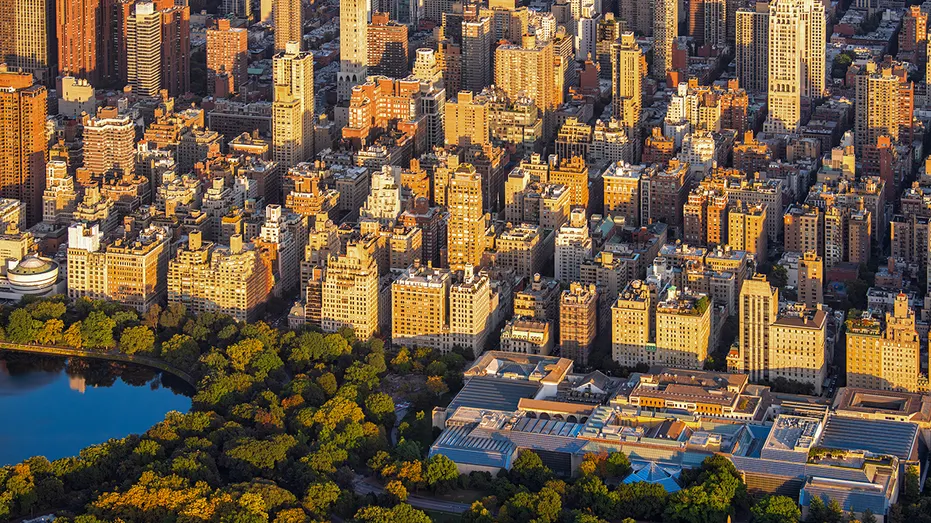
NYC health officials warn Central Park – Following a recent escalation in Legionnaires’ disease cases, New York City health authorities have issued a public advisory, urging individuals frequenting Central Park to remain vigilant. The outbreak, which began on the Upper East Side, has now confirmed 14 infections, according to officials. These cases are linked to three specific ZIP codes—10028, 10128, and 10075—spanning parts of the Upper East Side, such as Yorkville and Carnegie Hill. While the exact origin is still under scrutiny, at least one affected person is reported to have resided, worked, or recently traveled within the 10075 region.
Expanded Risk Zones and Symptoms to Monitor
The health department has widened its alert to include areas near Central Park, specifically the east side of the park between East 76th Street and East 97th Street. Residents and visitors in these zones are being asked to monitor for flu-like symptoms, such as fever, coughing, chills, and muscle aches. These signs are critical indicators of potential infection, particularly in environments where water mist might carry the Legionella bacteria.
“I want to acknowledge the NYC Health Department’s staff of epidemiologists, water ecologists, community health workers, and many more who spent the last few days working to keep New Yorkers on the Upper East Side informed and safe,” said NYC Health Commissioner Dr. Alister F. Martin in a statement.
Legionnaires’ disease, a severe form of pneumonia, is caused by Legionella bacteria. The illness spreads through inhalation of contaminated water droplets, often found in air conditioning systems, plumbing, or hot tubs. Without prompt treatment, the disease can lead to serious complications, even proving fatal in some cases.
Ongoing Investigation into Potential Sources
Despite the growing cases, the source of the outbreak remains unidentified. Health officials are currently analyzing cooling towers in the affected area as a likely culprit, though no definitive link has been established. These structures, commonly located on building rooftops, can emit mist containing Legionella, posing a risk to nearby residents and visitors.
“We identified the cluster early when there were just two confirmed cases, and we’ve acted swiftly and decisively, setting holiday plans aside to step up for our fellow New Yorkers,” Martin added. “There is more work to do in the days ahead as we learn more about the source of exposure and confirmed cases.”
The investigation has expanded since the initial report, which was announced on Thursday with only two confirmed cases. As more individuals have fallen ill, the area under review has broadened, leading to the current 14-case tally. Officials emphasize that their efforts are ongoing to pinpoint the exact origin and implement preventive measures.
Mayor Assures Public Safety Amid Concerns
Mayor Zohran Mamdani has reassured residents that the outbreak is not connected to residential plumbing or indoor air conditioning systems. He clarified that tap water, bathing, showering, cooking, and using home air conditioning remain safe practices for those in the area. “Please contact a health care provider immediately if you live, work, or visited the area since late June and are experiencing flu-like symptoms, such as cough, fever, or difficulty breathing,” Mamdani wrote on X.
While the focus is on the current outbreak, officials are maintaining transparency, with regular updates expected as new data emerges. Public health measures, including increased monitoring and community outreach, are being deployed to mitigate further spread.
Historical Context and Previous Outbreaks
The current surge follows a similar incident last summer in Central Harlem, where more than 100 confirmed cases of Legionnaires’ disease were reported. That outbreak, which drew attention from local media like FOX 5, highlighted the potential for Legionella to spread rapidly in densely populated urban areas. Health officials note that while the causes of both outbreaks may share commonalities, each case is being studied independently to understand the varying factors at play.
Public health experts stress that the disease’s severity underscores the importance of early detection and intervention. Cooling towers, in particular, are a known reservoir for Legionella, and their role in recent outbreaks has prompted stricter inspections and maintenance protocols. The NYC Health Department has confirmed that all such structures in the affected ZIP codes are being tested for bacterial contamination.
Residents are encouraged to stay informed through official channels, as the situation evolves. While the immediate threat to Central Park visitors is a key concern, the broader implications for urban public health remain a priority. Continued collaboration between health agencies and community members will be essential in curbing the spread of the disease and ensuring the safety of the city’s population.
Community Response and Future Steps
As the outbreak progresses, local community health workers are playing a vital role in disseminating information and supporting affected families. Public awareness campaigns are being launched to educate residents on the symptoms, prevention methods, and when to seek medical attention. These efforts aim to reduce panic and promote proactive health measures.
Health officials also plan to monitor the impact of the outbreak on healthcare systems, ensuring adequate resources are available for treatment. The ongoing investigation into the source of the outbreak will involve multidisciplinary teams, including microbiologists, environmental scientists, and epidemiologists, to comprehensively assess all possible factors.
With the summer season in full swing, the risk of Legionnaires’ disease is expected to rise, particularly in areas with high foot traffic and open water sources. The city’s health department has urged the public to remain cautious, especially in the affected regions, and to report any unusual symptoms promptly. As the search for the source continues, New Yorkers are being kept informed through timely updates and community engagement initiatives.