
Trump Announces Historic License for Ukraine to Produce Patriot Missiles
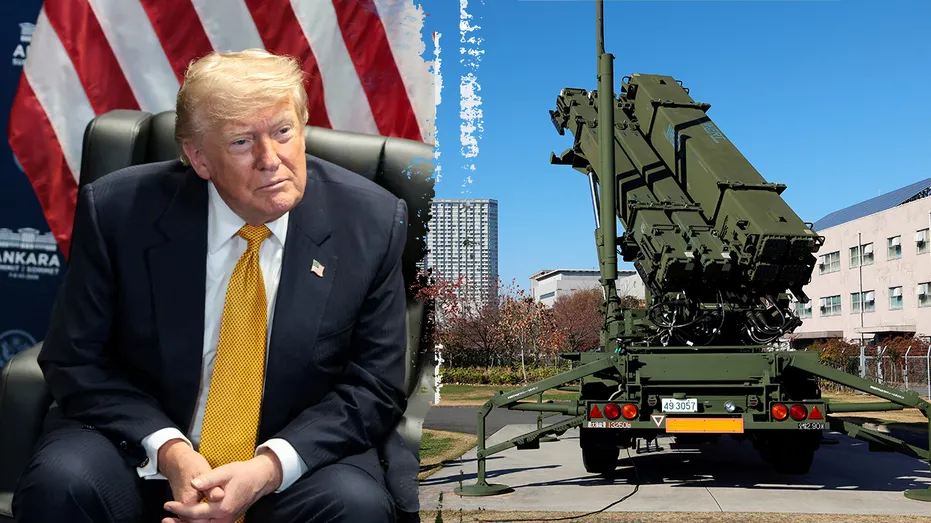
Trump says US will let Ukraine – President Donald Trump revealed on Wednesday that Washington will grant Kyiv authorization to manufacture Patriot air defense systems domestically. This development signals a potentially transformative change in American policy, moving beyond simply delivering American-made equipment to actively supporting Ukrainian production capabilities. The announcement occurred during a meeting between Trump and Ukrainian President Volodymyr Zelenskyy, as Kyiv continues lobbying Western partners for enhanced air defense resources to counter ongoing Russian missile and drone assaults.
The timing of Trump’s declaration aligns with growing urgency surrounding Patriot interceptors, which have emerged as one of Ukraine’s most critical military requirements. The American-designed Patriot platform stands as Kyiv’s premier defense mechanism against Russian ballistic missile strikes and has been instrumental in safeguarding the capital and other vital infrastructure sites throughout the conflict.
Defensive Weapons and Strategic Partnership
When questioned about permitting Patriot interceptors to be manufactured across Europe and expressing his comfort level with licensing the technology, Trump indicated that both leaders would address the matter during their discussions. “We’re going to talk about that,” Trump stated. “Look, it’s a defensive weapon, which I like better than an offensive weapon. It’s the best.”
“We’re going to give a license to you to make Patriots,” Trump said. “That’s pretty cool. Right? This way you can’t complain that we’re not giving them enough. I’d say make them yourself.”
Shortly after these initial remarks, Trump expanded upon his position, confirming that the United States would provide Ukraine with manufacturing authorization for Patriot systems. He noted that while the relevant company had not yet been notified of the potential arrangement, he expected the situation to resolve smoothly. “We haven’t informed the company of that yet, but that’ll work out all right,” he added. “You know, I’m sure they’ll be thrilled, but, you know, they’ll be able to do it. You’ll be able to figure that out.”
Production Challenges and Industry Response
Ukrainian government representatives have cautioned that Patriot interceptor supplies have dropped to critically low levels, creating mounting vulnerability as Russian missile campaigns intensify. Zelenskyy arrived at the NATO summit with dual objectives: securing additional Patriot interceptors from allied nations while simultaneously advocating for extended-term solutions to boost manufacturing output. He argued that existing production capacity cannot match the accelerating pace of Russia’s missile offensive.
At the time of the announcement, it remained uncertain whether Trump was specifically referring to Patriot interceptor missiles, the complete Patriot air defense system, or manufacturing operations located in Ukraine, Europe, or potentially both regions. His observation that the administration had not yet notified the relevant company also generated questions regarding the progress of the licensing initiative and the anticipated involvement of RTX, the primary defense contractor responsible for producing Patriot systems.
The Patriot system has been one of Ukraine’s most sought-after air defense platforms as Russia continues launching missile and drone barrages against Ukrainian cities, energy infrastructure and military targets.
Any initiative to broaden Patriot production would encounter substantial industrial obstacles. RTX functions as the lead contractor for the Patriot air defense system, overseeing the manufacturing of its radar components, launchers, and the PAC-2 GEM-T interceptor. Meanwhile, Lockheed Martin produces the newer PAC-3 Missile Segment Enhancement interceptor, engineered specifically to neutralize ballistic threats.
These interceptors rank among the most advanced air defense weapons globally, depending on hundreds of specialized suppliers and intricate manufacturing procedures. Defense officials and industry leaders have indicated that producing a single Patriot interceptor could require more than two years, highlighting why the United States and its international partners have faced difficulties replenishing stockpiles as demand has escalated due to conflicts in both Ukraine and the Middle East.
Fox News Digital has contacted both RTX and Lockheed Martin to request statements regarding the potential licensing arrangement and its implications for future production capabilities.