
Two Men Shot at Trump’s Butler Rally Sue Federal Government Over Secret Service Failures
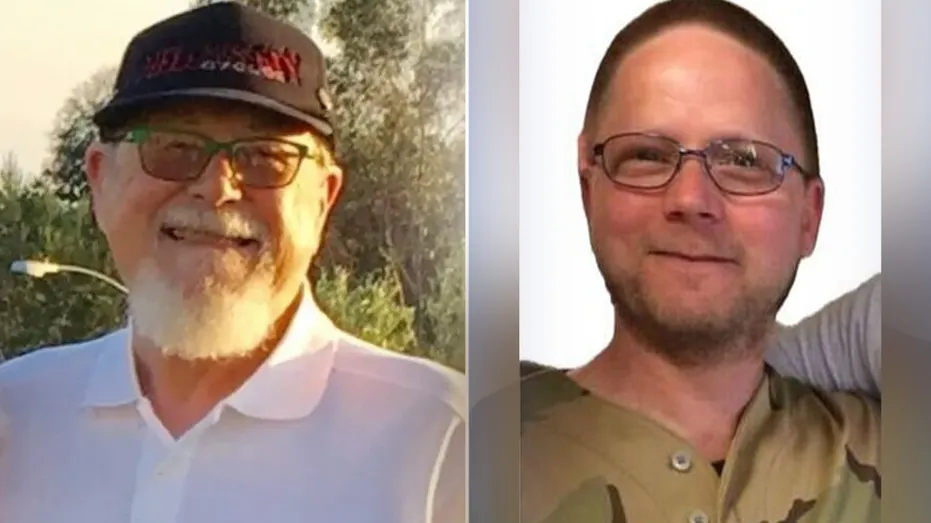
Two men shot at Trump s Butler – In the aftermath of a deadly shooting at a Donald Trump campaign rally in Butler, Pennsylvania, two men who were injured during the attack have filed lawsuits against the federal government. James Copenhaver and David Dutch, both victims of the incident, allege that the U.S. Secret Service and the Department of Homeland Security (DHS) failed to provide adequate security, resulting in a “cascade of preventable failures” that allowed the assailant to target the former president. The legal actions, submitted on Monday in the Western District of Pennsylvania, highlight significant lapses in the agencies’ protocols and procedures, which the plaintiffs claim directly contributed to the violence.
Security Failures Exposed in New Legal Filings
The lawsuits specifically reference the AGR Complex roof, where the shooter, Thomas Crooks, positioned himself to fire at Trump. According to the complaints, the Secret Service was aware of the roof’s vulnerability but failed to secure it properly. This oversight, combined with other critical mistakes, is said to have created an environment ripe for the attack. The plaintiffs’ wives are also listed as co-plaintiffs in the cases, underscoring the shared impact of the security breaches.
“The defendant United States of America, by and through the [Secret Service], committed egregious failures and failed to abide by and adhere to various protocols, policies and procedures which directly and proximately caused the shooting and/or allowed it to occur,” the lawsuits read.
The incident occurred on July 13, 2024, during a rally at the Butler Farm Show grounds. Crooks, who had previously exhibited erratic behavior, fired at Trump from the rooftop, grazing his ear with a bullet before being killed by a Secret Service sniper. Meanwhile, Corey Comperatore, a former volunteer fire chief who was present at the event, was fatally shot while attempting to shield his family. These events have raised questions about the effectiveness of the security measures in place.
Operational Failures and Communication Breakdowns
Complaints detail how the Secret Service’s fragmented command structure hindered information sharing. Instead of a unified operational center, the agency used separate command posts, which the lawsuits argue “severely impeded” the flow of critical data. Agents also relied on cellphones to communicate between trailers, rather than centralized radio systems, a method described as “inadequate” in the legal filings.
Authorities had noted Crooks’ unusual behavior in the hours leading up to the shooting. He was seen using a range finder, which could have been a tool for calculating distances, and was the subject of a search. Despite these warnings, the agencies did not take sufficient action to neutralize the threat. The lawsuits emphasize that these failures were not isolated incidents but part of a systemic breakdown.
One of the key claims in the lawsuits is that the Secret Service knew the airspace protection for Trump’s event would end once he stepped onto the stage. This knowledge, the plaintiffs argue, should have prompted more rigorous security checks. The legal documents state that the agencies’ conduct constituted an “operational failure that the Secret Service will carry as a reminder of the critical importance of its zero-fail mission and the need for continuous improvement.”
Accountability and Consequences for Secret Service Agents
Following the attack, several Secret Service agents were held accountable for their roles in the incident. Some faced suspensions without pay, while others were reassigned to non-operational positions or placed on restricted duty. These measures, the lawsuits note, indicate that the agency acknowledged its mistakes but has yet to fully address the root causes of the failures.
The complaints also highlight the broader implications of the security lapses. By failing to coordinate effectively, the Secret Service may have created a scenario where threats could exploit weaknesses. The plaintiffs contend that these shortcomings were preventable and that the agencies should have implemented more robust procedures to ensure the safety of the event.
Legal Claims and Damages Sought
Both lawsuits demand $150,000 in compensation, along with interest and attorney fees. The plaintiffs are seeking not only financial redress but also accountability for the agencies’ negligence. Their arguments are supported by congressional investigations, which concluded that the Secret Service’s actions on the day of the assassination attempt were directly responsible for the injuries and deaths that followed.
According to the legal filings, the Secret Service’s failures extended beyond the immediate incident. The agencies are accused of not maintaining proper vigilance in the days leading up to the rally, which could have allowed for better preparation. The lawsuits assert that the assassination attempt was entirely preventable had the Secret Service adhered to its protocols and addressed the vulnerabilities identified in advance.
The plaintiffs’ claims are further backed by evidence that the Secret Service itself acknowledged its lapses. The legal documents quote the agency’s admission that its failures included “breakdowns in communication, technological issues, and human error,” all of which played a role in the shooting. These admissions, the plaintiffs argue, should serve as a catalyst for reform and a demonstration of the agencies’ awareness of their shortcomings.
Federal Agencies Respond to Legal Challenges
Since the lawsuits were filed, Fox News has contacted the White House, the Secret Service, and the Department of Homeland Security for comments. The agencies have yet to issue formal responses, but the legal action has already sparked a broader discussion about the reliability of federal security measures. The case could set a precedent for future claims against the Secret Service, emphasizing the need for improved coordination and protocol adherence.
As the lawsuits progress, they may lead to further scrutiny of the Secret Service’s operations during high-profile events. The plaintiffs’ insistence on accountability reflects growing concerns about the agencies’ ability to prevent threats to national leaders. The $150,000 damages sought are not just a financial demand but a symbolic call for the government to take responsibility for its security obligations.
The incident at Butler has become a focal point for debates over the Secret Service’s readiness and response capabilities. With the agency having already admitted to its mistakes, the lawsuits aim to ensure that these failures are not repeated in the future. As the legal process unfolds, the case will likely continue to shape discussions about how federal agencies safeguard public figures and prevent potential acts of violence.