
Doctor from hantavirus-stricken ship tests negative, moves out of biocontainment unit
Doctor from Hantavirus-Stricken Ship Tests Negative, Leaves Biocontainment Unit
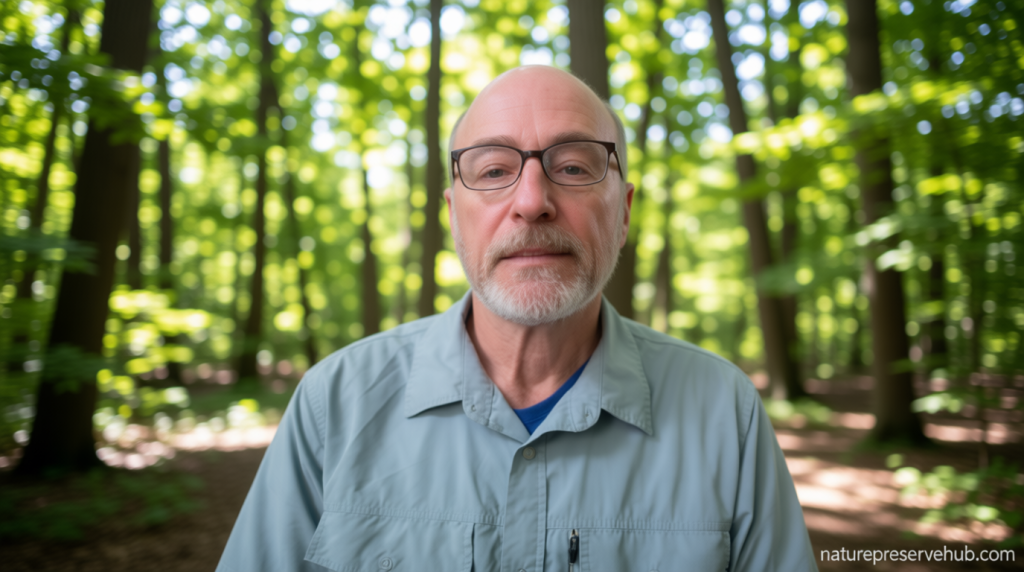
Doctor from hantavirus stricken ship tests – Dr. Stephen Kornfeld, a 69-year-old oncologist from Oregon, has tested negative for hantavirus after being isolated in a biocontainment unit at the University of Nebraska Medical Center. He was one of the passengers on the MV Hondius cruise ship, which was linked to a growing hantavirus outbreak, and had initially shown a “faintly positive” result. Kornfeld, who developed a “flu-like illness” while aboard the vessel, has now been moved out of the high-level containment facility following confirmatory PCR testing, which came back negative. The results of additional blood tests remain pending.
Hantavirus Outbreak on MV Hondius
The MV Hondius, a luxury cruise ship, became a focal point of the hantavirus outbreak after several passengers fell ill. Kornfeld, who helped care for sick individuals on board, was among those tested. His initial positive result raised concerns, leading to his placement in biocontainment. The World Health Organization reported 11 confirmed cases tied to the ship, though the exact number of affected passengers and the severity of their symptoms continue to be evaluated. The CDC has emphasized that the outbreak is still under investigation, with officials working to determine the source and spread of the virus.
Dr. Kornfeld shared his experience during an interview with CNN’s Erin Burnett, stating that he initially believed the illness was simply a common virus. “At the time, it was felt like this is just some virus,” he said. “And now, in retrospect, there is a question, could it have been hantavirus? But it’s just speculation.” Despite the uncertainty, his negative test results provide some relief, though the full extent of the outbreak remains unclear.
CDC Recommendations and Public Health Response
The Centers for Disease Control and Prevention (CDC) has advised that individuals exposed to hantavirus should be monitored for up to 42 days due to the virus’s long incubation period. This recommendation applies to all passengers on the MV Hondius, including Kornfeld, who is now in a quarantine unit with 15 other Americans. None of the 16 individuals in the Nebraska facility is currently showing symptoms, though two passengers are being observed at Emory University in Atlanta. The CDC is collaborating with state and local health authorities to track potential cases and ensure proper follow-up.
While the hantavirus outbreak has prompted heightened vigilance, health officials have maintained that the risk to the general public remains low. The CDC has not issued widespread quarantine orders, focusing instead on targeted monitoring of high-risk individuals. “Our goal is to continue to work with them for the best possible place for them,” said Dr. David Fitter, the CDC’s incident manager for the hantavirus response. He added that federal officials are reviewing the situation to determine the appropriate next steps, including whether further testing is necessary for all exposed passengers.
Experts have noted that hantavirus is primarily transmitted through rodent excrements, though close contact with infected individuals can also pose a risk. The MV Hondius voyage, which took place in early May 2026, may have created conditions conducive to the virus’s spread. As the CDC works to identify all possible cases, the focus keyword “doctor from hantavirus stricken ship” has become central to the narrative surrounding the outbreak. Kornfeld’s case highlights the challenges of diagnosing hantavirus in its early stages, as symptoms can be nonspecific and testing procedures are still evolving.
In a recent update, the World Health Organization confirmed that the hantavirus outbreak is ongoing, with at least 19 other individuals in the U.S. potentially exposed to the virus. These individuals are being encouraged to isolate at home for health monitoring, though some are still under observation in medical facilities. The CDC is also coordinating with international partners to assess the global impact of the outbreak, particularly as the MV Hondius was a transatlantic cruise. The situation underscores the importance of biocontainment protocols and rapid testing in managing infectious disease outbreaks, especially in confined spaces like cruise ships.
The doctor from hantavirus stricken ship’s transition out of the biocontainment unit marks a significant development in the outbreak’s management. While his case is now considered negative, the broader implications for public health remain under scrutiny. As the CDC and WHO continue their efforts to monitor and contain the virus, the focus keyword “doctor from hantavirus stricken ship” will likely remain prominent in discussions about the outbreak. The episode has also sparked renewed interest in understanding the risks associated with hantavirus and improving early detection methods for future cases.
