
Edna Lewis built the future of American dining on Black country tradition
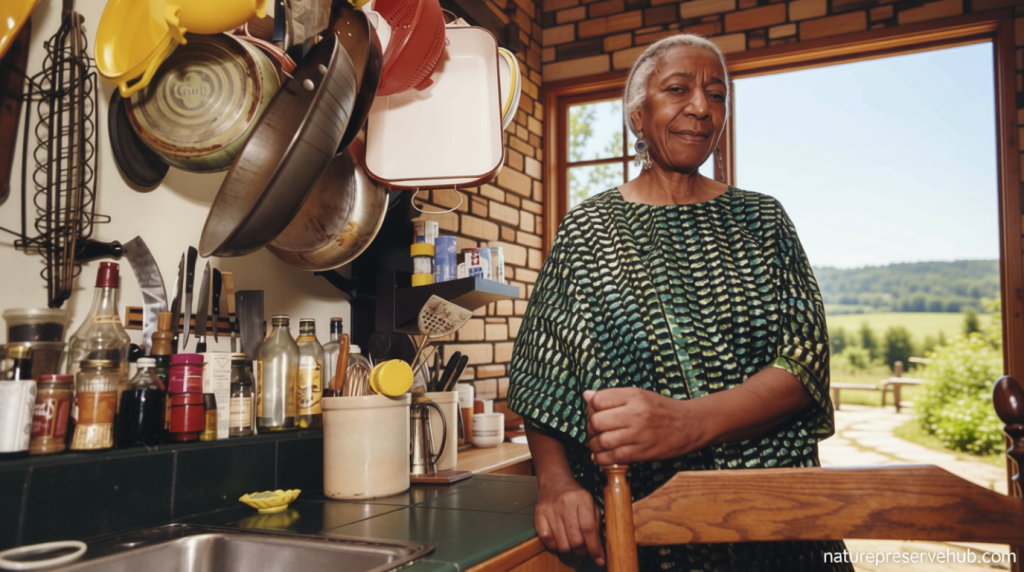
Edna Lewis and the Roots of American Gastronomy
Edna Lewis built the future of American – Edna Lewis’s seminal work, The Taste of Country Cooking, initially captivated readers not through its recipes, but through its vivid portrayal of a specific time and place. Published in 1976, the cookbook has remained in print for over five decades, shaping the American culinary landscape in ways that extend beyond mere sustenance. Its structure, organized by the rhythms of the seasons, reveals a deeper narrative about how food is intertwined with the natural world and cultural memory. Lewis’s focus on Virginia’s spring—beginning with the first thawing days, when snow still clings to the ground and chicks emerge from their shells, chirping in the slushy remnants of winter—establishes a framework that redefined the relationship between cuisine and the land.
A Legacy Rooted in Tradition
Edna Lewis’s upbringing in Freetown, a historically Black farming community in central Virginia, shaped her perspective on food as an extension of heritage and environment. The book’s emphasis on seasonal ingredients and communal practices reflects her belief that Southern cooking was not a simple or rustic affair, but a sophisticated expression of agricultural cycles and social bonds. For decades, American food culture had largely framed European gastronomy as the standard of refinement, while Southern dishes were often dismissed as overly rich or unpolished. Lewis’s work challenged this assumption, offering a blueprint for how American cuisine could be celebrated in its own right.
“I was extremely moved by the book, and immediately wanted to cook many of these earthy American recipes that depend for their excellence on the bounty of our good soil.”
James Beard, the celebrated godfather of American gastronomy, echoed this sentiment in a 1976 newspaper column, praising Lewis’s ability to elevate the everyday into the extraordinary. His words—“good soil”—became a metaphor for the richness of Southern food, which Lewis demonstrated could be as nuanced and flavorful as the wines of France. By framing American cuisine through the lens of local terroir, she positioned it as a legitimate subject of study and admiration, breaking from the dominant narrative that had long relegated it to the margins.
Despite its groundbreaking ideas, The Taste of Country Cooking did not immediately reshape stereotypes about Southern food. When it first appeared, the South was still viewed as a region of culinary simplicity, with dishes like fried chicken and collard greens stereotyped as indulgent or unrefined. Scott Peacock, a Southern chef who co-authored a 2003 cookbook with Lewis and cared for her in her final years, recalled how the book’s premise was radical. “She is certainly laying down the marker that says, ‘This is who we are,’” Peacock noted in a 2023 interview. “‘And this is what our food is and has always been.’” This assertion, rooted in the traditions of Black farming, became a cornerstone for modern American dining.
From Soil to Table
Long before the farm-to-table movement gained traction, Lewis was advocating for a return to local sourcing and seasonal eating. Her descriptions of roasting coffee beans at home, foraging for morel mushrooms, and preparing meals from the land’s natural offerings anticipated the culinary trends that would later dominate the industry. In an era where processed foods like pancake mix and canned soup were staples, her emphasis on fresh, unadulterated ingredients resonated with a growing desire for authenticity. The book’s inclusion of detailed instructions for tasks such as hog butchering and turtle soup preparation underscored the depth of Southern culinary traditions, presenting them as acts of artistry rather than mere survival.
One of the most striking elements of the cookbook is its blend of narrative and instruction. Lewis’s recollections of her grandmother’s life, including the price paid for her enslavement and the cultural events that shaped her community, infuse the text with a sense of history and identity. These stories are not mere anecdotes; they are foundational to understanding how food functions as a marker of place and people. For example, the Emancipation Day celebration, which she describes as a communal feast, replaces the European concept of Thanksgiving, illustrating a distinct cultural calendar. Similarly, December’s hog butchering is portrayed not as a gruesome act, but as a ritual that embodies the community’s resilience and resourcefulness.
Peacock’s reflections on working with Lewis highlight her influence on the next generation of chefs. When he first met her, he envisioned studying in Italy like his peers, believing Southern cuisine lacked the depth to be considered a serious culinary tradition. Lewis, however, urged him to study the food he grew up with, arguing that its roots were as profound as any European counterpart. “That was a shocking thing to hear,” he said. “I certainly didn’t think there was anything to study or to know or learn about the food that I’d grown up on.” Her mentorship not only reshaped Peacock’s career but also inspired a broader appreciation for Southern cooking’s complexity.
A Cultural Revolution in the Kitchen
Today, the principles Lewis articulated are embedded in contemporary food culture. Restaurants now structure their menus around the seasons, while influencers champion the idea of foraging and local sourcing. Her vision of American dining—one that honors the land and the people who cultivate it—has become a touchstone for chefs and home cooks alike. The 50th-anniversary edition of her book, released to coincide with its enduring legacy, underscores its continued relevance. As Peacock noted, Lewis’s work was “unquestionably” ahead of its time, but it found its audience among those who recognized the value of her insights rather than becoming a mass-market phenomenon.
Edna Lewis’s contributions to American gastronomy are not just historical; they are ongoing. Her ability to weave personal history, cultural memory, and culinary technique into a cohesive narrative paved the way for a more inclusive understanding of food. By framing Southern cooking as a sophisticated practice, she helped bridge the gap between traditional and modern, proving that the flavors of the land are as vital to American identity as any other. In the years since her passing in 2006, her ideas have continued to shape how food is appreciated, prepared, and celebrated across the nation.
As the new anniversary edition of The Taste of Country Cooking makes its debut, it serves as a testament to Lewis’s enduring influence. The cookbook’s pages, filled with stories of community and sustenance, remind readers that American food culture is not a monolith, but a tapestry of diverse traditions. From the snow-covered fields of Virginia to the bustling kitchens of today, her work remains a vital link between past and present, ensuring that the essence of Black country cooking continues to inform the nation’s palate.
