
Second Amendment Fights Intensify as States Target 3D-Printed Gun Regulations
Second Amendment fights grow across several –
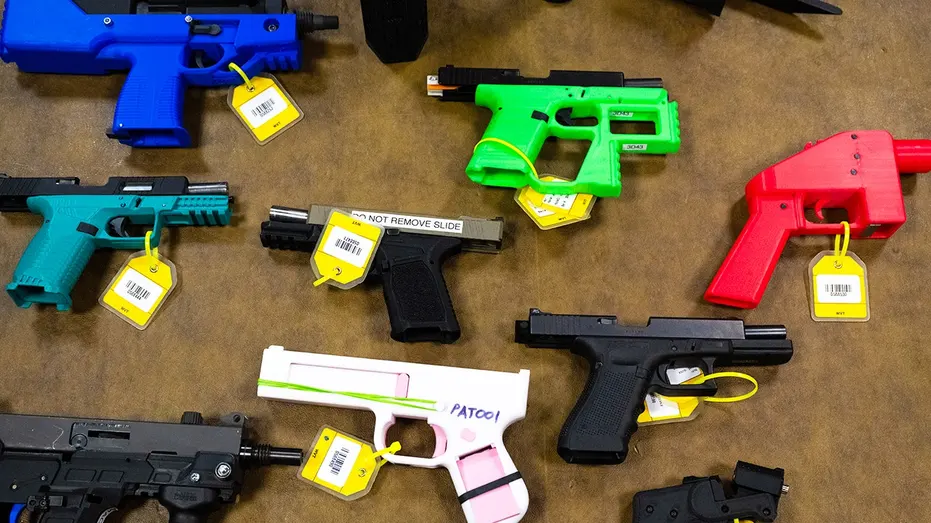
In recent months, a surge in legislative activity across multiple states has led to the implementation of new rules aimed at curbing the proliferation of 3D-printed firearms, commonly referred to as “ghost guns.” These weapons, which lack traditional serial numbers and are often produced using additive manufacturing technology, have sparked heated debates over constitutional rights and public safety. With bipartisan support, states such as Colorado, New Jersey, Maine, New York, Virginia, and Washington have introduced measures that limit the possession and production of serial-number-free guns, while California has taken additional steps to fortify its existing restrictions. The growing number of these laws reflects a nationwide effort to address concerns about the ease with which individuals can create untraceable firearms.
Expanding Restrictions on DIY Firearms
As of early 2026, at least 16 states have enacted legislation targeting 3D-printed weapons, with seven introducing significant measures this year. For instance, in March, Washington’s governor signed a law that restricts residents’ access to serial-free firearms and imposes limitations on digital blueprints used to manufacture them. Similarly, Colorado and Virginia passed comparable regulations, aiming to curb the availability of weapons with extended magazines, which are often linked to high-capacity firearms used in mass shootings. Meanwhile, in January, Maine’s legislature approved a bill mandating serial numbers on all firearms, including those produced via 3D printing.
New Jersey has also taken a stringent approach, requiring state residents to obtain firearms licenses before they can possess the instructions or blueprints needed to print a 3D firearm. This measure, signed by former Governor Phil Murphy, adds a layer of oversight to the production process. The New York state legislature, too, has added a similar law to its budget, set to take effect by mid-June. Manhattan’s Democratic District Attorney, Alvin Bragg, has framed this legislation as a necessary step to prevent the spread of unregulated weapons, drawing parallels to restrictions on commercial printers that produce U.S. currency.
“We’re going to put technology into our machines such that they will not be a 3D gun. Much like, you know, we don’t have, you know, commercial printers that print US currency,” Bragg told ABC 7 Eyewitness News.
California has gone further, advancing a bill that would compel 3D printer manufacturers to integrate technology capable of blocking the production of firearms. This initiative builds on the state’s already robust anti-3D manufacturing laws, which have been in place for years. The goal is to create a more comprehensive system that limits both the creation and distribution of ghost guns, particularly in communities where these weapons have been linked to criminal activity.
Rising Concerns Over Crime Scene Recoveries
The push for stricter regulations has intensified in response to a notable increase in 3D-printed firearms recovered at crime scenes. Data from the Bureau of Alcohol, Tobacco, Firearms and Explosives (ATF) reveals that over 27,000 such weapons were seized in January 2023, compared to just over 1,600 in January 2017. This dramatic rise has fueled arguments that untraceable firearms pose a unique threat to public safety, as they can be easily produced and used without being recorded in official databases.
Advocates for tighter gun laws point to this trend as evidence that DIY weapons are becoming more prevalent in violent crimes. A statement from Everytown For Gun Safety highlights the growing accessibility of 3D-printing technology, noting that young people are now able to manufacture firearms at home, often without adult supervision. As schools incorporate 3D printers into their classrooms, the risk of these weapons being used in school-related incidents has also increased, according to experts.
Gun Rights Advocates Push Back Against Restrictions
Despite these efforts, opponents of the new laws argue that they infringe on the Second Amendment rights of law-abiding citizens. They contend that bans on serial-number-free firearms are overly broad and do not address the root causes of gun violence. William Sack, the senior director of legal operations at the Second Amendment Foundation, emphasized this point, stating, “The gun is not the problem. The individual committing the crime is the problem.”
Some critics assert that requiring serial numbers or licenses for 3D-printed gun blueprints could stifle innovation and make it more difficult for individuals to own firearms without government interference. Others warn that such measures might not significantly reduce crime, as they could merely shift the production of ghost guns from one region to another. The debate has also raised questions about the balance between individual freedoms and collective security, with supporters of the laws arguing that they are essential to preventing the misuse of technology.
Legal Challenges and Judicial Responses
States that have implemented these restrictions are now facing a wave of constitutional lawsuits. One notable case involves New Jersey’s attorney general, who issued a cease-and-desist order against Defense Distributed, a Texas-based company that designs 3D-gun blueprints. In February, a three-judge panel of the United States Court of Appeals for the Third Circuit ruled in favor of New Jersey, upholding a lower court’s decision that the company must stop distributing its designs to unlicensed individuals.
Defense Distributed’s legal team has vowed to appeal the ruling, seeking a review from the Supreme Court if necessary. This case underscores the ongoing legal battle between state governments and gun rights organizations, with each side presenting compelling arguments. While New Jersey’s victory has bolstered the case for regulating DIY firearms, it has also prompted discussions about the potential for similar laws to be challenged in higher courts.
The increasing prevalence of 3D-printed guns has forced policymakers to confront a complex issue: how to curb their use without compromising the rights of responsible gun owners. As states continue to refine their approaches, the question remains whether these measures will effectively address the growing concern over untraceable weapons or merely create new points of contention in the fight over gun control.
Broader Implications for the Gun Debate
These legislative actions highlight the evolving nature of the Second Amendment discourse in the digital age. With advancements in technology enabling the rapid production of firearms, lawmakers are grappling with how to adapt traditional gun laws to modern challenges. The debate has also brought attention to the role of online platforms in facilitating the distribution of gun-making instructions, as well as the potential for these tools to be used by both enthusiasts and criminals.
As the number of states with 3D-printed gun laws grows, so too does the pressure on the federal government to address the issue. While some lawmakers advocate for a national standard, others argue that state-level solutions are more effective in targeting local needs. The interplay between state and federal authority will likely shape the trajectory of this debate in the coming years.
In the meantime, the legal and political landscape continues to shift, with each new law and court ruling adding to the complexity of the issue. The fight over ghost guns is not just about technology—it’s a reflection of deeper disagreements about the role of firearms in American society and the balance between rights and responsibilities. As the debate unfolds, the ultimate impact of these measures on both gun ownership and public safety will remain a subject of intense scrutiny.