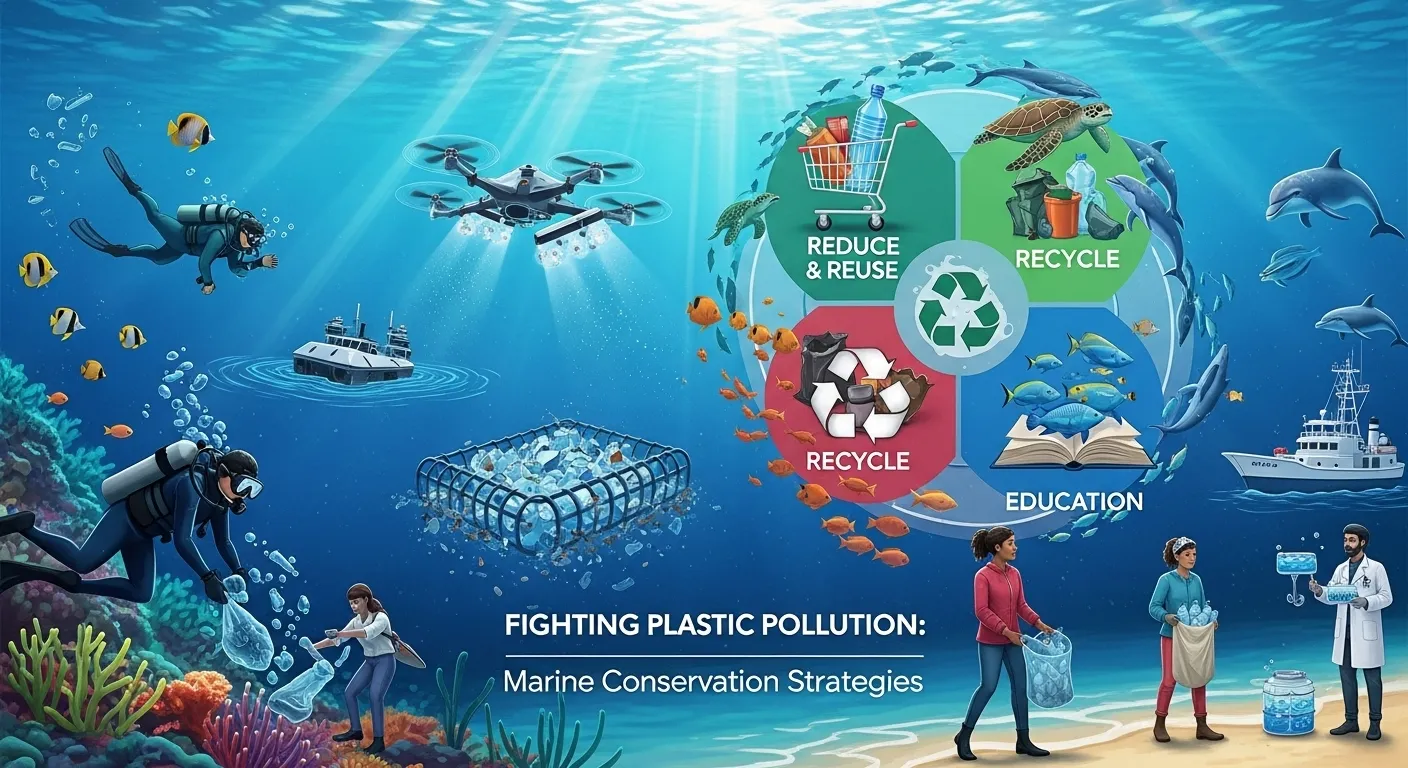
Naturepreservehub.com. New Zealand Bans Plastic Bags for Fresh Produce – Join us as we explore the latest environmental initiative – New Zealand bans plastic bags, taking a monumental step towards a greener future. We are thrilled to share news about New Zealand’s recent initiative to ban plastic bags specifically for fresh produce. This bold move by the government marks a significant step towards a more sustainable future and sets an example for other nations to follow in their pursuit of greener practices. The ban on plastic bags for fresh produce is a crucial step towards reducing plastic waste and protecting the environment. Plastic bags are one of the biggest contributors to pollution, causing harm to wildlife, and taking decades to break down in landfills and oceans. By implementing this ban, New Zealand is taking an important stand against the growing problem of plastic pollution. New Zealand Bans Plastic Bags Key Takeaways: New Zealand has banned plastic bags for fresh produce to reduce plastic waste. Plastic bags are harmful to the environment and take decades to break down in landfills and oceans. This move sets an example for other nations to follow in their pursuit of a greener future. Alternatives to plastic bags, such as reusable bags and compostable bags, are available for packaging fresh produce. Collective action is needed to protect the environment and combat plastic pollution. The Environmental Impact of Plastic Bags Plastic bags have become ubiquitous in our modern society, used for everything from carrying groceries to packaging fresh produce. However, their convenience comes at a significant cost to the environment, resulting in long-lasting and harmful impacts. The production and disposal of plastic bags contribute to pollution in various ways. Firstly, their manufacturing process involves the use of fossil fuels and the release of greenhouse gases. Secondly, when they’re discarded, they often end up in landfills or the natural environment, where they can take hundreds of years to decompose. As a result, they not only take up valuable space but also release harmful toxins into the soil and water. Plastic bags also pose a great threat to wildlife, particularly marine animals. They often mistake plastic bags for food, leading to ingestion and entanglement which can result in injury and death. Furthermore, the presence of plastic bags in oceans and waterways contributes to the formation of large, floating garbage patches, harming marine ecosystems and disrupting the food chain. “Every year, up to 1 trillion plastic bags are used and discarded worldwide, with devastating consequences for the environment and the wildlife that inhabits it.” Despite their harmful effects, plastic bags remain widely used due to their affordability and convenience. However, the good news is that there are many alternatives available that can mitigate their environmental impact. By making small changes in our daily lives, such as bringing reusable bags to the grocery store, we can lessen our contribution to plastic pollution and help to protect the planet for future generations. The Importance of Plastic Bag Reduction Reducing the use of plastic bags is crucial for the sustainability of our planet. Although it may seem like a small step, it can have a significant impact. By avoiding the use of plastic bags, we reduce the amount of waste generated and help to keep our environment clean and healthy. Additionally, by choosing alternative options, we support eco-friendly practices and encourage businesses and governments to take action against plastic pollution. New Zealand’s recent decision to ban plastic bags for fresh produce is a positive step towards a more sustainable future. It sets an example for other nations to follow and demonstrates the importance of collective action in protecting our planet. New Zealand’s Bold Move At the forefront of global efforts to combat plastic pollution, New Zealand has made a bold move to ban plastic bags. Specifically, the government has implemented a nationwide ban on single-use plastic bags for fresh produce, taking a significant step towards a more sustainable future. This move is a crucial part of New Zealand’s wider environmental initiative to reduce plastic waste and promote eco-friendly practices. By taking this step, the country sets an example for other nations to follow. The plastic bag ban is a culmination of a long-standing campaign by environmental groups and local communities. The government’s decision to implement the ban is a testament to the collective efforts by all stakeholders in New Zealand. This bold move demonstrates the country’s commitment towards reducing its environmental footprint, and we applaud their efforts. It is an inspiring example of how governments can take proactive measures to protect the planet. Plastic Bag Alternatives for Fresh Produce As New Zealand takes a bold step towards reducing plastic waste, one key area of focus is the use of plastic bags for fresh produce. Fortunately, there are a variety of eco-friendly alternatives available that can help reduce our reliance on single-use plastics. Reusable bags: One of the most popular alternatives to plastic bags are reusable bags made of materials like cotton, canvas, or mesh. These bags can be used for fruits and vegetables and can be easily washed and reused. Compostable bags: Compostable bags made from materials like cornstarch or vegetable matter are a great option for fresh produce. These bags are biodegradable and can be composted along with the produce scraps. Paper bags: If you prefer a disposable option, paper bags are a good choice. They are widely available, biodegradable, and can be recycled. It’s important to note that some supermarkets and grocery stores already offer these alternatives to plastic bags for fresh produce. However, consumers can also take the initiative to bring their own reusable bags or containers from home when shopping for fruits and vegetables. Keep Reading : How does Biodiversity Contribute to the Sustainability of an Ecosystem? Global Efforts to Combat Plastic Pollution Plastic pollution is a global problem that requires collaboration and concerted efforts from all nations. Many countries and organizations have taken significant steps to reduce plastic waste and promote sustainable practices. One notable initiative is the United Nations’ Clean Seas campaign, which aims to reduce marine pollution caused by plastic waste. The campaign has enlisted the support of more than 60 countries, as well as numerous private sector companies
Why Water Cycle is Important to Human
naturepreservehub.com. Why Water Cycle is Important to Human. an essential process for sustaining life and maintaining our ecosystems. Learn more on our site. The water cycle, also known as the hydrologic cycle, is a natural process that allows water to move continuously around the Earth. It involves various stages that include evaporation, condensation, precipitation, and runoff. This process is essential for the survival of all living organisms on Earth, including humans. Without the water cycle, life on Earth would not exist. Human beings, like all other species, rely on water for their survival. Water is necessary for various body functions, including digestion, circulation, and temperature regulation. Additionally, water is crucial for agriculture, industrial processes, and maintaining the cleanliness of our homes and environment. The water cycle is not only important for human survival but also for maintaining ecosystems and biodiversity. It ensures that water is distributed evenly throughout the planet, supporting the growth of plants and animals. It also helps to moderate the Earth’s temperature, acting as a natural cooling system. Key Takeaways: The water cycle is a natural process that allows water to move continuously around the Earth. It is essential for sustaining human life as water is necessary for various body functions and activities. The water cycle is crucial for maintaining ecosystems and biodiversity, ensuring the growth of plants and animals. It also helps to moderate the Earth’s temperature, acting as a natural cooling system. The water cycle is vital for human existence, and its preservation is crucial for a sustainable future. What Is The Water Cycle? Water is one of the most important substances on Earth. It is essential for all forms of life. Without water, there would be no life on Earth. The water cycle is the process that describes how water moves around on, above, and below the surface of the Earth. The water cycle has many important parts, including precipitation, evaporation, and transpiration. Precipitation is water that falls from the atmosphere to the Earth’s surface. This can happen in the form of rain, snow, sleet, or hail. Evaporation is when water on the Earth’s surface evaporates into the atmosphere. Transpiration is when water is released from plants into the atmosphere. The water cycle is important to human beings because we rely on water for many things. We use water for drinking, cooking, bathing, and irrigation. Irrigation is the process of watering crops. Without the water cycle, there would be no fresh water to drink or to water crops. The water cycle is also important because it helps to regulate the Earth’s temperature. The water cycle is a never-ending process that is always happening all around us. It is an important part of the Earth’s ecosystems and helps to keep life on Earth possible. Why Water Cycle is Important to Human The water cycle refers to the natural process of how water moves through the environment. Understanding this process is crucial in comprehending the significance of water in sustaining life on Earth. The water cycle consists of four main stages: evaporation, condensation, precipitation, and runoff. Evaporation occurs when water transforms from a liquid state to a gas due to heat from the sun. Condensation takes place when water vapor forms in the atmosphere and condenses into clouds. Precipitation occurs when moisture in the clouds falls back to the earth’s surface in the form of rain, snow, sleet, or hail. Runoff is the movement of water over land surfaces to rivers, lakes, or oceans, completing the cycle. “The water cycle is a beautiful process that ensures the continuity of life on Earth.” This natural process is essential for the survival of all living organisms, including human beings. It provides us with the water we drink, bathe in, and use for agriculture and industry. Understanding the water cycle is critical in managing and conserving water resources and ensuring sustainable practices. Processes That Make Up The Water Cycle The water cycle, also known as the hydrological cycle, consists of several processes that continuously move water between the Earth’s surface and the atmosphere. These processes include: 1. Evaporation This is the process by which water from oceans, lakes, rivers, and other surface waters is converted into water vapor due to heat from the sun. 2. Transpiration Plants absorb water through their roots and release water vapor into the atmosphere through tiny pores in their leaves called stomata. This is known as transpiration. 3. Condensation Water vapor in the atmosphere cools and changes back into liquid water droplets, forming clouds. This process occurs when moist air rises and encounters cooler air, causing the vapor to condense. 4. Precipitation Water falls from the atmosphere to the Earth’s surface in the form of rain, snow, sleet, or hail. This is the culmination of the water cycle, and it replenishes water in oceans, lakes, rivers, and on land. 5. Infiltration Precipitated water that reaches the ground can either flow over the surface (runoff) or seep into the ground. Infiltration is the process of water penetrating the soil and becoming groundwater. 6. Surface Runoff Water that does not infiltrate the soil may flow over the land surface and eventually find its way into rivers, lakes, or oceans. This runoff plays a crucial role in shaping landscapes. 7. Subsurface Flow Some water that infiltrates the soil moves below the surface, creating underground flows that contribute to the formation of groundwater. 8. Surface Water Storage Water accumulates in various surface reservoirs such as oceans, lakes, rivers, and ponds. These storage bodies play a vital role in maintaining a balance in the water cycle. These interconnected processes ensure a continuous movement and exchange of water between the Earth’s surface and the atmosphere, maintaining a dynamic equilibrium in the distribution of Earth’s water resources. Keep Reading : What is The Source of Energy in The Water Cycle? Importance of Understanding the Water Cycle By comprehending the water cycle, we can appreciate the interconnectedness of different ecosystems. It helps us to understand how our actions can impact the environment and the water cycle process. For example, deforestation can disrupt the water cycle
Can a Hamster Eat a Strawberry?
Can a Hamster Eat a Strawberry? – Hamsters are small, adorable creatures that make great pets. As pet owners, it is crucial to provide our furry friends with a balanced diet to ensure their overall health and well-being. One question that has been asked time and time again is, “Can a hamster eat a strawberry?” Strawberries are a popular fruit that is often enjoyed by humans, but can hamsters safely consume them? In this article, we will explore the potential benefits and risks associated with feeding strawberries to your hamster. We will also provide guidelines on safe feeding practices and alternative fruits that can be given to your furry friend. Key Takeaways Hamsters can consume strawberries, but it should be in moderation and with caution. Strawberries contain essential vitamins, minerals, and antioxidants that can contribute to a hamster’s overall health. Feeding strawberries to your hamster can potentially pose risks such as allergies or digestive issues. It is vital to practice safe feeding practices when introducing strawberries into your hamster’s diet. Alternative fruits such as apples, bananas, and blueberries are safe for hamsters to consume. Can a Hamster Eat a Strawberry? Many people believe that hamsters are only able to eat certain types of food, but the truth is that they are actually quite versatile when it comes to their diet. While there are some things that they should not eat, there are plenty of other items that are perfectly safe for them to consume. This includes fruits and vegetables, which are an important part of a healthy diet for any animal. So, can a hamster eat a strawberry? The short answer is yes, hamsters can eat strawberries. In fact, they can eat most fruits and vegetables, as long as they are properly prepared. This means that the fruit or vegetable should be washed thoroughly and cut into small pieces so that the hamster can easily eat it. Strawberries are a great option for hamsters because they are not only tasty, but they are also packed with nutrients. They are a good source of vitamins C and K, as well as fiber and folic acid. All of these nutrients are important for a healthy hamster. So, if you are looking for a healthy and delicious treat for your hamster, strawberries are a great option! Just make sure to wash them and cut them into small pieces so that your hamster can easily eat them. Can Hamsters Eat Strawberry Leaves? The answer is yes, but it is important to know that not all types of hamsters can eat strawberry leaves. Some species of hamsters are more prone to digestive issues and can get sick from eating the leaves. The best thing to do is to research your specific type of hamster to see if they can eat strawberry leaves. There are many benefits to feeding your hamster strawberry leaves. The leaves are a good source of fiber and vitamins A and C. They can also help keep your hamster’s teeth clean and healthy. If you do decide to feed your hamster strawberry leaves, it is important to give them in moderation. Too much can cause digestive problems. It is also important to make sure the leaves are fresh and free of pesticides. Can Hamsters Eat Strawberry Seeds? Most hamsters are able to eat small amounts of strawberry without any issues. However, the seeds of the strawberry can be a problem for some hamsters. If your hamster starts to show any signs of distress after eating a strawberry, it’s best to avoid giving them any more. The main concern with feeding hamsters strawberries is the seeds. Some of the seeds can be sharp and might cause an intestinal blockage if ingested. If your hamster does eat a strawberry seed, keep an eye on them for the next few days. Watch for signs of discomfort, such as decreased activity level or appetite, excessive gas, or straining to defecate. If you notice any of these signs, contact your veterinarian right away. In general, it’s best to avoid feeding your hamster any type of fruit seed. The seeds can be hard for them to digest and may cause intestinal issues. If you want to give your hamster a special treat, give them a small piece of fresh fruit instead. Nutritional Content of Strawberries for Hamsters Strawberries are a popular fruit around the world, known for their sweet taste and vibrant red color. They are also packed with vitamins and minerals that can be beneficial for humans and hamsters alike. Here are some of the key nutritional components of strawberries: Nutrient Amount per 100g of Strawberries Fiber 2g Calcium 16mg Phosphorus 31mg Potassium 153mg Vitamin C 58.8mg Folate 24mcg As you can see, strawberries are a good source of fiber, vitamin C, and potassium. These nutrients are essential for maintaining a hamster’s overall health. Fiber can aid in digestion, while vitamin C and potassium can help boost the immune system and promote healthy organ function. However, it is important to note that due to their high sugar content, strawberries should be fed to hamsters in moderation to avoid causing health issues such as obesity or diabetes. A suitable amount would be one or two small pieces per week. It is also recommended that you thoroughly wash strawberries before feeding them to your hamster, to remove any pesticides or other contaminants that may be present on the fruit. If you are unsure about whether or not to feed strawberries to your hamster, it is always best to consult with a veterinarian who can offer specific advice based on your pet’s individual needs and health concerns. How Much Strawberry Can a Hamster Eat This is a question that many people ask, and it turns out that the answer is yes! Hamsters can safely eat strawberries as part of a healthy, balanced diet. In fact, strawberries can be a great source of vitamins and antioxidants for your furry friend. So, how much strawberry can a hamster eat? A good
How Long Can a Penguin Hold Its Breath?
naturepreservehub.com. How Long Can a Penguin Hold Its Breath – Dive into the world of penguins and discover fascinating facts, like how long can a penguin hold its breath. Unveil this aquatic secret now! Have you ever wondered how long a penguin can hold its breath underwater? These fascinating creatures have adapted to their aquatic environment and developed impressive diving abilities. How Long Can a Penguin Hold Its Breath Penguins can hold their breath for an impressive amount of time underwater. Depending on the species, they can stay submerged for anywhere between 5 and 20 minutes. In this section, we will explore the specifics of penguins’ ability to hold their breath, uncovering the adaptations that make them such skilled divers. We will learn how they breathe while submerged, the factors that affect their breath-holding capacity, and compare their abilities to other animals known for their extraordinary underwater prowess. Key Takeaways: Penguins are exceptional divers with impressive breath-holding abilities. Their physical adaptations enable them to navigate underwater with ease. Penguins breathe through specialized lungs and can conserve oxygen efficiently. Factors such as species, dive duration, and depth can affect their breath-holding capacity. Penguins hold remarkable records for dive durations and can stay underwater for extended periods. The Adaptations of Penguins for Underwater Life When it comes to aquatic animals, penguins are among the most adapted for underwater life. Their physical characteristics enable them to dive to great depths, navigate currents, and catch prey with ease. Let’s take a closer look at the adaptations that make penguins such exceptional divers. Streamlined Bodies Penguins have a streamlined body shape, which reduces drag and allows them to move efficiently through the water. Their wings are modified into flippers, which they use to “fly” underwater. Specialized Lungs The respiratory system of penguins is highly adapted for diving. They have a larger heart and more extensive blood vessels than other birds, which allow them to store more oxygen. Additionally, their lungs are more massive and can collapse under pressure to prevent nitrogen from entering the bloodstream during deep dives. Waterproof Feathers Penguins have a thick layer of feathers that are tightly packed and coated with a waterproof oil. These feathers keep penguins warm and dry while diving, as well as helping them to move through the water with increased speed and agility. Transparent Eyelids One of the most unique adaptations of penguins is their transparent eyelids. These eyelids act as goggles, allowing penguins to see underwater while protecting their eyes from saltwater. Webbed Feet Penguins have webbed feet that act as paddles, enabling them to swim with great speed and agility. These webbed feet also allow them to change direction quickly and provide stability while diving. Overall, penguins are incredibly well adapted to their underwater habitat. These adaptations have enabled them to become master divers, capable of staying submerged for long periods and hunting prey with remarkable efficiency. Understanding Penguin Breathing Mechanism Penguins are uniquely adapted to their aquatic environment. Their respiratory system has evolved to enable them to efficiently obtain oxygen while diving underwater. Let’s take a closer look at the breathing mechanism of penguins. When penguins dive, they close their nostrils and rely on their lungs. The lungs are modified to store large amounts of oxygen, enabling them to hold their breath for long periods. Additionally, they have more extensive air sacs than other birds, allowing for efficient gas exchange. While underwater, penguins decrease their heart rate and constrict blood vessels to conserve oxygen. The oxygen stored in their blood and muscles enables them to power through lengthy dives without needing to resurface for air. The impressive breath-holding abilities of penguins are also due to the hemoglobin in their blood. Hemoglobin is a protein that binds to oxygen, which is then transported throughout the body. Unlike other mammals, penguins have a unique form of hemoglobin that is better suited to diving, with a higher oxygen affinity. The respiratory system of penguins is a testament to the incredible adaptations that have helped them thrive in their aquatic environment. By closing their nostrils and using specialized lungs and hemoglobin, they can hold their breath for remarkable durations and effectively hunt for food underwater. Factors Affecting Penguin Breath-Holding Capacity Various factors influence a penguin’s ability to hold its breath while diving. Understanding these factors helps to explain the variations in dive durations among different penguin species. The Effect of Diving Depth The deeper a penguin dives, the shorter the time it can hold its breath. This is because the increased pressure at greater depths compresses the penguin’s lungs, making it more difficult for the bird to inhale or exhale. Therefore, deeper dives require penguins to surface more frequently to replenish their oxygen supply. For example, Adelie Penguins, known for their deep dives, can hold their breath for up to six minutes at a depth of 60 meters but only two minutes at 160 meters. The Effect of Penguin Physiology Each penguin species has unique physiological adaptations that allow them to dive and hold their breath for extended periods. The size of a penguin, proportional to its body mass and metabolic rate, is a significant factor in determining its dive duration. Generally, larger penguins can hold their breath for longer periods than smaller ones. Emperor Penguins, the largest penguin species, can stay underwater for up to 22 minutes, while the Little Blue Penguin, the smallest, can only hold its breath for about 40 seconds. The metabolism of a penguin also affects its breath-holding capacity. Penguins with lower metabolic rates can conserve oxygen longer, enabling them to hold their breath for extended periods. For instance, King Penguins, with a lower metabolic rate than other species, can remain submerged for up to six minutes. The Effect of Penguin Dive Duration Simply put, the longer the dive, the shorter the penguin can hold its breath. King Penguins, for example, can hold their breath for six minutes during dives that last 2-3 minutes. However, if they dive for an average of
What is a Galaxy Actually? Know The Meaning and Definition
naturepreservehub.com. What is a Galaxy Actually? Know The Meaning and Definition – Discover the true meaning and definition of a galaxy in this informative article. Uncover the mysteries of the universe and learn all about What is a Galaxy Actually. Have you ever looked up at the night sky and wondered, “What is a Galaxy Actually?” If so, you’re not alone. Galaxies are some of the most intriguing and captivating objects in the cosmos, and understanding their true nature is a topic of great curiosity for many. In this comprehensive article, we will delve deep into the world of galaxies, providing you with all the information you need to grasp the meaning and definition of these celestial entities. What is a Galaxy? A galaxy is an immense, cosmic structure that serves as one of the fundamental building blocks of our universe. These colossal assemblies of stars, planetary systems, interstellar gas, dust, and dark matter are bound together by the force of gravity. Galaxies are the building blocks of the universe itself, and understanding their true nature is essential for comprehending the vast cosmic tapestry in which we exist. As we explore the concept of galaxies and delve deeper into the question “What is a Galaxy?” we find that these cosmic entities come in a variety of forms, and they play a crucial role in shaping the structure and evolution of the cosmos. Keep Reading : What Exactly is a Humanoid Mouse? Types of Galaxies Galaxies come in a wide range of shapes and sizes, and they are not all created equal. The most common types of galaxies include: 1. Spiral Galaxies Spiral galaxies are characterized by their distinct spiral arms that wind outward from a central core. The Milky Way, our home galaxy, is a prime example of a spiral galaxy. These galaxies are often teeming with vibrant star-forming regions, and they are known for their elegant, pinwheel-like appearance. 2. Elliptical Galaxies In stark contrast to the organized spiral structure, elliptical galaxies appear as elongated or nearly spherical blobs of stars. They are often older and contain a population of aging stars. These galaxies lack the dynamic spiral arms seen in their counterparts. 3. Irregular Galaxies As the name suggests, irregular galaxies do not conform to the structured patterns of spirals or ellipticals. Instead, they exhibit an unstructured, chaotic appearance. Irregular galaxies can vary greatly in size and shape, and they often result from gravitational interactions or disturbances from neighboring galaxies. Keep Reading : Fun Facts about Hamsters You Should Know Structure of a Galaxy To fully grasp “What is a Galaxy Actually,” it’s crucial to understand the typical structure of a galaxy. While the specific details can vary from one type to another, galaxies generally consist of several key components: Core At the center of a galaxy lies the core, a dense and often bustling region that may contain a supermassive black hole. The core is the gravitational anchor around which the rest of the galaxy revolves. Halo The halo is an extended, spherical region surrounding the core. It is typically composed of older stars and dark matter. Dark matter is an enigmatic substance that exerts gravitational influence but does not interact with light. Disk The disk is a flattened region that extends from the core, and it contains most of the galaxy’s stars. In spiral galaxies, this is where the graceful spiral arms are located. Arms (for spiral galaxies) In spiral galaxies, the arms are the most distinctive feature. They wind outward from the core and are the primary sites of active star formation. Irregular regions (for irregular galaxies) In irregular galaxies, there is no structured disk or arms. Instead, these galaxies have a patchy, uneven distribution of stars and other cosmic matter. Keep Reading : What is The Sun’s Role in The Water Cycle? What is Inside a Galaxy? Beyond their structural components, galaxies are filled with a rich array of celestial elements that contribute to their incredible diversity and beauty. These components include: Stars Galaxies can house anywhere from millions to trillions of stars. Each star is a self-contained fusion reactor that emits light and heat. Planets Planets, along with their moons and other celestial bodies, can orbit the stars within a galaxy. Our own solar system, with Earth and its neighbors, is an example of planetary systems within a galaxy. Nebulas Nebulas are vast, colorful clouds of gas and dust where stars are born. They can be found throughout galaxies, and they serve as cosmic nurseries for the birth of new stars. Black Holes Some galaxies contain supermassive black holes at their cores. These enigmatic cosmic objects possess immense gravitational pull and can influence the structure and dynamics of their host galaxies. Dark Matter Dark matter, though invisible and mysterious, comprises a significant portion of a galaxy’s total mass. Its presence is deduced by its gravitational effects on the visible matter within galaxies. Keep Reading : This is The Reasons Behind Why do Dogs Lick Their Nose? Galaxy Formation and Evolution The understanding of “What is a Galaxy Actually” is not complete without delving into the formation and evolution of these celestial giants. Galaxies, like all things in the universe, are not static entities; they undergo transformations over time. Galaxy Formation Theories The Big Bang Theory The prevailing theory of the universe’s origin, the Big Bang Theory, also provides insights into galaxy formation. According to this theory, galaxies began forming shortly after the Big Bang as the universe expanded and cooled. Hierarchical Galaxy Formation This theory suggests that galaxies formed through a hierarchical process, where smaller structures merged to create larger galaxies. It explains the diverse sizes and shapes of galaxies we observe today. Protogalactic Cloud Hypothesis This hypothesis posits that galaxies formed from massive clouds of gas and dust, known as protogalactic clouds, which collapsed under the influence of gravity. Galaxy Clusters Galaxies are not isolated in the cosmos. They often congregate in groups called galaxy clusters. These clusters are interconnected by gravitational
What does it Mean if a Bird Poops on You?
naturepreservehub.com. What does it Mean if a Bird Poops on You? – Have you ever wondered about the meaning behind a bird pooping on you? In this article, we’ll explore the fascinating beliefs, myths, and scientific explanations surrounding this peculiar occurrence. Find out if it’s just a random event or something more significant. What does it mean if a bird poops on you? It’s a question that has intrigued people for centuries. While some consider it nothing more than a random, albeit unpleasant, event, others believe that it carries deep symbolism and significance. In this article, we’ll delve into the various interpretations and theories surrounding the act of a bird leaving its mark on you. Is it just a matter of bad luck, or could there be more to it than meets the eye? Let’s explore the world of avian excrement and its curious implications. Biblical Meaning of Bird Pooping on You The biblical meaning of a bird defecating on a person is not explicitly addressed in the Bible, as it is a relatively mundane and common occurrence that can happen to anyone. The Bible does contain various references to birds and their symbolism, but they are generally more profound and not directly related to the act of bird droppings. In the Bible, birds are mentioned in various contexts, and their symbolism can vary. For example, doves are often seen as symbols of peace and purity, while ravens can be associated with God’s provision, as demonstrated in the story of Elijah being fed by ravens. In the Old Testament, the act of releasing birds as sacrifices or offerings was part of certain rituals. When it comes to bird droppings, there is no specific biblical interpretation or meaning attached to this occurrence. However, in the context of the Bible’s broader themes, one could consider some general principles: Ceremonial Cleanliness: The Old Testament contains numerous laws related to cleanliness and purification. If a person were to be soiled by bird droppings, they might need to undergo a ritual cleansing to maintain ceremonial purity. This reflects the importance of cleanliness in the religious practices of the time. The Unpredictability of Life: The Bible often emphasizes the unpredictability of life and the importance of remaining vigilant and prepared for unexpected events. Bird droppings, being a random and unexpected occurrence, could be seen as a reminder of life’s uncertainty and the need to adapt to unforeseen circumstances. Seeking Guidance and Signs: In some instances, people in biblical stories sought signs or guidance from God through natural events, such as the flight patterns of birds. While this is not directly related to bird droppings, it reflects the idea that people in biblical times sometimes looked to nature for signs and messages. While the Bible does not offer a specific meaning or interpretation for the act of a bird defecating on a person, one can view such an event through the broader biblical themes of ceremonial cleanliness, the unpredictability of life, and seeking guidance from God. Ultimately, it is essential to consider the context and the specific passage when interpreting symbolism and meanings in the Bible, as many aspects of the text are open to various interpretations. What Does it Mean if a Bird Poops on You Have you ever found yourself in the curious situation of having a bird’s droppings land on you? It’s a moment that often leads to a range of emotions, from surprise to annoyance, and perhaps even a touch of superstition. But what does it truly mean if a bird decides to use you as its target for this rather unconventional form of “blessing”? In this article, we will dive deeper into the world of bird droppings and explore the various beliefs, myths, and scientific explanations behind this intriguing occurrence. The Myths and Superstitions Bird droppings have held a place in the realm of superstitions for centuries, with interpretations varying widely among cultures and regions. Some view it as a sign of good fortune and luck, while others consider it a bad omen. Let’s take a closer look at some of these beliefs: Good Luck: In certain cultures, a bird pooping on you is seen as a symbol of good luck and prosperity. It’s believed that the event brings unexpected positive changes into your life, akin to a fortuitous twist of fate. Bad Luck: Conversely, some cultures regard this occurrence as a harbinger of misfortune. People who believe in this superstition may take it as a warning to be cautious and avoid making important decisions. The Number of Drops: There’s also a belief that the number of droppings and the location on your body carry specific meanings. For instance, if a bird drops just once, it could indicate a minor stroke of good or bad luck. Multiple droppings might suggest more significant events on the horizon. The Scientific Explanation While superstitions and myths make for intriguing stories, a more grounded explanation lies in the realm of science. Birds, like all animals, have biological processes that result in waste elimination. Here are some scientific factors to consider: Dietary Influence: Birds eat a variety of foods, and their diets can affect the composition of their droppings. Seeds, fruits, insects, and other dietary elements all contribute to the consistency and color of the droppings. Digestive System: A bird’s digestive system is efficient but also rapid. This means that food moves quickly through their system, resulting in frequent waste elimination. Birds are not particularly selective when it comes to where they relieve themselves, so being in the wrong place at the wrong time can result in a surprise shower. Flight Patterns: When a bird is in flight, it may drop waste as it moves. If you happen to be underneath, well, you know the rest. The Randomness of Nature It’s essential to remember that birds don’t possess the ability to aim or target individuals when they poop. It’s a matter of chance and coincidence. Birds, like other creatures, merely follow their biological processes, and they
International Corgi Day 2024: Ways to Celebrate it
International Corgi Day 2024: Ways to Celebrate it – Get ready for the fluffiest day of the year! Discover all you need to know about International Corgi Day 2024, with exciting activities, fun facts, and adorable Corgis galore. If you’re a fan of corgis, then mark your calendars for International Corgi Day 2024! This annual event is dedicated to celebrating one of the most adorable dog breeds in the world. Whether you own a corgi or simply appreciate them from afar, there are many ways to join in on the fun and celebrate this beloved breed. Key Takeaways: International Corgi Day is a dedicated day to celebrate the corgi breed. The event occurs annually and the next one will be in 2024. There are a variety of ways to celebrate International Corgi Day 2024, including organizing meetups or participating in online events. Corgi enthusiasts can connect with others who share their love for the breed through online forums or social media groups. Fun activities for International Corgi Day 2024 include hosting a corgi-themed party or participating in corgi races. What is International Corgi Day? International Corgi Day is a global celebration of the beloved corgi breed that takes place every year on April 6th. This day provides an opportunity for corgi enthusiasts around the world to come together and share their love for these adorable dogs. The event was first established in 2014 by a group of corgi-loving individuals who wanted to create a special day to honor and celebrate these loyal, affectionate, and playful four-legged companions. The popularity of International Corgi Day has continued to grow each year, with more and more corgi owners, breeders, and enthusiasts participating in events and activities to mark the occasion. Whether you own a corgi or simply admire the breed, International Corgi Day is the perfect day to connect with fellow corgi lovers and celebrate the unique bond between humans and their furry best friends. History of International Corgi Day International Corgi Day is not an established holiday with a long history; it is a relatively recent celebration that has gained popularity among dog enthusiasts and, in particular, fans of the charming Welsh Corgi breed. While there isn’t a precise historical account of the holiday’s origin, I can provide some context regarding its emergence and significance. The Welsh Corgi, known for its short legs, long body, and distinct appearance, has garnered a dedicated and passionate following worldwide. They have become particularly popular on social media, where photos and videos of these lovable dogs often go viral. As a result, Corgi enthusiasts decided to create a day to celebrate these unique and endearing canines. The first known mentions of an “International Corgi Day” can be traced back to online communities and social media platforms in the early 2010s. These communities, especially on platforms like Instagram, began using hashtags like #InternationalCorgiDay to share their Corgi-related content on a specific day, typically observed on June 4th. As these online celebrations gained traction, the idea of a dedicated day for Corgis began to spread, and Corgi owners and lovers started to organize events and activities to honor their furry friends. These events include Corgi meet-ups, charity fundraisers, and simply sharing photos and videos of Corgis across various social media platforms. The goal was to bring Corgi enthusiasts together and promote the breed while also raising awareness about responsible pet ownership and animal welfare. Since it is not an officially recognized holiday, International Corgi Day has no fixed traditions or specific customs associated with it. Instead, it is a day for people to come together and celebrate their love for Corgis, whether through online posts, community events, or simply spending quality time with their Corgi companions. Over the years, International Corgi Day has continued to gain popularity, thanks to the power of social media and the dedicated efforts of Corgi enthusiasts. The day has become an opportunity for Corgi owners and lovers to connect, share their passion, and, in some cases, promote adoption and responsible breeding practices for this beloved breed. Fun Facts about Corgis Here are some fun facts about Corgis: Two Corgi Breeds: Corgis come in two distinct breeds: the Pembroke Welsh Corgi and the Cardigan Welsh Corgi. The most noticeable difference between them is their tails. Pembroke Corgis typically have shorter tails or are born without tails, while Cardigan Corgis have long, bushy tails. Low to the Ground: Corgis have short legs and a long body, which is a unique feature that makes them look like they’re perpetually squatting. This adorable physique is a result of their dwarfism gene. Herding Heritage: Both Pembroke and Cardigan Corgis were originally bred in Wales for herding cattle and other livestock. Their low stature allowed them to nip at the heels of cattle without getting kicked. Queen Elizabeth II’s Companions: Queen Elizabeth II of the United Kingdom is a famous Corgi lover. She has owned more than 30 Pembroke Welsh Corgis during her reign. Her love for these dogs has contributed to their popularity. Intelligent and Eager to Please: Corgis are highly intelligent and trainable dogs. They excel in obedience training and can learn a variety of commands quickly. Their desire to please their owners makes them excellent companions. Sploot: Corgis are known for a unique sitting position called “the Corgi sploot.” This is when they splay their hind legs out behind them while keeping their front legs forward. It’s both adorable and practical for cooling down on hot days. Vocal Breeds: Corgis are known for being vocal and may bark or “talk” to communicate their wants or needs. They can be quite talkative and expressive. Stubborn Streak: While they are intelligent, Corgis can also be a bit stubborn at times. They may choose to do things their own way, especially if they think they know better. Loyal and Affectionate: Corgis are incredibly loyal and form strong bonds with their owners. They are affectionate and love to be part of the family, often following their owners around the
How does Biodiversity Contribute to the Sustainability of an Ecosystem?
How does Biodiversity Contribute to the Sustainability of an Ecosystem? – Discover the vital role biodiversity plays in sustaining ecosystems. Explore the impact of diverse life forms on ecological balance and resilience. Introduction Biodiversity, often referred to as the variety of life on Earth, is a fundamental component of ecosystems. It encompasses the multitude of species, their genetic diversity, and the complex interactions they engage in within their environments. In this article, we delve into the intriguing world of biodiversity and its pivotal role in ensuring the sustainability of ecosystems. The Significance of Biodiversity Biodiversity is the cornerstone of ecosystem health and vitality. Here’s why it matters: Ecosystem Stability Biodiversity enhances ecosystem stability by reducing the risk of catastrophic events. Diverse species have varying responses to environmental changes, ensuring that ecosystems can adapt to disturbances more effectively. Nutrient Cycling A diverse range of organisms contributes to nutrient cycling. Each species has a unique role in breaking down organic matter, recycling nutrients, and maintaining the equilibrium of essential elements. Pest Control Natural predators and parasites thrive in biodiverse ecosystems, helping control pest populations without the need for harmful chemicals. Resilience to Environmental Changes Ecosystems with higher biodiversity are more resilient in the face of environmental changes such as climate shifts or pollution, ensuring their long-term survival. How does Biodiversity Contribute to the Sustainability of an Ecosystem? Biodiversity contributes to ecosystem sustainability in various ways: 1. Enhanced Productivity Enhanced productivity is one of the most compelling reasons why biodiversity is crucial for the sustainability of ecosystems. This phenomenon can be likened to a symphony, where each species plays a unique note, contributing to the harmonious and bountiful orchestra of nature. The Mechanism Imagine an ecosystem as a complex machine, with every species serving as a cog in the intricate gears. When this machine is well-oiled with biodiversity, it operates at peak efficiency. Here’s how enhanced productivity works: Niche Specialization: Each species within an ecosystem has a specific role or niche. Some species are expert pollinators, others are adept decomposers, and some are top predators. These niches minimize competition for resources and maximize resource utilization. Complementary Functions: Biodiversity ensures that the functions carried out by various species are complementary. For instance, while one species may excel at nitrogen fixation, another might specialize in carbon sequestration. Together, they optimize nutrient cycling and ecosystem health. Ecosystem Engineers: Some species act as ecosystem engineers, altering the physical environment in ways that benefit others. For example, beavers create wetlands that provide habitats for various species and increase water retention in an area. The Benefits The results of enhanced productivity in biodiverse ecosystems are profound: 1. Increased Biomass Production Diverse ecosystems tend to produce more biomass, which includes plants and animals. This surplus of organic material forms the basis of food chains, supporting a wide range of species. 2. Stability and Resilience Highly productive ecosystems are better equipped to recover from disturbances. If one species is affected by a disease or environmental change, others can compensate, maintaining overall ecosystem stability. 3. Human Benefits Enhanced productivity in ecosystems translates into tangible benefits for humans. These ecosystems provide more resources like food, timber, and medicinal plants. Moreover, they offer natural services such as clean air, water purification, and flood control, which are essential for our well-being. 4. Cultural and Aesthetic Value Biodiverse ecosystems often hold cultural and aesthetic value. They are places of beauty, recreation, and inspiration, fostering a deeper connection between people and the natural world. Conservation Efforts Recognizing the importance of enhanced productivity in biodiverse ecosystems, conservation efforts have gained momentum. Conservationists work tirelessly to protect and restore these ecosystems, ensuring the continued flow of benefits to both nature and society. 2. Improved Ecosystem Services Ecosystem services are the multitude of benefits that ecosystems provide to both the environment and human society. These services, which range from purifying air and water to regulating climate and providing food, are essential for the well-being and sustainability of life on Earth. Biodiversity plays a central role in enhancing these services. 3. Disease Regulation Disease regulation is a crucial ecosystem service provided by biodiversity, often overlooked but of immense significance. Biodiverse ecosystems act as natural barriers against the spread of diseases, safeguarding the health of species within them, including humans. 4. Genetic Diversity Genetic diversity is a cornerstone of biodiversity, and it is often described as the raw material for evolution. It refers to the variety of genetic characteristics within and between species. This diversity plays a pivotal role in ensuring the sustainability and adaptability of ecosystems. FAQs Q: What is biodiversity? A: Biodiversity refers to the variety of life forms on Earth, including species diversity, genetic diversity, and ecosystem diversity. Q: How does biodiversity affect ecosystem stability? A: Biodiversity enhances stability by increasing resilience to disturbances and reducing the risk of catastrophic events. Q: Can biodiversity improve pest control in agriculture? A: Yes, diverse ecosystems support natural predators and parasites that control pest populations, reducing the need for pesticides. Q: Why is genetic diversity important for ecosystem sustainability? A: Genetic diversity allows species to adapt to changing conditions, ensuring the long-term viability of ecosystems. Q: What are ecosystem services provided by biodiversity? A: Biodiverse ecosystems offer services such as clean water, air purification, and pollination, benefiting both nature and humans. Q: How does biodiversity contribute to disease regulation? A: Biodiversity can limit disease transmission by regulating host populations and interrupting disease cycles. Conclusion Biodiversity is not merely a buzzword; it is the lifeblood of our ecosystems. Its intricate web of interactions and contributions ensures the sustainability of our planet. From enhancing productivity to regulating diseases, biodiversity’s value cannot be overstated. As stewards of the Earth, it’s our responsibility to protect and conserve this invaluable resource for the benefit of current and future generations.
What Exactly is a Humanoid Mouse?
What Exactly is a Humanoid Mouse? Discover the fascinating world of humanoid mice in this comprehensive guide. Learn about What Exactly is a Humanoid Mouse? and delve into their unique features, functions, and applications. In the ever-evolving world of technology, the term “Humanoid Mouse” has been gaining significant attention. This innovative creation represents a fusion of human-like characteristics with the functionality of a computer mouse, opening up a world of possibilities for improved human-computer interactions and gaming experiences. Humanoid Mouse A humanoid mouse is not your typical computer accessory; it’s a revolutionary concept designed to enhance user experiences and bring a touch of the future to our fingertips. This ingenious device is characterized by several unique features that set it apart from conventional mice. The Anatomy Picture a computer mouse infused with human-like traits. It boasts a streamlined, ergonomic design that fits snugly in your hand, ensuring comfort during prolonged use. The exterior materials mimic human skin, providing a lifelike tactile sensation. Buttons are replaced by touch-sensitive areas that respond to the gentlest of taps, adding an element of sophistication to the device. The Sensory Marvel One of the standout features of a humanoid mouse is its array of sensors that replicate human senses. It can detect temperature, humidity, and even respond to your emotions. This means that the mouse can adapt to your needs, creating a personalized computing environment that’s second to none. The Intuitive Interface Navigating through your digital world becomes a breeze with a humanoid mouse. Its intuitive interface allows you to control your computer effortlessly through simple gestures and voice commands. Imagine scrolling through web pages with a flick of your wrist or opening applications with just a voice command. It’s a leap forward in terms of user-friendliness. A Glimpse into the Future Humanoid mice are not just limited to improving your daily computing tasks. They hold tremendous potential in various domains, including gaming and healthcare. Gaming Revolutionized Gamers, rejoice! The introduction of humanoid mice has ushered in a new era of gaming experiences. With its precise motion tracking and emotion-sensitive capabilities, these mice can enhance immersion in virtual worlds like never before. Imagine your in-game character mirroring your real emotions – that’s the promise of a humanoid mouse. Healthcare Applications In the healthcare sector, humanoid mice are proving to be invaluable tools. Their ability to sense temperature and humidity makes them ideal for monitoring patient comfort in hospital rooms. Furthermore, these devices can help individuals with mobility impairments interact with computers and communicate more effectively, thus improving their quality of life. What is humanized mouse model? A humanized mouse model, in the realm of biomedical research, is a specialized laboratory mouse that has been genetically engineered or modified to possess certain human genes, cells, tissues, or immune system components. These modifications are made to make the mouse more closely resemble a human in specific aspects, allowing scientists to study human diseases, immune responses, and therapeutic treatments in a controlled and ethical manner. The key purpose of creating humanized mouse models is to gain insights into human biology and diseases. Researchers can use these models to: Study Human Diseases: By introducing human genes or tissues into the mouse, scientists can mimic human diseases more accurately. This aids in understanding disease mechanisms and testing potential treatments. Evaluate Drug Efficacy: Humanized mice are used in preclinical drug development to assess the safety and efficacy of new pharmaceutical compounds. This step is crucial before advancing to human clinical trials. Investigate Immune Responses: Since humanized mice have human immune components, they are valuable for studying immune system interactions, vaccine development, and responses to infections. Personalized Medicine: Humanized mice can be tailored to carry a patient’s own cells, enabling personalized medicine research and treatment testing. In summary, a humanized mouse model serves as a valuable tool in biomedical research, bridging the gap between basic scientific discoveries and potential clinical applications by allowing scientists to explore and manipulate human biology within a controlled experimental setting. What is the purpose of the humanized mouse? The purpose of the humanized mouse is to serve as a valuable and versatile tool in biomedical research. Humanized mice are created by introducing human genes, cells, tissues, or immune components into laboratory mice. These specialized mice have several important purposes: Disease Research: Humanized mice are used to study human diseases in a controlled laboratory setting. By mimicking human conditions more closely, researchers can better understand disease mechanisms, progression, and potential treatments. This aids in the development of new therapies and drugs. Drug Development: Humanized mice play a crucial role in preclinical drug testing. They are used to evaluate the safety and efficacy of new pharmaceutical compounds before they advance to human clinical trials. This helps identify promising drug candidates and reduces the risk associated with human trials. Immunology Studies: Humanized mice are especially valuable for immunology research. With human immune system components, they can be used to investigate immune responses, vaccine development, and the interactions between the immune system and pathogens or cancer cells. Personalized Medicine: Humanized mice can be customized to carry a patient’s own cells or immune components. This allows researchers to explore personalized treatment approaches, which can be particularly relevant in cancer research and treatment. Transplantation and Regenerative Medicine: Humanized mice are used to study organ transplantation and regenerative medicine. Researchers can transplant human cells or tissues into these mice to investigate transplant rejection, organ regeneration, and tissue engineering. Infectious Disease Research: Humanized mice are employed to study infectious diseases caused by viruses, bacteria, or parasites. They provide a platform for testing antiviral drugs and vaccines and understanding the pathogenesis of infections. Cancer Research: These mice are used to study various aspects of cancer, including tumor growth, metastasis, and the development of targeted therapies. Humanized mice with patient-derived cancer cells can help tailor treatment strategies. Conclusion In a world where technology is continuously evolving, the humanoid mouse stands as a testament to human ingenuity and innovation. This groundbreaking device not only simplifies our daily
How Long Does it Take to Install Solar Panels?
How Long Does it Take to Install Solar Panels? Discover the detailed process of solar panel installation, including timeframes, FAQs, and expert insights. Learn everything about “How Long Does it Take to Install Solar Panels?” Installing solar panels is a smart choice for both the environment and your wallet. However, one common question that arises is, “How long does it take to install solar panels?” In this comprehensive guide, we will break down the entire process, step by step, and provide you with a clear understanding of what to expect. Let’s shed some light on the timeline of solar panel installation. The Solar Panel Installation Process Site Assessment and Planning Before diving into the installation process, a thorough site assessment and planning stage are crucial. This involves evaluating your property’s suitability, including factors like roof condition, shading, and orientation. An experienced solar installer will conduct these assessments, ensuring the solar panels are optimally placed. Design and Permitting Once the assessment is complete, the next step is designing your solar panel system. This design considers your energy needs, available space, and system components. After finalizing the design, the installer will obtain the necessary permits from local authorities, which can take a few weeks. Material Procurement To ensure a smooth installation, all required materials, including solar panels, inverters, and mounting hardware, need to be procured. This process generally takes one to two weeks, depending on product availability. Installation Day The actual installation day is when the solar panels are mounted on your roof or property. This step typically takes one to three days, depending on the system’s complexity and the size of your installation crew. Electrical and Grid Connection After the panels are installed, the electrical components are connected, and the system is integrated into the grid. This step may take up to two days, as it involves electrical work and inspections. Testing and Commissioning Once everything is connected, the system undergoes rigorous testing to ensure it functions optimally. This may require another day or two to complete. How Long Does it Take to Install Solar Panels? In total, the installation process can range from a few weeks to a couple of months. However, it’s important to note that these timeframes can vary based on several factors, including the complexity of your installation and local permitting regulations. To get a precise estimate, consult with your chosen solar installer. What to expect after installing solar panels? After installing solar panels on your property, there are several things you can expect in terms of benefits, responsibilities, and considerations: Reduced Electricity Bills One of the most significant benefits of solar panel installation is a reduction in your electricity bills. Solar panels generate electricity from sunlight, which can offset a significant portion of your energy consumption. You may even produce surplus electricity that can be credited or sold back to your utility company, further reducing your bills. Return on Investment (ROI) Over time, your solar panels can pay for themselves through energy savings and potential financial incentives. Depending on your location and the size of your solar installation, you can expect to see a return on your investment within several years. Environmental Benefits Solar panels are a clean and renewable energy source, which means you’ll be reducing your carbon footprint and contributing to a more sustainable future. Using solar energy helps decrease greenhouse gas emissions and lessens your reliance on fossil fuels. Tax Credits and Incentives Many regions offer tax credits, rebates, or incentives for solar panel installations. These financial incentives can help offset the upfront cost of your solar system, improving your ROI. Net Metering If your area has net metering policies, you can expect to take advantage of them. Net metering allows you to send excess electricity generated by your solar panels back to the grid, earning credits on your utility bill. This can further reduce your energy costs. Maintenance Solar panels generally require minimal maintenance. Regular cleaning to remove dust and debris and occasional inspections are usually sufficient to keep your system running efficiently. Inverter replacements may be needed over the life of the system, but these are relatively straightforward. Increased Home Value Solar panels can increase the resale value of your property. Many homebuyers appreciate the lower energy bills and eco-friendly aspects of a solar-powered home. Energy Independence By generating your electricity, you become less reliant on external energy sources, reducing your vulnerability to rising energy costs and potential power outages. Longevity Solar panels have a long lifespan, often lasting 25 years or more. Many manufacturers offer warranties to ensure the performance and durability of their panels. System Monitoring Modern solar installations often include monitoring systems that allow you to track energy production and system performance. This data can help you optimize your energy usage and identify any issues with your solar system. Local Regulations Be aware of any local regulations or requirements related to solar panel installations. This may include periodic inspections or compliance with specific building codes. Insurance and Homeowners Association (HOA) Approval Check with your insurance provider to ensure your solar panels are adequately covered. If you live in a community with an HOA, you may need their approval for the installation. Upkeep of Trees and Shade If you have trees near your solar panels, you may need to trim branches to prevent shading, which can reduce panel efficiency. Energy Consumption Changes Monitor your energy consumption patterns. As you generate more of your electricity from solar panels, you might find it tempting to use more energy. Be mindful of your energy usage to maximize savings. Overall, installing solar panels can lead to significant financial savings, environmental benefits, and increased energy independence. However, it’s essential to stay informed about the operation and maintenance of your solar system and take advantage of available incentives and policies to maximize the benefits of solar energy. Keep Reading : Do solar panels need direct sunlight Can you put solar panels on a metal roof Frequently Asked Questions (FAQs) Are solar panels worth the