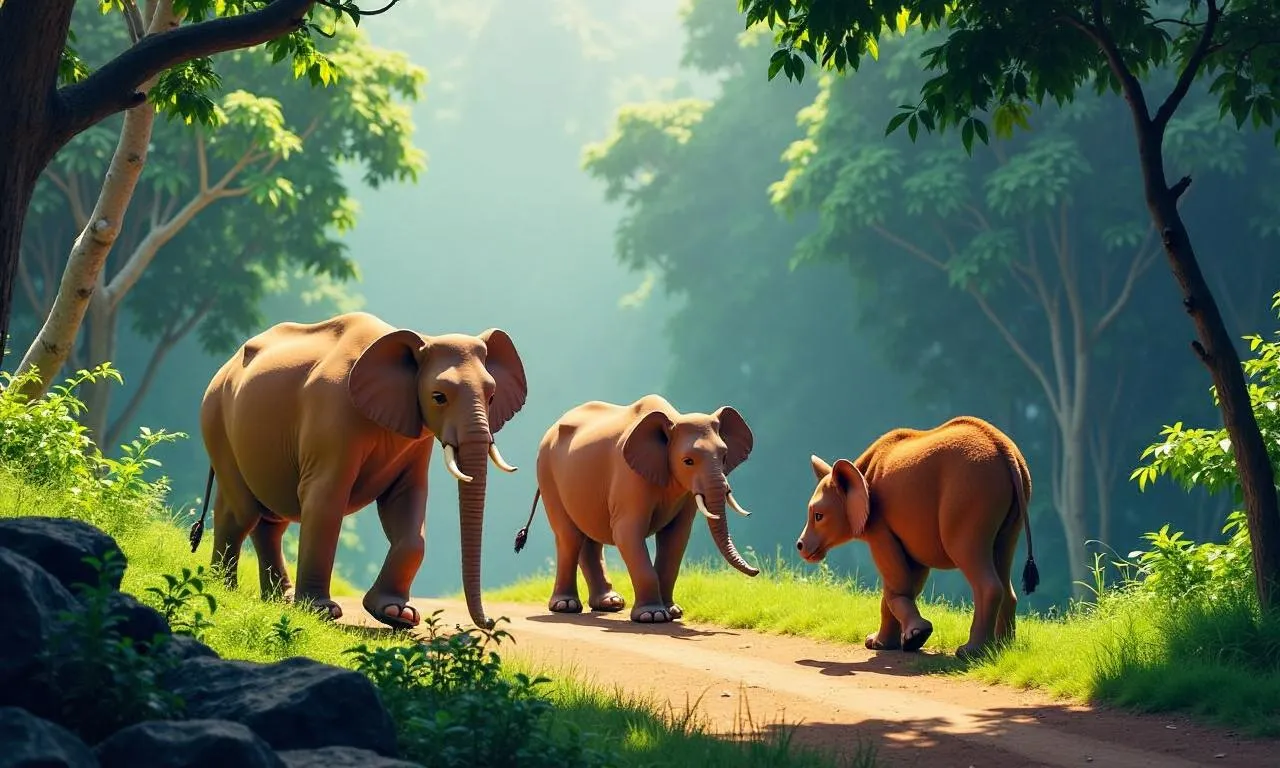
Threats to Freshwater Habitats: Key Environmental Challenges Freshwater habitats, such as rivers, lakes, and wetlands, are vital ecosystems that support a wide range of biodiversity and provide essential resources for human populations. However, these ecosystems are under constant pressure from various threats to freshwater habitats. From pollution and over-extraction of water to climate change and invasive species, the challenges facing freshwater environments are both complex and multifaceted. As global demand for water continues to rise, it is crucial to understand the root causes of these threats and their long-term implications for ecological balance and human well-being. This article explores the key environmental challenges impacting freshwater habitats, highlights their consequences, and discusses potential solutions to mitigate these issues. Pollution and Contamination Pollution is one of the most pervasive threats to freshwater habitats, threatening the health of both aquatic life and human communities that depend on these resources. The sources of pollution are varied, ranging from industrial discharges to agricultural runoff, and each contributes to the degradation of water quality in unique ways. Industrial activities, such as manufacturing and mining, release toxic chemicals into waterways, often through untreated wastewater. These pollutants, including heavy metals and synthetic compounds, can accumulate in the sediment and water, leading to long-term damage. For instance, heavy metal contamination from factories has been linked to the decline of fish populations in rivers near industrial zones. The contaminants such as lead and mercury not only harm aquatic organisms but also pose risks to human health through the consumption of contaminated fish. Agricultural runoff is another major contributor to water pollution. The use of fertilizers, pesticides, and herbicides in farming leads to nutrient overload in freshwater systems. This phenomenon, known as eutrophication, causes algal blooms that deplete oxygen levels in the water, leading to the death of fish and other aquatic species. The excess nutrients from fertilizers can also create dead zones in lakes and rivers, where life is nearly impossible. In addition to point-source pollution, non-point-source contamination from everyday activities, such as vehicle emissions and household waste, further compounds the problem. These sources release pollutants like oil, grease, and organic waste into the environment, which can contaminate water supplies and disrupt natural processes. Addressing pollution requires a combination of stricter regulations, better waste management practices, and public awareness campaigns. 1.1. Industrial and Agricultural Runoff Industrial runoff is a significant threat to freshwater habitats, with factories and power plants releasing harmful substances into nearby water bodies. For example, chemical discharges from textile and pharmaceutical industries have been found in rivers in Southeast Asia, affecting local aquatic species. Agricultural runoff, on the other hand, is often exacerbated by intensive farming practices. The excessive use of nitrogen-based fertilizers leads to nutrient loading, which disrupts the natural balance of ecosystems. A study published in Environmental Science & Technology highlights that agricultural activities contribute over 70% of nutrient pollution in U.S. waterways, leading to harmful algal blooms and oxygen depletion. Both types of runoff can be mitigated through best management practices, such as installing filtration systems in industrial facilities and adopting sustainable farming techniques. These measures help reduce the flow of pollutants into freshwater habitats, preserving their ecological integrity. 1.2. Plastic Waste and Microplastics Plastic waste has become an invisible threat to freshwater ecosystems, with microplastics now found in the smallest organisms to the largest fish. Plastic pollution enters waterways through improper disposal, stormwater runoff, and industrial processes, accumulating over time and causing long-term damage. Microplastics, tiny fragments of plastic less than 5 millimeters in size, are particularly concerning. These particles are ingested by aquatic organisms, leading to physiological harm and potential bioaccumulation in the food chain. For example, zooplankton in freshwater lakes have been found to absorb microplastics, which can then be passed on to larger fish and even humans through consumption. The long-term impact of plastic waste on freshwater habitats includes the disruption of natural habitats and the entanglement of aquatic life. Solutions involve improving waste management systems, promoting biodegradable materials, and implementing policies to reduce single-use plastics. 1.3. Chemical Contaminants and Pesticides Chemical contaminants, including pesticides and herbicides, pose a direct threat to freshwater habitats by poisoning aquatic organisms and altering water chemistry. Pesticides, such as glyphosate and atrazine, are commonly used in agriculture and can seep into groundwater and surface water, affecting both plant and animal life. The toxic effects of these chemicals are not limited to immediate harm. Prolonged exposure can lead to long-term ecological imbalances, such as the decline of native species and the proliferation of invasive ones. A report by the United Nations Environment Programme notes that pesticide runoff is a primary cause of water quality degradation in freshwater systems worldwide. Mitigating chemical contamination requires regulatory frameworks and public education. For instance, integrated pest management practices and buffer zones around water bodies can significantly reduce the flow of harmful chemicals into ecosystems. Habitat Destruction and Alteration The physical alteration of natural landscapes is another critical threat to freshwater habitats, often driven by human expansion and land use changes. Wetlands, rivers, and lakes are being converted into agricultural fields, urban areas, and industrial sites, leading to the loss of biodiversity and disruption of ecological processes. Urbanization is a major driver of habitat destruction. As cities expand, natural waterways are channelized, and wetlands are drained to make space for buildings and infrastructure. This alteration of water flow can lead to the loss of critical habitats for fish, amphibians, and invertebrates. For example, the conversion of wetlands into residential areas in the United States has reduced the availability of breeding grounds for migratory birds and other wildlife. Deforestation also plays a role in degrading freshwater habitats. When forests are cleared, the loss of vegetation increases soil erosion, leading to sedimentation in rivers and lakes. This sediment buildup can smother aquatic life and reduce water clarity, affecting photosynthesis and the growth of aquatic plants. Additionally, deforestation disrupts hydrological cycles, altering the natural flow of water and reducing the availability of clean water for both humans and wildlife. The long-term consequences
Why Mycorrhizal Fungi Are Essential for Tree Health
# Why Mycorrhizal Fungi Are Essential for Tree Health The importance of mycorrhizal fungi for trees cannot be overstated. These microscopic organisms form a critical symbiotic relationship with the roots of most tree species, enhancing their ability to absorb nutrients, retain water, and resist diseases. In fact, over 90% of plant species rely on mycorrhizal associations for survival, making them an invisible yet vital component of forest ecosystems. From improving soil structure to facilitating communication between trees, mycorrhizal fungi play a multifaceted role in maintaining tree vitality. Understanding their function is essential for anyone interested in sustainable forestry, agriculture, or environmental science. This article explores how these fungi support tree health, their diverse benefits, and why their preservation is crucial for the planet’s future. ## The Symbiotic Relationship Between Trees and Mycorrhizal Fungi ### 1. How the Symbiosis Works Mycorrhizal fungi form a mutualistic partnership with tree roots, creating a network that extends the plant’s root system. This network, often referred to as the "wood-wide web," enables trees to access nutrients and water more efficiently. The fungi, in turn, receive carbohydrates from the tree through photosynthesis. This exchange is not just a simple transaction but a dynamic interaction that can span decades. Studies have shown that trees can communicate through fungal networks, sharing resources and warning neighboring plants of threats like drought or insect infestations. The process begins when fungal spores germinate near tree roots. The hyphae (thread-like structures) of the fungi then penetrate the root cells, forming specialized structures called arbuscules that facilitate nutrient transfer. This symbiosis is especially crucial in nutrient-poor soils, where mycorrhizal fungi act as a natural extension of the tree’s root system, increasing its surface area exponentially. Without this partnership, many trees would struggle to survive in their natural habitats. ### 2. Nutrient Exchange and Root Development One of the most significant benefits of mycorrhizal fungi is their role in nutrient exchange. Trees depend on fungi to absorb essential nutrients such as phosphorus, nitrogen, and potassium from the soil. These nutrients are often locked in mineral forms that trees cannot directly access, but the fungi break them down into usable compounds. In return, the tree supplies the fungi with sugars produced through photosynthesis. This exchange also promotes root development. The presence of mycorrhizal fungi stimulates the growth of root hairs and increases root surface area, which improves the tree’s ability to anchor itself in the soil. Additionally, the fungi help the tree tolerate toxic substances like aluminum and heavy metals, which can damage root cells. This protective role is particularly important in acidic soils, where trees might otherwise suffer from nutrient deficiencies. ### 3. Environmental Adaptability and Survival Mycorrhizal fungi are essential for trees to adapt to changing environmental conditions. In areas with extreme climates, such as arid regions or cold forests, these fungi help trees survive by enhancing their resilience. For example, in drought-prone environments, the fungi increase water retention in the soil, reducing the risk of dehydration. In nutrient-deficient soils, they compensate for the lack of minerals by mobilizing them from the soil. This adaptability is further supported by the fungi’s ability to form long-lasting relationships with trees. Unlike some transient soil organisms, mycorrhizal fungi can persist in the soil for years, continuously supporting the tree’s health. This symbiosis is especially beneficial for young saplings, which rely on the fungi to establish strong root systems and thrive in competitive environments. ## The Role of Mycorrhizal Fungi in Nutrient Exchange ### 1. Enhancing Nutrient Uptake Mycorrhizal fungi significantly improve nutrient uptake in trees by extending their root system. This network allows trees to access minerals that would otherwise be out of reach, such as phosphorus and nitrogen. For instance, in forest soils, mycorrhizal fungi can increase phosphorus absorption by up to 70%, according to a 2021 study published in *Frontiers in Ecology and Evolution*. This enhanced uptake is critical for tree growth, especially in areas where soil nutrients are scarce. The fungi also play a role in nitrogen cycling. They convert atmospheric nitrogen into a form that trees can use, thanks to nitrogen-fixing bacteria that live in their hyphal networks. This process, known as biological nitrogen fixation, reduces the need for synthetic fertilizers in agricultural and natural ecosystems. Additionally, mycorrhizal fungi help trees recover from nutrient depletion by recycling organic matter and breaking down complex compounds into simpler forms. ### 2. Facilitating Carbon Sequestration Beyond nutrient exchange, mycorrhizal fungi contribute to carbon sequestration, a key process in mitigating climate change. Trees absorb carbon dioxide through photosynthesis and store it in their biomass. However, mycorrhizal fungi help store additional carbon in the soil by decomposing organic matter and promoting the formation of stable soil carbon pools. This symbiotic relationship also enhances the carbon cycle in forests. Fungal networks transport carbon from tree roots to the soil, where it can remain for centuries. A 2020 report by the Intergovernmental Panel on Climate Change (IPCC) highlighted that mycorrhizal fungi play a critical role in carbon storage, which helps reduce greenhouse gas emissions. By improving soil health and carbon retention, these fungi support both tree health and global environmental stability. ### 3. Supporting Soil Health and Microbial Diversity Mycorrhizal fungi are not just beneficial for individual trees; they also support soil health by fostering microbial diversity. These fungi create a habitat for other beneficial soil organisms, such as bacteria and nematodes, which contribute to nutrient cycling and decomposition. The presence of mycorrhizal fungi improves soil structure by binding soil particles together, reducing erosion and enhancing water retention. Moreover, they play a key role in nutrient cycling within the ecosystem. By breaking down organic matter and releasing nutrients back into the soil, mycorrhizal fungi ensure that the environment remains fertile for future plant growth. This continuous cycle of nutrient exchange is essential for maintaining the productivity of forests and preventing soil degradation. ## Enhancing Water Absorption and Drought Resistance ### 1. Improving Water Retention in Soil One of the most remarkable benefits of mycorrhizal fungi is their ability
How to Embrace a Sustainable Lifestyle: A Step-by-Step Guide
# How to Embrace a Sustainable Lifestyle: A Step-by-Step Guide How to start a sustainable lifestyle is one of the most impactful steps you can take to contribute to a healthier planet and a more balanced future. In an era where environmental challenges like climate change, plastic pollution, and resource depletion are becoming increasingly urgent, adopting sustainable practices is not just a trend—it’s a necessity. Whether you’re looking to reduce your carbon footprint, save money, or improve your well-being, a sustainable lifestyle offers a holistic approach to living in harmony with nature. This guide will walk you through the essential steps to transition into a sustainable lifestyle, covering everything from understanding the basics to implementing actionable strategies. By the end, you’ll have a clear roadmap to make eco-friendly choices that last. ## Understanding the Fundamentals of Sustainability ### 1. Defining Sustainability Sustainability refers to the practice of meeting our current needs without compromising the ability of future generations to meet theirs. It involves balancing environmental, economic, and social considerations to create a long-term, equitable, and resilient system. In the context of daily life, sustainability means making choices that minimize harm to the planet while promoting resource efficiency and well-being. This concept isn’t just about reducing waste—it’s about rethinking how we interact with the world to ensure lasting benefits for both people and the environment. ### 2. The Three Pillars of Sustainability Sustainability is built on three key pillars: environmental, economic, and social. The environmental pillar focuses on preserving natural resources and reducing pollution. The economic pillar emphasizes sustainable consumption and production to ensure long-term viability of industries and economies. Finally, the social pillar addresses equity, health, and community well-being. Understanding these pillars helps you prioritize areas where your actions can have the most significant impact. For example, choosing eco-friendly products (economic) can reduce waste (environmental) and support ethical labor practices (social). ### 3. Why It Matters The urgency of sustainability has never been higher. According to the United Nations, over 8 million tons of plastic enter the oceans every year, threatening marine life and ecosystems. Meanwhile, the average person uses 1.5 kg of plastic per day, much of which ends up in landfills or the environment. Embracing a sustainable lifestyle not only helps mitigate these issues but also fosters a culture of responsibility and awareness. By making conscious choices, you contribute to a global movement that prioritizes the health of the planet and future generations. ## Assessing Your Current Lifestyle ### 1. Identifying Environmental Impact Before diving into changes, it’s crucial to evaluate your current habits. Start by tracking your energy consumption, water usage, and waste generation. Use tools like energy bills, water meters, or apps to measure your footprint. For instance, the average household in the U.S. uses 10,000 kWh of electricity annually, while a sustainable home might use 50% less. This self-assessment helps you pinpoint areas where you can make the most significant improvements. ### 2. Evaluating Resource Consumption Consider how you consume resources like food, transportation, and clothing. Do you rely on single-use plastics, fast fashion, or energy-intensive appliances? A 2022 study by the World Resources Institute found that the fashion industry accounts for 10% of global carbon emissions, with synthetic fabrics like polyester contributing heavily. By analyzing your resource use, you can identify low-impact alternatives and set realistic goals for reduction. For example, swapping disposable plastic bottles for reusable ones can cut your plastic waste by up to 80% in a month. ### 3. Setting Realistic Goals Creating a sustainable lifestyle isn’t about perfection—it’s about progress. Start with small, manageable goals to avoid overwhelm. For example, reducing meat consumption by 50% or switching to a single reusable water bottle. These incremental changes accumulate over time, leading to meaningful long-term benefits. A goal-setting framework like SMART (Specific, Measurable, Achievable, Relevant, Time-bound) can help you stay on track. By setting clear objectives, you’re more likely to maintain motivation and consistency. ## Reducing Waste and Embracing Reusables ### 1. Minimizing Single-Use Plastics One of the simplest ways to start a sustainable lifestyle is by cutting out single-use plastics. These items, such as plastic bags, bottles, and packaging, contribute to 91% of ocean plastic pollution. Replace them with durable, reusable alternatives: carrying a stainless steel water bottle, using cloth shopping bags, or switching to bamboo toothbrushes. Even small changes, like refusing plastic straws, can add up. According to the Ellen MacArthur Foundation, plastic waste could outweigh fish in the ocean by 2050 if current trends continue. ### 2. Practicing the 3Rs The 3Rs—Reduce, Reuse, Recycle—form the cornerstone of waste reduction. Start by reducing your consumption of non-essential items. Next, reuse products as much as possible, such as repurposing jars for storage or using old clothes as rags. Finally, recycle properly by separating materials like paper, glass, and metal. A comprehensive recycling guide can help you identify what items are recyclable in your area. Remember, recycling one ton of paper saves 17 trees, making it a powerful step toward sustainability. ### 3. Composting and Organic Waste Composting organic waste like food scraps and yard trimmings can significantly reduce landfill contributions. According to the Environmental Protection Agency (EPA), 33% of household waste is organic, and composting diverts this from landfills, where it releases methane—a potent greenhouse gas. Start by setting up a home compost bin or using a compostable trash bin. Items like banana peels, coffee grounds, and eggshells break down into nutrient-rich soil, benefiting your garden and the environment. This practice aligns with the circular economy principle of reusing resources. ## Sustainable Eating Habits ### 1. Choosing Local and Seasonal Foods Eating locally and seasonally is a key component of a sustainable lifestyle. Local foods typically have a shorter carbon footprint due to reduced transportation emissions. For example, produce grown 1,000 miles away may emit up to 1.5 kg of CO2 per serving, while local alternatives cut this by half. Seasonal eating also ensures fresher produce and supports biodiversity. Use apps like LocalHarvest to find nearby farms or join a
The Impact of Conservation on Local Economies: A Closer Look
The Impact of Conservation on Local Economies: A Closer Look In an era where environmental sustainability is no longer a niche concern but a global priority, the impact of conservation on local economies has become a focal point for policymakers, businesses, and communities. Conservation efforts—ranging from protecting forests and marine ecosystems to preserving cultural heritage—extend beyond environmental preservation; they serve as catalysts for economic growth, job creation, and community resilience. This article delves into the multifaceted ways conservation influences local economies, supported by real-world examples, data, and actionable insights. By understanding these dynamics, stakeholders can harness conservation as a tool to drive sustainable development while safeguarding natural resources for future generations. — ## H2: The Interplay Between Conservation and Economic Development ### H3: 1. Understanding the Relationship Between Conservation and Local Economies Conservation and local economies are deeply intertwined, often operating in a symbiotic relationship. On one hand, natural resources provide the foundation for industries such as agriculture, tourism, and fishing. On the other, economic activities can degrade ecosystems, creating a cycle of environmental and economic decline. However, when conservation is strategically integrated into economic planning, it can yield positive outcomes for both the environment and the community. For instance, protected areas not only preserve biodiversity but also generate revenue through eco-tourism, which can be reinvested into local infrastructure and services. This impact of conservation on local economies is often overlooked in favor of short-term gains. Many communities initially rely on resource extraction—such as logging or mining—to sustain their livelihoods. While these industries provide immediate income, they can lead to long-term environmental degradation, which, in turn, undermines the very resources that support economic activity. Conservation initiatives, by contrast, promote long-term resource management, ensuring that ecosystems remain productive for generations. This shift from exploitation to sustainable use is critical for maintaining economic stability in the face of climate change and resource depletion. ### H3: 2. Conservation as a Driver of Economic Diversification Economic diversification is a key strategy for reducing vulnerability to market fluctuations and environmental risks. Conservation efforts can act as a bridge to this diversification by creating new industries and employment opportunities. For example, the development of eco-tourism has transformed many regions from resource-dependent economies to service-based ones, leveraging natural attractions to attract visitors and generate income. This transition not only reduces pressure on natural resources but also fosters a sense of pride and ownership among local communities. Another example is the rise of green technology and sustainable agriculture. By adopting eco-friendly practices, local economies can reduce costs associated with pollution and resource scarcity while opening up new markets. For instance, renewable energy projects, such as solar farms or wind turbines, often employ local labor and provide long-term economic benefits. Similarly, organic farming and agroforestry initiatives have gained traction in rural areas, offering higher market prices for sustainable products and improving soil health for future productivity. These shifts demonstrate how conservation can serve as a springboard for economic transformation, aligning environmental stewardship with financial gain. ### H3: 3. The Role of Biodiversity in Local Economic Resilience Biodiversity is a cornerstone of local economic resilience, particularly in regions where ecosystems provide essential services. Pollination, water purification, and soil fertility are just a few examples of how biodiversity supports agriculture, which is a primary income source for millions. When conservation efforts protect these ecosystems, they ensure the continued availability of natural resources, enabling communities to thrive economically. Moreover, biodiversity contributes to tourism and cultural industries, which are vital for many local economies. For example, the *Great Barrier Reef* in Australia attracts millions of visitors annually, generating significant revenue through tourism, hospitality, and related sectors. Similarly, wildlife reserves in Africa and Asia have become hubs for ecotourism, creating jobs and fostering economic independence for local populations. By conserving biodiversity, communities can secure long-term economic opportunities, reducing reliance on single-industry models and enhancing their ability to adapt to environmental changes. — ## H2: Case Studies of Conservation Success in Local Economies ### H3: 1. Economic Benefits of National Parks and Protected Areas National parks and protected areas are prime examples of how conservation can stimulate local economies. These regions often generate revenue through tourism, which can be directed back into the community to fund schools, healthcare, and infrastructure. For instance, the Banff National Park in Canada has created thousands of jobs in hospitality, guiding, and conservation-related industries, while also preserving the natural beauty that draws visitors. The economic impact of protected areas is not limited to direct tourism revenue. Indirect benefits include the preservation of ecosystems that support agriculture and fisheries. In Costa Rica, the country’s commitment to conservation has led to a thriving eco-tourism sector, which accounts for over 5% of its GDP. This success has been achieved through policies that incentivize sustainable practices, such as payments for ecosystem services (PES), where local farmers are compensated for preserving forests. The result is a win-win scenario where environmental protection and economic growth go hand in hand. ### H3: 2. Data-Driven Insights: Economic Gains from Conservation Let’s take a closer look at the economic data that underscores the impact of conservation on local economies. A 2021 report by the World Bank highlights that every dollar invested in conservation can generate up to $3 in economic returns through sectors like tourism, agriculture, and healthcare. This statistic is particularly relevant for regions where natural resources form the backbone of the economy. To illustrate, the table below compares economic indicators in two regions—one that implemented conservation programs and another that did not. The data shows how conservation can lead to measurable economic improvements over time. | Region | GDP Growth (5-Year Average) | Employment Rate | Income from Tourism | Environmental Index | |———————|———————————-|———————|————————–|—————————| | Region A (Conserved) | 6.2% | 85% | $120 million | 92% | | Region B (Unconserved) | 3.1% | 68% | $45 million | 58% | This impact of conservation on local economies is evident in the higher GDP growth, employment rates, and income from tourism in Region A. Additionally,
How Animals Adapt to Their Environment: Nature’s Ingenious Ways
# How Animals Adapt to Their Environment: Nature's Ingenious Ways How animals adapt to their environment is one of the most fascinating processes in the natural world. From the tiniest insects to the largest mammals, every species has developed unique strategies to survive and thrive in their specific habitats. These adaptations are not random; they are the result of evolutionary pressures and natural selection, which shape the traits that enable animals to cope with environmental challenges. Whether it’s camouflaging to avoid predators, migrating to follow seasonal changes, or developing specialized body structures, animals constantly evolve to meet the demands of their surroundings. This article explores the diverse and remarkable ways how animals adapt to their environment, uncovering the intricate mechanisms that allow them to endure in even the harshest conditions. ## Physical Adaptations: The Body’s Response to Survival Physical adaptations are the most visible changes that animals undergo to adapt to their environment. These modifications, which can include body shape, size, color, and texture, are often the result of long-term evolutionary processes. By altering their physical traits, animals can better navigate their surroundings, find food, avoid predators, and regulate their body temperature. ### 1. Camouflage: Blending In to Stay Safe One of the most critical physical adaptations is camouflage, which allows animals to blend into their environment and avoid detection. Camouflage is not just about color; it also involves texture, shape, and movement. For instance, chameleons can change their skin color to match their surroundings, making them nearly invisible to predators. Similarly, octopuses use chromatophores in their skin to rapidly shift colors and patterns, mimicking their environment. This adaptation is especially vital in predator-prey relationships, where the ability to remain hidden can mean the difference between survival and extinction. The effectiveness of camouflage depends on the specific environment an animal inhabits. In dense forests, trees may be green and brown, so animals like stick insects or leaf-tailed geckos evolve shapes and colors that mimic foliage. In contrast, arctic environments with snow and ice require animals like snow leopards or ptarmigans to develop white fur or plumage that helps them blend into the snow. These physical adaptations are often the result of natural selection, as animals with traits that enhance their survival are more likely to pass on their genes. ### 2. Body Structures: Tools for Survival Beyond camouflage, animals develop body structures that are perfectly suited to their environment. For example, whales have evolved streamlined bodies to move efficiently through water, while birds have feathers and wings that allow them to fly and regulate body temperature. These physical adaptations are often the product of specialized needs in their habitat, such as accessing food or escaping threats. Body structures can also be sensory adaptations, which enhance an animal’s ability to interact with its environment. Bats use echolocation, a biological adaptation that allows them to navigate and hunt in complete darkness by emitting high-frequency sounds and interpreting the echoes. Similarly, owls have asymmetrical ear placements and large, forward-facing eyes that help them detect prey in low-light conditions. These physical adaptations are not just about appearance; they are about functionality and efficiency in survival. Table 1: Examples of Physical Adaptations in Different Environments | Animal | Environment | Physical Adaptation | Purpose | |——————–|————————|—————————————-|—————————————| | Chameleon | Tropical forests | Color-changing skin | Camouflage and communication | | Snow Leopard | High mountain ranges | Thick fur and padded paws | Insulation and movement in cold | | Fennec Fox | Desert | Large ears and light-colored fur | Heat dissipation and camouflage | | Octopus | Ocean depths | Chromatophores and flexible body | Camouflage and communication | | Whale | Oceans | Streamlined body and blowhole | Efficient swimming and breathing | ## Behavioral Adaptations: Learning to Thrive While physical adaptations are crucial for survival, behavioral adaptations also play a vital role in how animals adapt to their environment. These are actions or habits that animals learn or inherit to increase their chances of survival. Behavioral changes can be innate or learned, and they often reflect the complex interactions between animals and their surroundings. ### 1. Migration: Following the Seasons One of the most well-known behavioral adaptations is migration, which allows animals to adapt to their environment by moving to more favorable conditions. Migration is particularly common in species that rely on seasonal changes to find food, avoid extreme weather, or reproduce. For example, butterflies like the Monarch butterfly travel thousands of miles to adapt to their environment during winter, seeking warmer climates where they can survive as caterpillars. Similarly, whales and caribou undertake long journeys to adapt to their environment and access nutrient-rich areas or breeding grounds. The migration behavior is not just a response to environmental changes but also a strategic adaptation that ensures the survival of the species. Birds like Arctic terns migrate across the globe to exploit seasonal food sources, while salmon return to their natal streams to adapt to their environment and spawn. These behavioral adaptations demonstrate how animals adapt to their environment through seasonal movement, which can be tireless and precision-driven. ### 2. Hibernation and Torpor: Surviving Harsh Conditions In addition to migration, hibernation and torpor are behavioral adaptations that help animals adapt to their environment during periods of extreme cold or scarcity of food. Hibernation is a deep sleep state in which an animal’s metabolism slows down dramatically, allowing it to survive for months without eating. Ground squirrels and bears are classic examples of animals that hibernate to adapt to their environment in winter. Torpor is a short-term energy-saving strategy, often used by small mammals and insects. Unlike hibernation, torpor involves a brief reduction in body temperature and metabolic rate, typically lasting a few hours or days. This behavioral adaptation enables animals to adapt to their environment by conserving energy during harsh conditions. For instance, frogs in colder regions may enter torpor to survive freezing temperatures, while some bats reduce their activity during cold spells. These behavioral adaptations are crucial for species living
Man Utd vs Brighton: MU Meroket ke Empat Besar Liga Inggris
# Man Utd vs Brighton, Brentford vs Liverpool, dan Chelsea vs Sunderland: Peta Klasemen Liga Inggris Berubah di Pekan ke-10 Pertandingan Man Utd vs Brighton, Brentford vs Liverpool, dan Chelsea vs Sunderland menjadi tiga momen krusial dalam pekan ke-10 Liga Inggris, yang memperlihatkan dinamika menarik di papan atas. Dalam laga Man Utd vs Brighton, Manchester United memperlihatkan peningkatan signifikan, bahkan melampaui Liverpool dan Chelsea di klasemen. Sementara Brentford vs Liverpool menegaskan kelemahan The Reds dalam mencari kemenangan, Chelsea vs Sunderland memperlihatkan persaingan ketat di tengah tabel. Artikel ini akan mendalami setiap pertandingan, menggambarkan strategi, performa pemain, serta dampaknya terhadap persaingan gelar. Dengan optimasi SEO, artikel ini dirancang untuk menjadi sumber referensi yang mendalam dan terus relevan bagi penggemar sepakbola. — ## Man Utd vs Brighton: MU Meroket ke Empat Besar Liga Inggris Pertandingan Man Utd vs Brighton menjadi salah satu momen paling menarik dalam pekan ke-10 Liga Inggris, karena memperlihatkan kenaikan signifikan Manchester United di papan atas. Dengan kemenangan dramatis 3-1, The Red Devils melampaui rival-rival kuat di Liga Inggris, seperti Liverpool dan Chelsea, serta menyempurnakan posisi mereka di klasemen. Pertandingan ini tidak hanya mengubah perhitungan gelar, tetapi juga mengungkap kekuatan tim yang semakin matang. ### 1. Kemenangan Stratejik yang Membawa MU ke Empat Besar Manajer Erik ten Hag memperlihatkan strategi permainan yang matang dalam laga kontra Brighton. Dengan menekankan dominasi fisik dan serangan cepat, Manchester United berhasil menguasai pertandingan sejak menit awal. Kemenangan ini menggeser posisi mereka dari zona Eropa ke empat besar klasemen Liga Inggris, menjadikan MU sebagai salah satu tim yang paling dinamis dalam musim ini. Pertandingan ini juga menjadi bukti bahwa MU bisa bersaing ketat dengan tim-tim besar, setelah mendominasi pertandingan pertama dan kedua pekan ini. ### 2. Pemain Muda dan Potensi untuk Masa Depan Sejumlah pemain muda Manchester United tampil gemilang, seperti Bryan Mbeumo yang mencetak dua gol dan mengubah momentum pertandingan. Performa ini menegaskan bahwa MU tidak hanya mengandalkan pemain veteran, tetapi juga membangun kekuatan generasi muda. Di sisi lain, Brighton menunjukkan kualitas pertahanan yang solid, meski akhirnya kalah setelah kesalahan individu yang memutus pertahanan mereka. Kemenangan MU ini menjadi motivasi bagi penonton untuk melihat perkembangan pemain muda mereka di masa depan. ### 3. Impak pada Persaingan Papan Atas Kemenangan Man Utd vs Brighton memberi dampak besar terhadap peringkat papan atas Liga Inggris. Setelah menduduki peringkat empat, Manchester United kini menjadi ancaman serius bagi tim-tim seperti Arsenal dan Tottenham Hotspur. Pertandingan ini juga memperlihatkan bahwa MU bisa menjadi konsistensi dalam performa ketimbang mengandalkan keberuntungan. Dengan hasil ini, MU kembali ke jalur kemenangan dan memperlihatkan kesiapan untuk bersaing di Liga Champions. — ## 1. Man Utd vs Brighton: Pemain Muda yang Menjadi Pahlawan ### 1.1. Bryan Mbeumo dan Matheus Cunha: Performa yang Membawa Kemenangan Pertandingan Man Utd vs Brighton memperlihatkan peran penting dari dua pemain yang menjadi idola baru bagi fans. Bryan Mbeumo, yang baru saja bergabung dari Bournemouth, mencetak dua gol yang sangat penting untuk mengamankan kemenangan. Sebagai *wonderkid* yang diharapkan menjadi bintang masa depan, penampilannya di laga ini menunjukkan kemampuan adaptasi yang luar biasa. Sementara Matheus Cunha, pemain asal Portugal, juga tampil gemilang dengan assist yang memecah serangan MU. Kombinasi dua pemain ini menegaskan bahwa Manchester United tidak hanya mengandalkan starter utama, tetapi juga mengembangkan potensi pemain muda. Meski Brighton menunjukkan kualitas individu yang baik, kemenangan MU mengungkap kekuatan tim yang lebih konsisten. Performa Mbeumo dan Cunha menjadi penegas bahwa investasi klub dalam pemain muda berbuah hasil yang signifikan. ### 1.2. Taktik Fisik dan Serangan Berimbang Strategi Manchester United dalam pertandingan ini sangat menarik. Dengan menggabungkan dominasi fisik dan serangan cepat, MU memperlihatkan permainan yang lebih terstruktur. Ten Hag mengubah pola permainan dari bentuk yang agresif ke penyeimbang yang lebih konsisten, memungkinkan tim untuk memperoleh kemenangan tanpa kelebihan poin. Dalam waktu yang sama, Brighton mencoba memanfaatkan ruang di sisi kiri dan kanan, tetapi kesalahan di bagian tengah menghambat keberhasilan mereka. Selain itu, komunikasi antar pemain di Manchester United menjadi faktor kunci. Dengan mendominasi penguasaan bola, MU mampu mengurangi risiko kebobolan. Di sisi lain, Brighton memperlihatkan kemampuan bertahan yang baik, tetapi kurangnya pengalaman di pertandingan besar membuat mereka rentan pada tekanan akhir. Pertandingan ini juga menjadi bukti bahwa MU mampu beradaptasi di berbagai situasi, termasuk ketika menghadapi tim yang dikenal kuat. — ## 2. Brentford vs Liverpool: Pencapaian Keempat Kalah Beruntun ### 2.1. Pertandingan yang Menjadi Pengingat Tragedi Pertandingan Brentford vs Liverpool memperlihatkan kelemahan The Reds dalam menghadapi tim-tim yang dianggap tidak sekuat mereka. Dengan kekalahan 2-3 dari Brentford, Liverpool kini mengalami empat kekalahan beruntun di Liga Inggris, yang menjadi peringatan keras bagi manajer Arne Slot. Komentar Slot menunjukkan bahwa tim sedang melalui masa sulit, dengan masalah konsistensi dalam pertahanan dan penyerangan. Dalam pertandingan ini, Brentford memperlihatkan kemampuan bertahan yang mengesankan. Mereka mampu menghalangi serangan Liverpool yang biasanya dominan, bahkan menciptakan kesempatan yang memperlihatkan ketajaman individu. Pertandingan ini juga memperlihatkan bahwa taktik yang konsisten bisa menjadi kunci untuk meraih poin di laga-laga sulit. Dengan kemenangan ini, Brentford kembali ke jalur kemenangan dan menegaskan bahwa mereka bisa menjadi pesaing serius di musim ini. ### 2.2. Dampak pada Ambisi Liverpool Kekalahan Brentford vs Liverpool memberi dampak besar pada ambisi gelar The Reds. Dengan kehilangan tiga poin di laga ini, Liverpool kini berada di posisi yang lebih rendah, dan kepercayaan diri mereka terganggu. Selain itu, kekalahan ini juga menunjukkan bahwa kekuatan tim tidak tergantung pada pemain bintang saja, tetapi juga pada keseluruhan tim. — ## 3. Chelsea vs Sunderland: Pertandingan Konservatif dan Perjuangan di Tengah Klasemen ### 3.1. Pertandingan yang Memperlihatkan Konsistensi Chelsea Laga Chelsea vs Sunderland menjadi pertandingan yang menegaskan konsistensi The Blues di tengah klasemen Liga Inggris. Dengan kemenangan tipis 1-0, Chelsea memperlihatkan dominasi pertahanan yang kuat, sementara Sunderland mampu memperlihatkan keberanian mereka di babak pertama. Kemenangan ini membawa Chelsea lebih dekat ke posisi empat besar, sementara Sunderland tetap berada di peringkat tengah, dengan harapan mengumpulkan poin yang lebih banyak. Selain itu, pertandingan ini memperlihatkan sikap taktis yang matang dari Chelsea. Dengan fokus pada penguasaan bola dan serangan akurat, The Blues mampu memperoleh poin tanpa harus mengambil risiko besar. Di sisi lain, Sunderland memperlihatkan
Why Protecting Marine Habitats Is Crucial for Our Planet
The Importance of Protecting Marine Habitats: A Vital Shield for Earth's Future The importance of protecting marine habitats cannot be overstated as they serve as the backbone of Earth's ecological systems. These habitats, ranging from coral reefs to deep-sea trenches, are vital for maintaining biodiversity, regulating the climate, and supporting the livelihoods of millions of people. As human activities continue to degrade these environments, the urgency to implement effective conservation strategies has never been greater. This article explores the critical reasons why protecting marine habitats is essential, the challenges they face, and the solutions that can ensure their survival for future generations. — Why Protecting Marine Habitats Is Crucial for Our Planet Marine habitats are not just vast underwater landscapes; they are dynamic ecosystems that underpin the health of our planet. From the sunlit surface waters of coral reefs to the abyssal depths of the ocean floor, these environments support a staggering array of life forms. The importance of protecting marine habitats lies in their role as biodiversity hotspots, carbon sinks, and climate regulators. When we neglect these ecosystems, we risk triggering a chain reaction that threatens both marine and terrestrial life. One of the most compelling reasons to prioritize marine conservation is its direct impact on global biodiversity. Marine ecosystems are home to over 250,000 known species, many of which are yet to be discovered. These habitats provide shelter, food, and breeding grounds for organisms that form the foundation of the food web. For example, coral reefs, though covering just 0.1% of the ocean floor, are estimated to support 25% of all marine species. Their destruction would lead to a collapse of entire ecosystems, affecting species from tiny plankton to massive whales. Moreover, marine habitats play a critical role in regulating the Earth’s climate. Oceans absorb about 90% of the heat trapped by greenhouse gases, acting as natural buffers against global warming. They also sequester vast amounts of carbon dioxide, with seagrass meadows and mangroves capturing up to 10 times more carbon per unit area than tropical forests. By preserving these habitats, we not only safeguard marine life but also enhance the planet’s ability to combat climate change. — The Ecological Role of Marine Habitats Marine habitats are the lifeblood of the planet’s ecological balance, offering services that sustain both oceanic and terrestrial ecosystems. Their importance is underscored by their role in maintaining biodiversity, which is essential for the resilience of the biosphere. Biodiversity Hotspots Marine habitats are among the most biodiverse regions on Earth, with ecosystems like coral reefs, kelp forests, and seagrass meadows hosting an extraordinary variety of species. These areas are not just repositories of life; they are critical for the survival of countless organisms that depend on them for food, shelter, and reproduction. For instance, mangrove forests act as nurseries for fish and crustaceans, ensuring the continuity of marine food chains. Their loss would have cascading effects on fisheries, which millions of people rely on for sustenance. The biodiversity found in marine environments is also a testament to the adaptability of life. Coral reefs, for example, have evolved complex symbiotic relationships, such as those between corals and zooxanthellae algae, which provide them with energy through photosynthesis. This intricate balance is fragile and easily disrupted by human activities. Coral reefs are declining at an alarming rate, with over 50% of the world’s reefs already damaged or destroyed. Protecting these habitats is key to preserving the genetic diversity that underpins the planet’s ecological stability. Carbon Sequestration Another vital function of marine habitats is their ability to act as carbon sinks, absorbing and storing significant amounts of carbon dioxide from the atmosphere. Seagrass meadows and mangroves are particularly effective, with seagrass alone estimated to capture 10 times more carbon per hectare than tropical rainforests. This natural process helps mitigate the effects of climate change by reducing ocean acidification and slowing global warming. However, when these habitats are destroyed, the stored carbon is released back into the atmosphere, exacerbating environmental challenges. Climate Regulation Beyond carbon sequestration, marine habitats play a crucial role in regulating the Earth’s climate. The ocean absorbs 90% of the heat generated by human activities, helping to stabilize global temperatures. Additionally, marine ecosystems like kelp forests and mangroves contribute to weather patterns by influencing atmospheric moisture and wind currents. For example, mangroves reduce coastal erosion and buffer storm surges, protecting vulnerable communities from the impacts of climate change. Their preservation ensures that these natural systems continue to provide essential climate services. Food Chain Stability Marine habitats also support the global food chain by providing the base for marine life. Phytoplankton, the microscopic organisms that form the foundation of aquatic food webs, are primarily found in nutrient-rich areas like coastal zones and upwelling regions. These areas are often overfished or polluted, threatening the availability of seafood and the livelihoods of coastal communities. Protecting these habitats ensures a steady supply of food and resources, supporting both marine and human populations. — The Impact of Human Activities on Marine Habitats Human activities have significantly altered marine habitats, often with irreversible consequences. The primary drivers of this degradation include pollution, overfishing, and habitat destruction. These factors not only threaten marine life but also disrupt the delicate balance of oceanic ecosystems. Pollution: A Silent Killer Pollution is one of the most pressing threats to marine habitats. Plastic waste, which now outweighs all marine life in the open ocean, has infiltrated every level of the food chain. Microplastics are ingested by plankton, fish, and even whales, leading to health issues, reproductive problems, and population declines. In addition, chemical pollutants from industrial runoff and agricultural pesticides contaminate seawater, affecting water quality and harming marine species. Oil spills, such as the Deepwater Horizon disaster in 2010, have devastated entire ecosystems, killing thousands of marine organisms and destroying coastal habitats. Overfishing: Depleting Resources Overfishing has led to the decline of fish populations and disrupted marine food webs. Industrial fishing methods, such as trawling and longline fishing, often result in bycatch, where non-target species like
How Pollination Transfers from Flower to Flower: Explained
How does pollination transfer from flower to flower? This intricate process is the cornerstone of plant reproduction, enabling the transfer of pollen from the male reproductive organs (anthers) to the female ones (stigma) across different flowers. Pollination is not just a random act; it is a highly coordinated mechanism driven by a variety of factors, including the role of pollinators, the structure of flowers, and environmental conditions. Understanding how this transfer occurs is essential for grasping the complexity of ecosystems and the survival of plant species. This article delves into the mechanics of pollination, exploring its types, the role of pollinators, and the factors that influence its success. By breaking down the process into clear, informative sections, we aim to provide a comprehensive overview that is both SEO-friendly and engaging for readers. — The Basics of Pollination and Its Importance in Plant Reproduction Pollination is a critical biological process that ensures the fertilization of plants, ultimately leading to seed production and the continuation of species. At its core, pollination involves the movement of pollen—a fine, powdery substance containing the male gametes (sperm cells) of flowering plants—from one flower to another. This transfer allows the pollen to reach the pistil (female reproductive organ), where it can fuse with the ovule to form a seed. Without effective pollination, plants would be unable to reproduce sexually, leading to a decline in genetic diversity and the survival of the species. The process of pollination is often facilitated by pollinators, which include animals, wind, water, and even humans. These agents play a crucial role in connecting flowers, ensuring that the pollen from one plant reaches another. While some plants can self-pollinate (transferring pollen within the same flower), most rely on external agents to carry pollen between flowers. This cross-pollination is vital for plants that require genetic variation to adapt to changing environments. The success of pollination not only determines the reproductive outcome of individual plants but also influences the health and biodiversity of entire ecosystems. Pollination is a fundamental part of the plant life cycle, occurring during the flowering stage. Flowers have evolved specialized structures to attract pollinators and facilitate the transfer of pollen. For instance, nectar is often produced to entice insects, while showy petals or vibrant colors can attract birds and other animals. The presence of pollinators in an ecosystem can significantly impact the rate of pollination, which in turn affects agricultural yields and natural plant populations. By understanding how pollination transfers from flower to flower, we gain insight into the delicate balance of nature and the importance of pollinators in maintaining it. — The Role of Pollinators in Facilitating Pollination Transfer Pollinators are the key players in the process of pollination, acting as intermediaries that transfer pollen between flowers. These organisms, which include bees, butterflies, birds, bats, and even some mammals, are attracted to flowers by their color, scent, and the availability of nectar or pollen as a food source. As pollinators visit one flower, they inadvertently carry pollen from the anther (male part) to the stigma (female part) of another flower, completing the pollination cycle. The relationship between pollinators and flowers is a mutualistic one, benefiting both parties. Plants provide pollinators with nectar and pollen, while pollinators help plants reproduce by transferring pollen. This partnership is essential for the survival of many plant species and the production of fruits and seeds. Different pollinators have distinct preferences and behaviors that influence the pollination process. For example, bees are highly efficient pollinators due to their ability to collect pollen in specialized structures on their bodies. In contrast, birds and bats may transfer pollen in larger quantities but with less precision. Pollinators also play a vital role in maintaining biodiversity. By transferring pollen between different flowers, they contribute to the genetic diversity of plant populations, which is crucial for adaptation and resilience. However, the decline of pollinator species due to habitat loss, pesticide use, and climate change poses a significant threat to plant reproduction. Understanding how pollination transfers from flower to flower through the actions of pollinators highlights the need for conservation efforts to protect these essential creatures. — Types of Pollinators and Their Unique Contributions to Pollination Transfer There are several types of pollinators, each contributing uniquely to the pollination process. The most common are insects, such as bees, butterflies, and moths, which are attracted to flowers by their nectar and pollen. Bees, in particular, are highly effective due to their specialized body structures, including hairs and pollen baskets, which allow them to collect and transport pollen efficiently. Butterflies and moths also play a role, though their pollination contribution is often less precise than that of bees. In addition to insects, birds and mammals serve as pollinators in certain ecosystems. Birds, such as hummingbirds, are known for pollinating flowers with tubular shapes that match their beaks. These pollinators are particularly active in tropical regions and are essential for the reproduction of many plant species. Mammals, including bats and rodents, also contribute to pollination, especially in areas where insects are scarce. Bats, for instance, are major pollinators for plants like bananas and agave, while rodents may transfer pollen through their fur as they forage for food. Another type of pollinator is wind, which plays a critical role in the pollination of plants such as grasses, trees, and some flowering species. Unlike animal pollinators, wind pollination does not require direct interaction with flowers. Instead, pollen is released into the air and carried by the wind to another flower. This method is less efficient than animal pollination but is still essential for certain plant species. Water, although a less common pollinator, also transfers pollen in aquatic environments, such as the water lilies that rely on water currents for pollination. Each type of pollinator brings its own advantages and challenges to the pollination process, ensuring the survival of diverse plant species. — The Mechanism of Pollination Transfer and How It Works Step by Step The mechanism of pollination transfer involves a series of coordinated steps that
Different Natural Habitats: Practical Examples Explained
Understanding the Different Types of Natural Habitats: A Comprehensive Overview Natural habitats are the foundation of Earth's ecosystems, providing homes for countless species and maintaining the delicate balance of life. From dense tropical jungles to vast deserts, each habitat type is uniquely shaped by its environment, supporting distinct communities of flora and fauna. Recognizing examples of different types of natural habitats is crucial for conservation efforts, scientific research, and environmental education. This article delves into the variety of natural habitats, highlighting their characteristics, ecological roles, and the challenges they face. By exploring practical examples, we can gain a deeper appreciation for the diversity of life on our planet and the importance of preserving these habitats for future generations. — 1. Tropical Rainforests Tropical rainforests are one of the most vibrant and complex natural habitats on Earth, characterized by their lush vegetation, high biodiversity, and warm, moist climate. These ecosystems are found near the equator, where consistent sunlight and abundant rainfall create ideal conditions for plant growth. Examples of different types of natural habitats include the Amazon Rainforest in South America, the Congo Basin in Africa, and the tropical forests of Southeast Asia, such as those in Indonesia and the Philippines. These regions are not only rich in plant life but also home to an astonishing array of animals, from jaguars and howler monkeys to rare bird species and colorful amphibians. 1.1. Characteristics of Tropical Rainforests Tropical rainforests thrive in regions with high temperatures and humidity, typically ranging from 20°C to 30°C year-round. The constant warmth and abundant rainfall (exceeding 200 cm annually in many areas) foster dense vegetation, with trees growing up to 50 meters tall and forming a multi-layered canopy. The understory is shaded and humid, creating a unique microclimate for smaller plants and animals. Additionally, the soil in these forests is often nutrient-poor, which means plants must adapt to extract minerals efficiently. This leads to rapid decomposition and recycling of organic matter, sustaining the ecosystem’s productivity. 1.2. Flora and Fauna in Tropical Rainforests The flora of tropical rainforests includes towering trees like mahogany and teak, along with a vast array of flowering plants, ferns, and epiphytes. These forests are also home to iconic species such as orangutans in Borneo, Amazonian pink river dolphins, and harpy eagles. The biodiversity is staggering—over 50% of the world’s species are estimated to live in these ecosystems. Animals have evolved remarkable adaptations to survive in this competitive environment, such as camouflage, specialized diets, and symbiotic relationships. For instance, certain ants and plants have a mutualistic bond where the ants protect the plant in exchange for nectar. 1.3. Importance and Conservation Challenges Tropical rainforests play a vital role in regulating the Earth’s climate by absorbing large amounts of carbon dioxide. They are also critical for maintaining water cycles and supporting indigenous communities. However, these habitats face severe threats from deforestation, logging, and agricultural expansion. Deforestation rates in the Amazon have reached alarming levels, with over 17% of the forest lost in the last 50 years. Conservation efforts, such as protected areas and sustainable practices, are essential to mitigate these losses. Examples of different types of natural habitats like rainforests remind us of the urgency to safeguard these ecosystems for their ecological and cultural value. — 2. Desert Ecosystems Deserts are often misunderstood as barren wastelands, but they are actually dynamic and resilient natural habitats. These ecosystems are defined by low precipitation, extreme temperatures, and specialized adaptations among their flora and fauna. Examples of different types of natural habitats include the Sahara Desert in North Africa, the Gobi Desert in Asia, and the Australian Outback. Despite the harsh conditions, deserts support unique life forms, such as cacti, camels, and fennec foxes, which have evolved to thrive in arid environments. 2.1. Arid Conditions and Adaptations Deserts can be classified into two main types: hot deserts (like the Sahara) and cold deserts (like the Antarctic). The defining feature of all deserts is their limited water availability, with annual rainfall often below 250 mm. This scarcity drives the evolution of survival strategies, such as water-storing plants like cacti and animals with efficient kidneys to minimize fluid loss. Desert flora also includes hardy shrubs and succulents that can endure long periods of drought. These adaptations allow life to persist even in the most extreme conditions. 2.2. Plant and Animal Life in Deserts Desert plants, such as camel thorn and mesquite, are often drought-resistant and have extensive root systems to access groundwater. Animals in deserts, like the fennec fox and camel, have developed traits such as thick fur for insulation, large ears to dissipate heat, and the ability to survive without water for extended periods. Insects, reptiles, and birds also play crucial roles in these ecosystems, with some species, like the bearded dragon, relying on burrowing to escape the heat. The Sahara Desert is home to rare species such as the dune lizard, while the Gobi Desert hosts the snow leopard and Bactrian camel. 2.3. Human Impact and Conservation Strategies Human activities, such as mining, agriculture, and urbanization, have significantly altered desert ecosystems. Overgrazing by livestock can degrade vegetation, while oil drilling in the Arabian Desert threatens native species. However, deserts are also rich in resources, making them prime targets for exploitation. Conservation efforts in deserts include establishing protected areas, promoting sustainable tourism, and implementing policies to limit land use. Examples of different types of natural habitats like deserts highlight the need for innovative conservation strategies to preserve their unique biodiversity. — 3. Marine Environments Marine environments encompass the vast and diverse ecosystems found in the world’s oceans, from coral reefs to deep-sea trenches. These habitats are crucial for sustaining marine life and regulating the planet’s climate. Examples of different types of natural habitats include the Great Barrier Reef in Australia, the kelp forests of the Pacific Northwest, and the mangrove swamps of Southeast Asia. Each of these environments supports distinct ecological roles and provides habitats for a wide range of organisms. 3.1. Oceans and Their Zones Marine habitats
Daily Water Conservation: Simple and Effective Ways
Daily Water Conservation: Simple and Effective Ways Water conservation is more critical than ever as global water scarcity continues to rise. With over 2.2 billion people living in water-stressed areas, adopting simple ways to conserve water daily can make a significant impact. Whether it’s fixing leaks, optimizing household routines, or using eco-friendly appliances, small changes can lead to substantial savings. This article explores 5+ practical strategies to reduce water consumption effectively, ensuring sustainability without compromising comfort. By implementing these simple ways to conserve water daily, individuals can contribute to preserving this vital resource for future generations. — H2: Fix Leaks and Drips Leak detection and repair are among the most simple ways to conserve water daily. A dripping faucet or a leaking toilet can waste hundreds of gallons each month, adding up to thousands over time. Even a small leak of one drop per second can result in 2,736 gallons of water wasted in a year. Addressing these issues promptly not only saves water but also reduces utility bills. H3: 1. Identify and Repair Leaks The first step in fixing leaks is to identify where they are occurring. Common culprits include faulty showerheads, toilets, and pipe joints. A quick way to check for toilet leaks is to add a few drops of food coloring to the tank and wait 15 minutes. If the color appears in the bowl without flushing, the toilet is leaking. Similarly, inspecting faucets for drips or using a water meter to detect unusual usage can help pinpoint problems. Once identified, repairing leaks is often straightforward and cost-effective. For example, replacing a worn-out washer in a faucet or tightening a valve can stop the leak immediately. H3: 2. Replace Old Fixtures Old plumbing fixtures are prime candidates for simple ways to conserve water daily. Outdated showerheads, taps, and toilets may use more water than modern equivalents. Replacing these with low-flow or water-efficient models can reduce water usage by up to 30%. For instance, a standard showerhead uses around 2.5 gallons per minute, while a low-flow model can cut this to 1.5 gallons or less. Similarly, installing aerated taps or using water-saving toilets with dual flush systems can significantly cut water waste without affecting performance. H3: 3. Use Water-Saving Fixtures In addition to replacing old fixtures, using water-saving ones is a proactive step toward sustainability. Modern showerheads with flow restrictors, faucet aerators, and toilets with sensor-activated flushing systems are designed to minimize water use. These fixtures often come with certifications like WaterSense from the U.S. Environmental Protection Agency, ensuring they meet efficiency standards. By integrating these simple ways to conserve water daily, households can achieve long-term savings and reduce their environmental footprint. — H2: Efficient Water Use in Daily Activities Daily activities like showering, washing dishes, and laundry account for a large portion of household water consumption. Optimizing these routines through mindful habits can lead to measurable water savings. For example, shortening shower time or using full loads for laundry can reduce water usage by up to 20%. These simple ways to conserve water daily are easy to implement and require minimal effort. H3: 1. Take Shorter Showers One of the most straightforward methods to conserve water is taking shorter showers. A typical 10-minute shower uses around 100-150 gallons of water, depending on the flow rate. Reducing shower time by just 2 minutes can save up to 20 gallons per session. To make this easier, set a timer or use a water-saving showerhead that reduces flow without sacrificing pressure. This approach is particularly effective for individuals who frequently use hot water, as heating water accounts for a significant portion of energy consumption. H3: 2. Use Full Loads for Laundry Washing clothes in full loads is another simple way to conserve water daily. A single load of laundry can use up to 40 gallons of water, while half loads waste half that amount. To encourage full loads, use a laundry schedule or install a detergent dispenser that allows for smaller amounts of soap with full water usage. Additionally, using cold water for washing and drying clothes can further reduce energy and water waste. H3: 3. Optimize Dishwashing Dishwashing is often overlooked in water conservation efforts, but it can be optimized for efficiency. Using a dishwasher instead of hand-washing is more water-efficient, as modern dishwashers use about 3-5 gallons per cycle compared to 20 gallons for hand-washing. If a dishwasher isn’t an option, fill a sink or basin with water and reuse it for multiple loads. Also, turn off the tap while scrubbing dishes or rinsing vegetables. These small adjustments add up to significant savings over time. — H2: Water-Saving Appliances Investing in water-saving appliances is a smart long-term strategy for simple ways to conserve water daily. These appliances are designed to reduce water consumption through advanced technology and efficient design. For example, energy-efficient washing machines and low-flow toilets can cut water usage by up to 50% compared to older models. H3: 1. Install Low-Flow Fixtures Low-flow fixtures are a cornerstone of water-saving appliances. These include showerheads, faucets, and toilets that use less water without compromising functionality. A low-flow showerhead can reduce water usage by up to 40%, while a low-flow toilet uses about 1.6 gallons per flush instead of 3-5 gallons. Installing these fixtures is a simple way to conserve water daily and can be done quickly with minimal cost. H3: 2. Upgrade to Water-Efficient Appliances Replacing outdated appliances with water-efficient models is a key step toward sustainability. Look for the WaterSense label, which guarantees a 20% reduction in water use compared to standard fixtures. For instance, a high-efficiency washing machine uses 30-40% less water than a traditional one. Similarly, modern dishwashers with sensors can adjust water usage based on load size, preventing unnecessary waste. These upgrades not only save water but also reduce energy consumption, leading to dual benefits. H3: 3. Use Smart Water Technology Smart water technology, such as water-saving sensors or automated systems, can revolutionize daily water use. For example, smart irrigation systems use weather