
Oil surges and stock futures sink as war in Iran threatens crude supply
Oil Prices Rise Amid Escalation in Middle East Tensions
Monday saw a sharp increase in oil prices as the U.S. and Israel launched attacks on Iran over the weekend, intensifying regional conflict. U.S. crude prices climbed by 7.5%, while Brent crude, the global benchmark, rose 6.2% to nearly $77 per barrel. The price briefly exceeded $82 during the session, reflecting heightened market anxiety. Analysts had already anticipated the surge due to fears of a potential strike on Iran.
Meanwhile, stock market futures dropped. Futures for the S&P 500, Nasdaq, and Dow each fell over 1% as investors braced for economic uncertainty. However, shares of Exxon and Chevron rose pre-market, as higher oil prices typically benefit energy firms. Defense stocks, including Northrop Grumman and Lockheed Martin, also gained significantly.
Market Uncertainty and Analyst Warnings
Traders are currently wagering that the disruption to oil markets from the strikes will be short-lived. Yet, uncertainty lingers regarding the conflict’s duration and scale. President Trump hinted the war could persist for weeks, prompting warnings from industry experts. A major disruption to oil flows—such as a prolonged shutdown of the Strait of Hormuz or damage to Saudi production sites—could drive prices beyond $100 per barrel, according to analysts.
“Elevated global benchmark prices are expected to be sustained until the Strait is passable,” noted Jorge Leon, Rystad Energy’s head of geopolitical analysis, in a Saturday note.
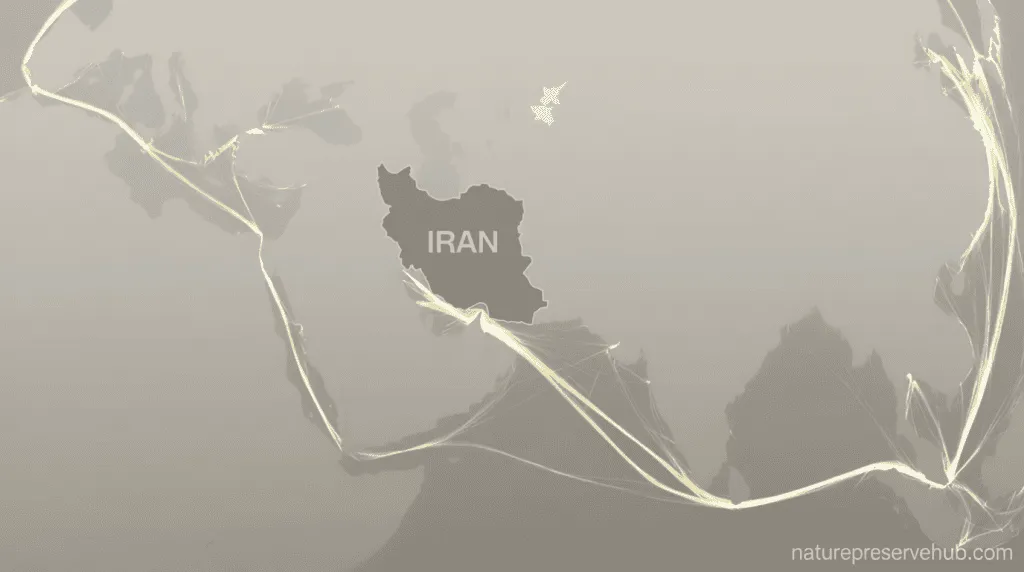
Analysts emphasize that even a temporary closure of the Strait of Hormuz, a narrow waterway off Iran’s southern coast, would have far-reaching effects. The strait handles about 20 million barrels daily, or roughly 20% of global output, making it a “critical oil chokepoint,” as described by the U.S. Energy Information Administration. Although Iran has not fully closed the route, ships are avoiding it due to safety concerns after several tankers were attacked over the weekend.
Iran’s Role in Global Oil Markets
Iran remains a key player in the oil market, producing a significant share of global crude and exporting to energy-dependent nations like China. With the third-largest proven reserves, per OPEC, the country’s strategic position in controlling the Strait of Hormuz amplifies its influence. OPEC+ recently increased production by 206,000 barrels per day after halting incremental raises earlier in the year, but this adjustment may not offset a major supply disruption.
Goldman Sachs previously warned that an extended blockage of the Strait could push prices past $100. Even a less severe scenario—such as a reduction in Iranian exports—could lead to global price hikes, as nations like China seek alternatives. Clayton Seigle of the Center for Strategic and International Relations highlighted that “a loss of Iranian barrels would cause China to bid for substitute supplies,” underscoring the interconnected nature of oil markets.
Long-Term Risks and Strategic Concerns
Bob McNally of Rapidan Energy Group warned that a sustained outage at Saudi Arabia’s Abqaiq oil plant—attacked in 2019—could have catastrophic effects. The facility relies on specialized equipment that cannot be easily replaced, he noted. On Monday, Saudi Arabia temporarily halted some operations as tensions escalated.
If the conflict leads to a prolonged crisis, gasoline prices could skyrocket, impacting American consumers and worsening affordability issues. The situation underscores the delicate balance between geopolitical tensions and global energy markets, with traders closely monitoring developments for further shifts.
