
Empowering Young Minds: Climate Change Education for Kids
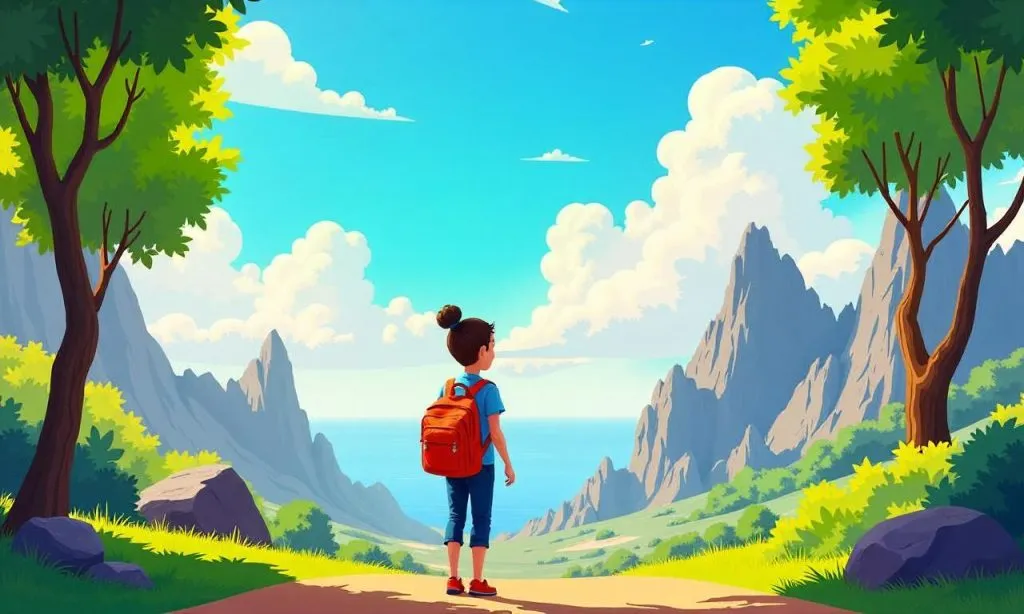
Climate change education for kids is more than just teaching facts about the environment—it’s about fostering a generation of informed, proactive, and empathetic stewards of the planet. As the world grapples with rising temperatures, extreme weather, and loss of biodiversity, it’s essential to equip children with the knowledge and tools to understand these challenges. By introducing climate change education for kids at an early age, we not only help them grasp the science behind environmental issues but also inspire them to take action in their daily lives. This approach lays the groundwork for lifelong habits of sustainability and environmental responsibility, ensuring that the next generation is prepared to tackle the climate crisis head-on.
The Importance of Starting Early
Children are naturally curious about the world around them, making them ideal learners for complex topics like climate change. Starting climate change education for kids during their formative years helps build a foundational understanding of ecological systems and human impact. Early exposure to these concepts enables children to develop critical thinking skills, as they learn to connect their actions with broader environmental outcomes. It also cultivates a sense of responsibility, encouraging them to adopt eco-friendly behaviors such as recycling, conserving water, and reducing energy use.
Role of Educators and Curriculum Design
Educators play a pivotal role in shaping climate change education for kids. Integrating the topic into school curricula requires creative teaching methods that align with age-appropriate learning goals. For example, science lessons can include experiments on water conservation, while math classes might explore data on carbon emissions. Teachers can also leverage storytelling and real-world examples to make abstract ideas relatable. When designing lessons, it’s important to balance accuracy with simplicity, ensuring that children grasp the core message without being overwhelmed by technical jargon.
Hands-On Learning for Deeper Understanding
Active participation is key to making climate change education for kids effective. Hands-on activities, such as planting trees, building compost bins, or conducting simple experiments on heat retention, help reinforce learning through experience. These activities not only make education engaging but also allow children to see the tangible impact of their actions. Schools and parents can collaborate to create projects that promote environmental stewardship, such as school gardens or community clean-up initiatives. By involving kids in real-world problem-solving, we empower them to become changemakers in their own right.
Digital Tools and Resources to Enhance Learning
In today’s digital age, technology can be a powerful ally in climate change education for kids. Interactive apps, educational videos, and online games provide dynamic ways to explore environmental topics. For instance, platforms like National Geographic Kids or Eco Kids offer content that explains climate change in an accessible and entertaining manner. Digital resources also allow for personalized learning, catering to different interests and learning styles. Virtual field trips to ecosystems or simulations of climate scenarios can deepen a child’s connection to the environment and spark a passion for sustainability.
Building Environmental Awareness Beyond the Classroom
Climate change education for kids should extend beyond the classroom to create a holistic understanding of the issue. Parents, caregivers, and community leaders can support this by incorporating eco-friendly practices into daily life. Simple actions like reducing plastic use, saving energy, or discussing local environmental news can reinforce lessons learned in school. Community programs, such as nature walks or workshops on renewable energy, provide opportunities for children to engage with environmental issues in a meaningful way. When families and communities come together, it strengthens the message that climate change is a collective challenge requiring shared solutions.
Fostering a Long-Term Commitment to Sustainability
Consistency is crucial in climate change education for kids. Regular discussions, activities, and exposure to environmental topics help children internalize the importance of sustainability. It’s also important to highlight the role of individual and collective action, showing how small steps can lead to significant changes. Encouraging kids to think about future generations and their role in protecting the planet builds a sense of purpose and optimism. By nurturing this mindset, we not only address current environmental challenges but also inspire a long-term commitment to ecological well-being.
Addressing Common Concerns About Teaching Climate Change
Some educators and parents may worry that climate change education for kids is too complex or overwhelming. However, the goal is not to burden children with adult concerns but to spark their curiosity and creativity. Lessons can be tailored to match developmental stages, using relatable examples and visuals. For instance, younger children might learn about the water cycle and its connection to climate, while older students can explore data analysis and policy solutions. With the right approach, climate change education for kids becomes an exciting and empowering journey rather than a daunting task.
Creating a Supportive Learning Environment
A supportive learning environment is essential for effective climate change education for kids. This includes access to diverse resources, opportunities for exploration, and a safe space for questions and discussions. Schools can partner with environmental organizations to bring in guest speakers, field trips, or hands-on workshops. Parents can also create a home environment that encourages eco-conscious choices and conversations. When educators, families, and communities work in harmony, children receive a well-rounded education that prepares them for the challenges and opportunities of the future.
The Emotional and Social Impact of Climate Education
Beyond knowledge, climate change education for kids has a profound emotional and social impact. It helps children develop empathy for other living beings and the planet, fostering a sense of interconnectedness. By discussing the effects of climate change on animals, ecosystems, and human communities, we encourage kids to think about fairness and shared responsibility. This emotional engagement can drive lasting behavioral changes, as children are more likely to act when they understand the significance of their choices.
Measuring the Success of Climate Education
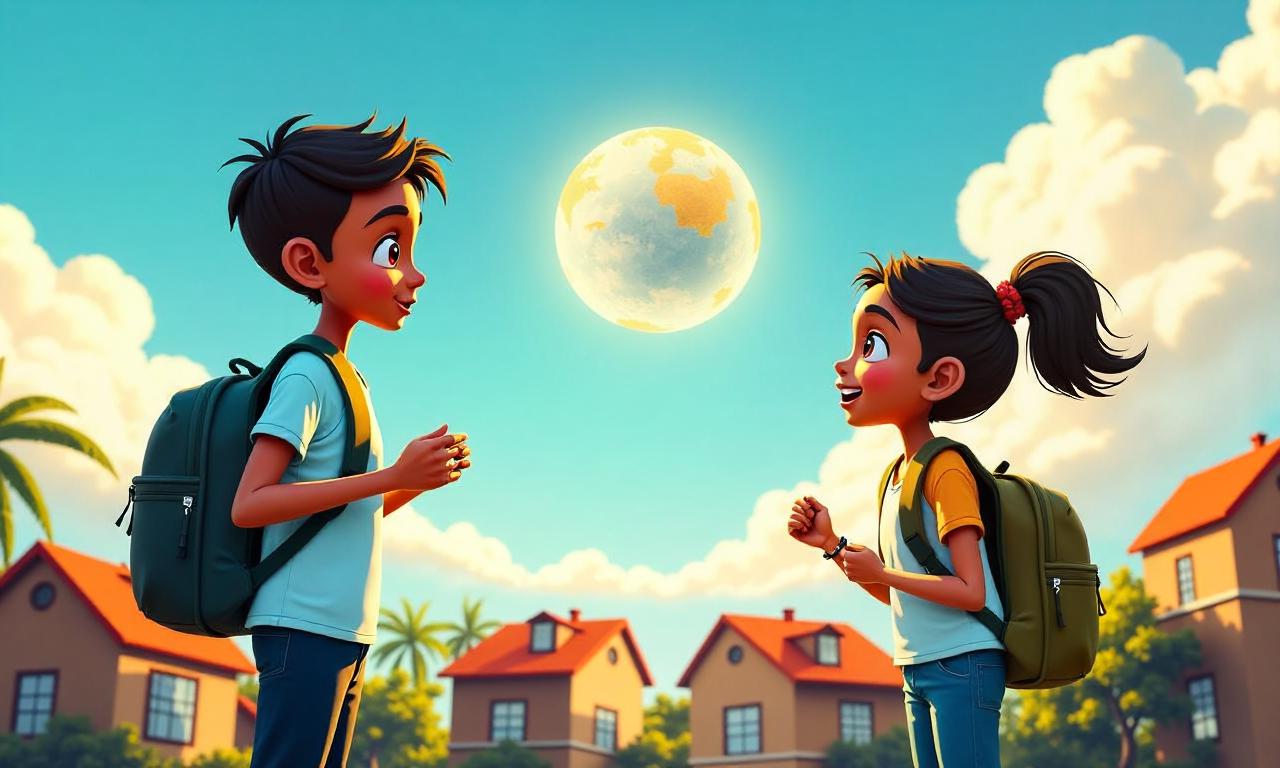
Success in climate change education for kids can be measured through both immediate and long-term outcomes. In the short term, educators can assess students’ understanding through quizzes, projects, or creative presentations. Long-term success is reflected in children’s habits, attitudes, and willingness to advocate for the environment. Tracking these changes over time helps refine teaching strategies and ensure that the education is impactful. When children grow into environmentally responsible adults, the success of climate change education for kids becomes evident in the collective efforts to create a sustainable future.
Global Perspectives in Climate Change Education
Climate change education for kids should also include global perspectives, helping them understand the issue as a worldwide concern. Learning about different regions’ unique environmental challenges and solutions broadens their awareness and encourages a global mindset. For example, discussing how melting ice affects polar bears or how deforestation impacts communities in the Amazon can highlight the interconnected nature of environmental issues. By exposing children to diverse viewpoints, we prepare them to collaborate and innovate on a global scale.
Overcoming Barriers to Implementation
Despite its benefits, implementing climate change education for kids can face challenges. Limited resources, lack of training, and curriculum constraints may hinder progress. However, these barriers can be overcome with creative solutions and collaboration. Schools can seek grants, use free online resources, or partner with local environmental groups to provide support. Training programs for teachers and parents can also help ensure that the education is delivered effectively. When resources are shared and knowledge is prioritized, the path to comprehensive climate change education for kids becomes clearer.
The Future of Climate Change Education for Kids
The future of climate change education for kids is bright, thanks to growing awareness and innovation in teaching methods. As more resources become available and educators embrace new strategies, the potential for impactful learning expands. Integrating climate change education for kids into early childhood programs ensures that environmental awareness is nurtured from the start. This forward-thinking approach not only prepares children for the challenges ahead but also gives them the confidence to shape a sustainable world.
FAQ Q: What are the benefits of climate change education for kids? A: It helps build awareness, fosters critical thinking, and encourages eco-friendly habits.
Q: How can parents support climate change education for kids at home? A: By incorporating sustainable practices into daily routines and engaging in discussions about environmental issues.
Q: Are there age-appropriate resources for climate change education for kids? A: Yes, including books, games, and interactive videos designed for different developmental stages.
Q: What are the key topics to cover in climate change education for kids? A: Start with basics like greenhouse gases, recycling, and renewable energy, then expand to global impacts and solutions.
Q: How to make climate change education for kids engaging? A: Use hands-on activities, storytelling, and real-world examples to spark curiosity and creativity.
