
Practical Climate Change Adaptation Methods for a Sustainable Future
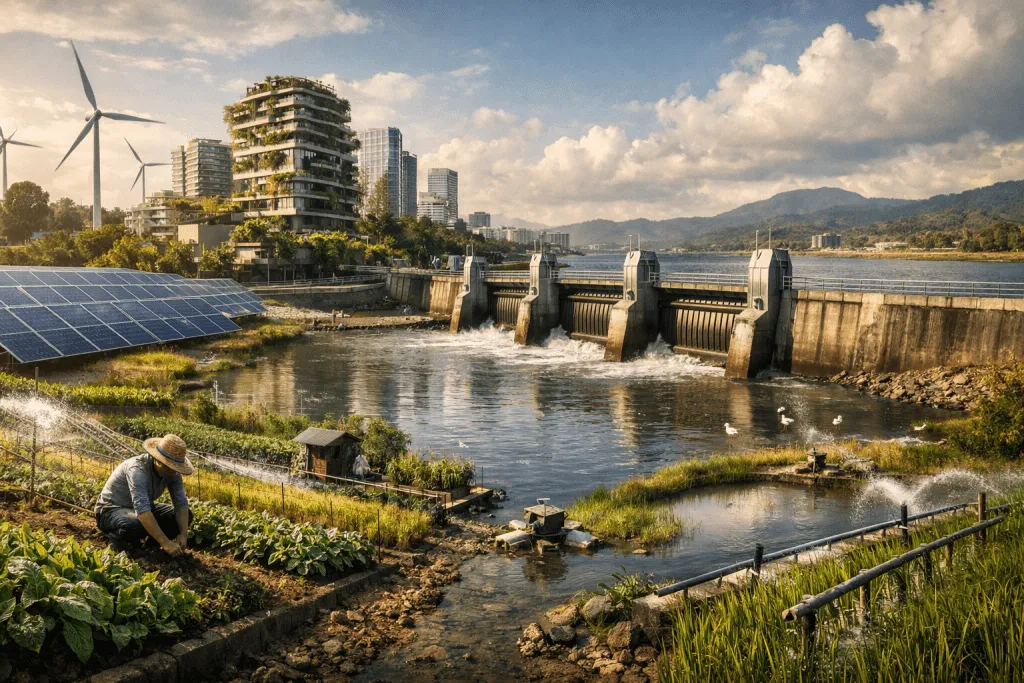
Practical Climate Change Adaptation Methods for a Sustainable Future
Climate change is an increasingly pressing global issue that affects ecosystems, economies, and societies. As temperatures rise, weather patterns become more unpredictable, and sea levels continue to climb, the need for climate change adaptation methods has never been more urgent. Adaptation refers to the process of making adjustments in practices, systems, and structures to minimize the harmful impacts of climate change. This article explores practical and effective adaptation strategies that can contribute to a more sustainable future.
Understanding Climate Change Adaptation
Climate change adaptation methods aim to reduce the vulnerability of human and natural systems to the negative effects of climate change. Unlike mitigation, which focuses on reducing greenhouse gas emissions, adaptation is about making changes to cope with the inevitable shifts in our environment. As the world experiences more extreme weather events such as floods, droughts, and hurricanes, adapting to these changes is essential for maintaining resilience in communities, industries, and ecosystems.
1. Building Climate-Resilient Infrastructure
One of the most important climate change adaptation methods is the development of climate-resilient infrastructure. This involves constructing buildings, roads, and bridges that can withstand extreme weather conditions such as flooding, heatwaves, and high winds. For example, cities in flood-prone areas can design drainage systems that accommodate larger amounts of water or build sea walls to protect against rising sea levels.
Additionally, green infrastructure, such as permeable pavements and urban green spaces, can help manage stormwater, reduce heat island effects, and promote biodiversity. Investing in resilient infrastructure not only protects communities from disaster but also creates long-term economic benefits by reducing the need for costly repairs and rebuilding efforts.
2. Promoting Sustainable Agriculture Practices
Agriculture is highly susceptible to climate change, with shifting weather patterns, prolonged droughts, and extreme temperatures threatening food security worldwide. One of the key climate change adaptation methods in agriculture is promoting sustainable practices that enhance soil health, conserve water, and reduce carbon emissions.
Techniques such as crop diversification, agroforestry, and conservation tillage help farmers adapt to changing weather patterns. For instance, planting drought-resistant crops can minimize yield loss during dry spells, while agroforestry—integrating trees into farmland—can improve soil quality and provide shade to crops during heatwaves.
Additionally, precision agriculture, which uses data-driven technologies to optimize water use, nutrient management, and pest control, is gaining popularity as a means to increase efficiency and sustainability in farming. These methods allow farmers to adapt to climate challenges while also contributing to environmental preservation.
3. Enhancing Water Management Strategies
Water scarcity is one of the most critical challenges exacerbated by climate change. Many regions are experiencing reduced freshwater availability due to changes in precipitation patterns and increased evaporation rates. To address this, water management strategies are essential in adapting to a changing climate.
Efficient water use, including rainwater harvesting, wastewater recycling, and improved irrigation systems, can significantly reduce water waste and increase availability for agriculture, industry, and domestic use. Additionally, investing in flood control systems and wetlands restoration can help manage excess water during storms and prevent long-term damage from flooding.
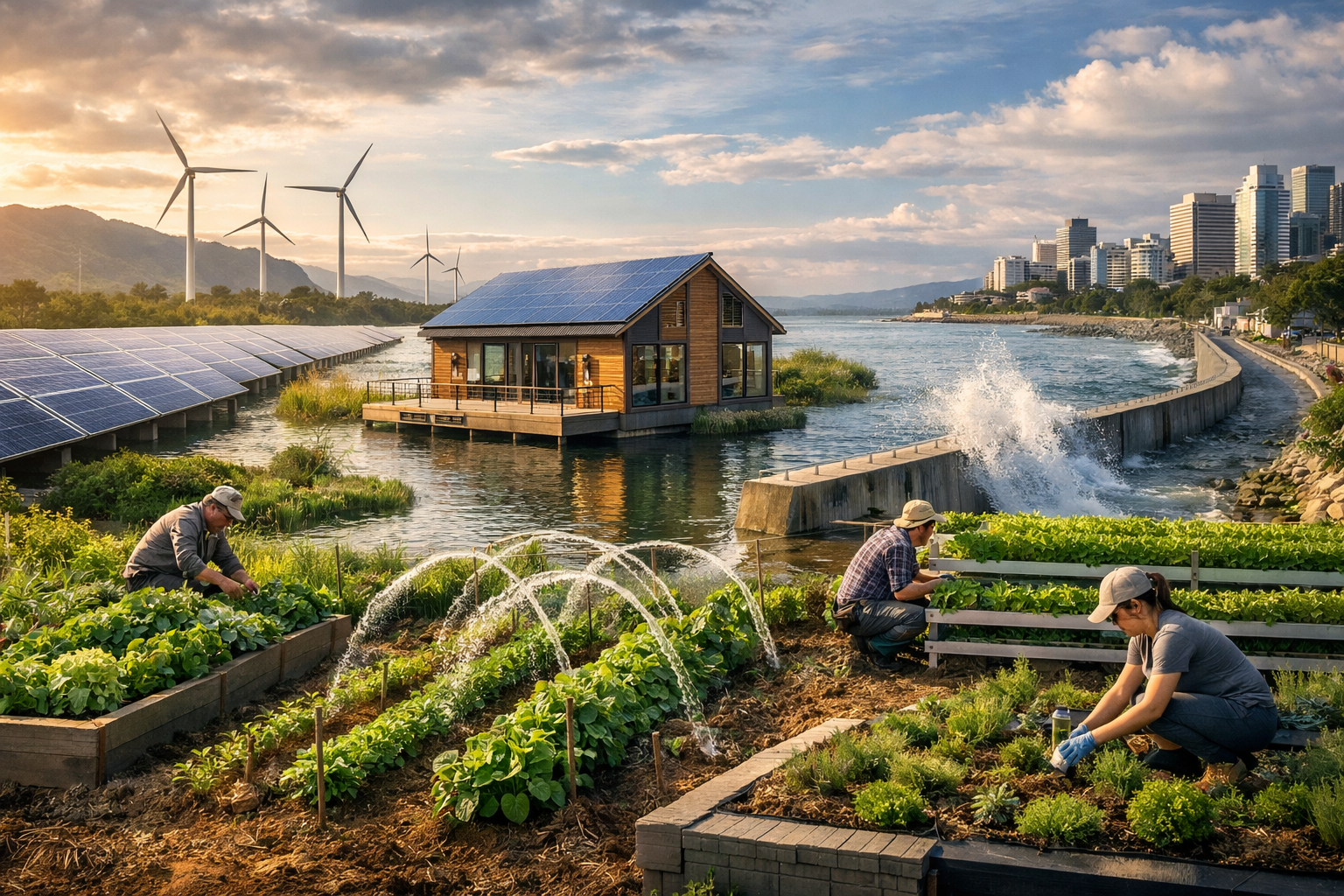
By improving water storage and distribution systems, communities can build resilience to both droughts and floods, ensuring that this vital resource is accessible even as climate change intensifies.
4. Protecting Ecosystems and Biodiversity
Ecosystems play a crucial role in climate regulation, water purification, and food production. However, many natural systems are vulnerable to climate change, which threatens biodiversity and disrupts ecological balance. Therefore, protecting and restoring ecosystems is an important climate change adaptation method.
One effective approach is the conservation of natural habitats, such as forests, wetlands, and mangroves, which act as buffers against climate-related hazards like flooding and storm surges. These ecosystems also help capture carbon, reducing the overall impact of climate change.
Reforestation and afforestation are also key methods to combat deforestation and enhance carbon sequestration. Additionally, implementing sustainable land management practices can help prevent soil erosion, desertification, and habitat loss.
5. Strengthening Disaster Preparedness and Early Warning Systems
Disaster preparedness is an integral component of climate change adaptation. Extreme weather events such as hurricanes, cyclones, and wildfires are becoming more frequent and severe, which puts lives and livelihoods at risk. Strengthening early warning systems and improving disaster response strategies are essential in minimizing the impacts of these events.
Communities can adopt climate risk assessments to identify vulnerable areas and develop targeted preparedness plans. Early warning systems that monitor weather patterns and provide timely alerts can help residents evacuate or take precautions before a disaster strikes. Additionally, local governments can invest in disaster recovery plans that prioritize community well-being and sustainable rebuilding efforts after a catastrophe.
Conclusion
The urgency of climate change demands action. Implementing practical climate change adaptation methods can significantly improve the resilience of both human and natural systems. By building climate-resilient infrastructure, promoting sustainable agriculture, enhancing water management, protecting ecosystems, and strengthening disaster preparedness, societies can adapt to the changing climate while ensuring a more sustainable future for generations to come. The key to success lies in the collaboration of governments, businesses, and individuals in taking proactive steps toward adaptation.
FAQ
Q: What are climate change adaptation methods? A: Climate change adaptation methods are strategies and practices designed to minimize the negative impacts of climate change by making adjustments in human and natural systems. Q: Why is climate change adaptation important? A: Adaptation is crucial because it helps communities and ecosystems cope with the inevitable impacts of climate change, such as extreme weather events and rising sea levels. Q: Can agriculture adapt to climate change? A: Yes, agriculture can adapt through practices like crop diversification, using drought-resistant crops, and implementing sustainable farming techniques like agroforestry and precision agriculture. Q: How can cities become more climate-resilient? A: Cities can become more climate-resilient by investing in infrastructure that can withstand extreme weather, using green infrastructure to manage stormwater, and enhancing disaster preparedness systems. Q: What is the role of ecosystems in climate change adaptation? A: Ecosystems play a vital role in climate adaptation by providing services like flood protection, carbon sequestration, and habitat for wildlife, which help maintain ecological balance and mitigate climate impacts.
