
How Community Involvement Drives Conservation Success
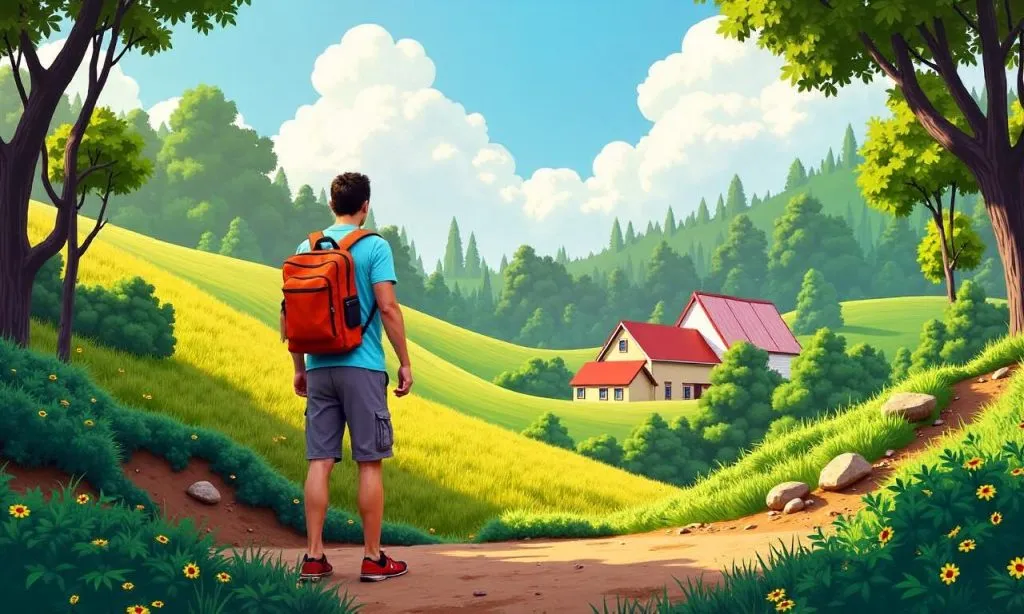
The power of conservation through community involvement lies in the synergy between local knowledge and collective action. When communities are engaged in conservation efforts, they become active participants rather than passive observers, which fosters a deeper connection to the environment. This approach not only ensures the sustainability of conservation projects but also empowers individuals to take ownership of their natural resources. By integrating grassroots participation, conservation initiatives can adapt more effectively to local challenges, leading to long-term success. This article explores how conservation through community involvement drives meaningful environmental outcomes and why it is a cornerstone of effective conservation strategies.
The Role of Local Knowledge in Conservation
Community involvement brings a wealth of local knowledge that is often overlooked in top-down conservation models. People who live in an area for generations understand its unique ecosystems, species, and seasonal patterns better than any outsider. This insight is crucial for designing conservation plans that align with the natural rhythms of the environment and the needs of the local population. When communities are included in decision-making, their expertise can lead to more targeted and efficient solutions, reducing the risk of mismanagement or resistance to conservation goals.
In many cases, conservation through community involvement is the only way to protect endangered species or restore degraded habitats. For example, indigenous communities in the Amazon have successfully preserved biodiversity by relying on traditional practices that have been passed down for centuries. These practices often involve sustainable harvesting, habitat protection, and natural resource management. By valuing and integrating local knowledge, conservationists can build trust and create a shared vision for environmental protection that resonates with the community’s values and aspirations.
Building Sustainable Engagement with Communities
Sustainable conservation requires more than one-time efforts; it demands ongoing engagement and commitment from the community. When people see the direct benefits of conservation, such as improved water quality, increased wildlife populations, or economic opportunities, they are more likely to stay involved. This continuous participation ensures that conservation efforts are not just temporary but part of a long-term strategy that adapts to changing conditions. Programs that prioritize community involvement often include incentives like job creation, education, or access to clean resources, which strengthen the bond between people and the environment.
Involving communities in conservation also reduces the likelihood of conflict over land use or resource allocation. By allowing them to voice concerns and contribute ideas, conservationists can create solutions that are both ecologically sound and socially acceptable. For instance, in coastal regions, local fishers have played a key role in managing marine reserves, ensuring that conservation goals support their livelihoods rather than undermine them. This collaboration leads to more resilient ecosystems and stronger community ties, proving that conservation through community involvement is a win-win approach for both people and the planet.
Empowering Communities with Education and Training
Education is a vital component of conservation through community involvement. When individuals are equipped with knowledge about environmental threats, sustainable practices, and the importance of biodiversity, they become more proactive in protecting their surroundings. Training programs that teach conservation techniques, such as reforestation, wildlife monitoring, or waste management, empower communities to take charge of their own initiatives. These programs also help bridge the gap between scientific research and local action, making conservation efforts more accessible and relevant.
Informed communities are more likely to support and participate in conservation projects. For example, school-based environmental education programs have been shown to increase awareness among younger generations, creating a ripple effect that benefits the entire community. Additionally, workshops and seminars on conservation provide opportunities for knowledge sharing and skill development, fostering a culture of environmental stewardship. By investing in education, conservationists can create a lasting impact that extends beyond immediate projects and influences future generations.
Collaborative Decision-Making for Effective Conservation
Collaborative decision-making ensures that conservation strategies are inclusive and reflective of the community’s needs. When local residents are involved in planning and implementing projects, they are more invested in their success. This approach also allows for a more nuanced understanding of the challenges faced by the community, leading to solutions that are both practical and culturally appropriate. For instance, community-led conservation councils have been instrumental in managing protected areas, balancing ecological preservation with social and economic development.
This form of partnership strengthens the sense of responsibility and accountability within the community. Decisions made collectively are more likely to be respected and followed, as they reflect the community’s own priorities. By giving communities a voice in conservation policies, governments and organizations can build stronger alliances and ensure that initiatives are tailored to the specific context. Conservation through community involvement thus becomes a dynamic process that evolves with the community’s changing circumstances and aspirations.
Economic Benefits of Community-Based Conservation
One of the most compelling reasons for conservation through community involvement is its ability to create economic opportunities that benefit both the environment and the people. When communities are given a stake in conservation, they are motivated to protect natural resources because it directly impacts their livelihoods. For example, eco-tourism initiatives often generate income for local residents while promoting the preservation of wildlife and habitats. This dual benefit ensures that conservation efforts are not only environmentally sustainable but also economically viable.
By linking conservation to economic gains, communities are more likely to commit to long-term environmental goals. Sustainable agriculture, handicrafts made from local materials, and the development of green jobs all contribute to this balance. These economic incentives also reduce the pressure on natural resources, as communities find alternative ways to earn a living that are less harmful to the environment. When conservation becomes a part of the local economy, it transforms from a burden into an opportunity, making it more likely to succeed over time.
Real-World Examples of Conservation Through Community Involvement
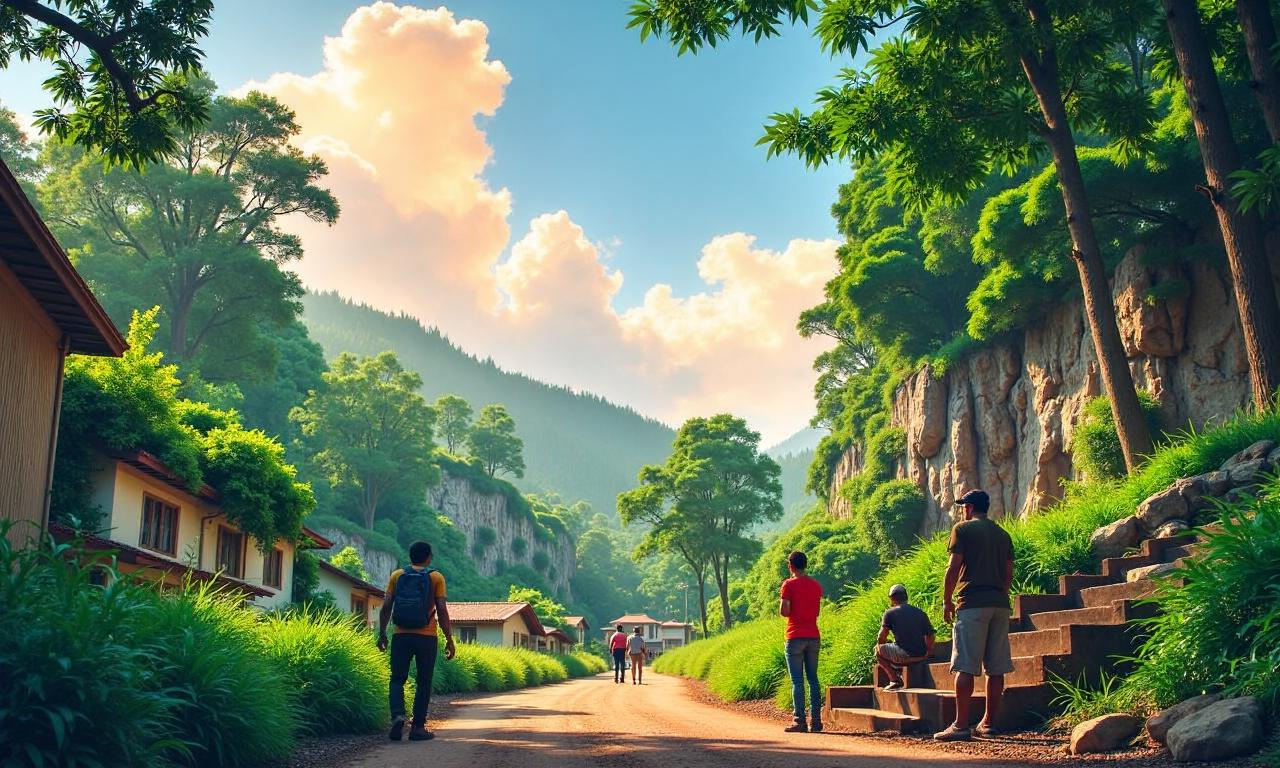
Numerous successful conservation projects around the world demonstrate the effectiveness of conservation through community involvement. In Kenya, the Maasai people have played a central role in protecting wildlife through community conservancies, which generate revenue from tourism while conserving critical habitats. Similarly, in India, local communities have been instrumental in reviving the tiger population by working with conservationists to reduce human-wildlife conflict and restore forests. These examples highlight how community-driven initiatives can achieve measurable results while improving the quality of life for local residents.
Another notable case is in the Philippines, where coastal communities have established marine sanctuaries to protect coral reefs and fish stocks. By regulating fishing practices and enforcing conservation rules, these communities have seen a resurgence in marine biodiversity and economic stability. These real-world applications show that when communities are given the tools and support to lead conservation efforts, they can create lasting change. The success of these projects underscores the importance of conservation through community involvement as a scalable and adaptable model for environmental protection.
The Broader Impact of Community-Led Conservation
Beyond environmental benefits, conservation through community involvement can have a profound impact on social cohesion, cultural preservation, and climate resilience. When communities work together to protect their environment, they strengthen social bonds and foster a sense of shared purpose. This unity is especially important in regions where environmental degradation threatens both natural and human systems. Additionally, conservation efforts often preserve cultural practices that are tied to the land, ensuring that traditional knowledge is passed down to future generations.
Climate change mitigation is another area where community involvement plays a critical role. Local initiatives that focus on reforestation, soil conservation, and renewable energy projects can contribute significantly to global climate goals. By addressing local challenges while aligning with broader environmental targets, conservation through community involvement creates a more holistic approach to sustainability. This model also encourages innovation, as communities experiment with new ideas that are tailored to their specific needs and environments.
Conclusion
Conservation through community involvement is a powerful strategy that combines local knowledge, sustainable practices, and economic incentives to achieve long-term environmental success. By engaging communities in the planning, implementation, and monitoring of conservation efforts, we ensure that initiatives are not only effective but also supported by those who stand to benefit most. This collaborative approach fosters resilience, promotes cultural preservation, and creates a shared responsibility for the planet’s health. As the examples show, when people are empowered to take action, conservation becomes a dynamic and enduring process that adapts to the needs of both people and nature.
FAQ
Q: What are the benefits of conservation through community involvement?
A: Conservation through community involvement fosters local knowledge, creates sustainable engagement, and ensures economic and environmental gains that benefit both people and nature.
Q: How does community involvement contribute to conservation success?
A: Community involvement builds trust, ensures long-term commitment, and leads to solutions that are culturally and ecologically appropriate.
Q: Can communities sustain conservation efforts long-term?
A: Yes, when communities are given ownership and incentives, they are more likely to sustain conservation efforts, adapting strategies to changing conditions.
Q: What role does education play in conservation through community involvement?
A: Education empowers communities with the knowledge and skills needed to manage resources effectively, creating a culture of environmental stewardship.
Q: How can governments support community-based conservation initiatives?
A: Governments can support community-based initiatives by providing funding, recognizing local leadership, and creating policies that integrate community voices into conservation planning.
