
Urban Conservation Efforts: Preserving Nature in Modern Cities
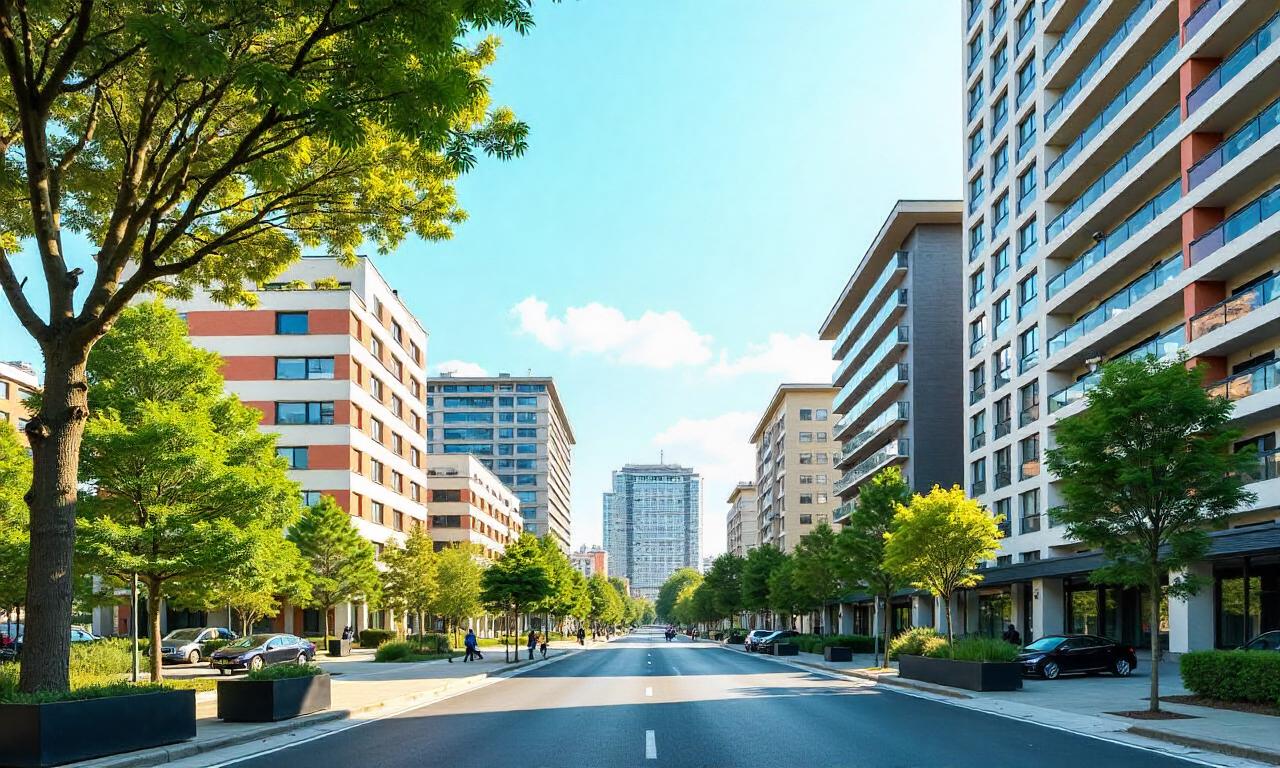
In an era where urbanization continues to accelerate, conservation efforts in urban areas have become a critical component of sustainable development. As cities expand, green spaces and natural habitats face increasing pressure from construction, pollution, and population growth. However, the integration of nature into urban environments is no longer just a luxury—it is a necessity. Urban conservation efforts aim to balance the demands of modern cities with the preservation of ecological systems, ensuring that residents can coexist with nature while enjoying the benefits of urban life. This article explores the significance of conservation efforts in urban areas, the challenges they face, and the innovative strategies being implemented to safeguard urban ecosystems.
The Necessity of Urban Conservation
Urban areas are dynamic environments where human activity and natural systems intersect. While cities offer convenience, economic opportunities, and cultural hubs, they also contribute to environmental degradation. Conservation efforts in urban areas are essential to mitigate these negative impacts and create resilient, livable spaces for future generations.
Environmental Challenges in Urbanization
Modern cities are often associated with air pollution, water contamination, and loss of biodiversity. The rapid expansion of infrastructure leads to the fragmentation of natural habitats, pushing wildlife into smaller, isolated areas. Additionally, urban heat islands—regions where temperatures are significantly higher due to human activity—exacerbate climate change effects. These challenges highlight the urgent need for conservation efforts in urban areas to address environmental imbalances. The delicate balance between urban growth and ecological preservation is a pressing issue that requires immediate attention. By implementing conservation efforts in urban areas, cities can reduce their ecological footprint while enhancing the quality of life for their inhabitants.
Social and Economic Benefits
Beyond environmental benefits, conservation efforts in urban areas contribute to social and economic well-being. Green spaces such as parks, community gardens, and urban forests provide recreational areas, reduce stress, and improve mental health. These spaces also foster community engagement, offering venues for cultural events, educational programs, and social interactions.
From an economic perspective, conservation efforts in urban areas can increase property values, attract tourism, and support local industries. For instance, cities with well-maintained green infrastructure often see higher investment rates and improved public health outcomes. By investing in conservation efforts in urban areas, municipalities can create sustainable urban ecosystems that benefit both people and the planet.
Strategies for Urban Conservation
To achieve meaningful results, conservation efforts in urban areas require a multifaceted approach that combines policy, technology, and community involvement. These strategies not only protect natural resources but also promote long-term environmental resilience.
Green Infrastructure Development
One of the most effective conservation efforts in urban areas is the development of green infrastructure. This includes parks, green roofs, vertical gardens, and rain gardens, which help manage waste, reduce carbon emissions, and enhance biodiversity. Green infrastructure also plays a crucial role in stormwater management, preventing floods and improving water quality. For example, green roofs can reduce building energy consumption by insulating structures and minimizing <strong>heat island effects</strong>. By integrating these elements into city planning, developers and urban planners can create sustainable urban ecosystems that thrive even in densely populated areas.
Sustainable Transportation Systems
Reducing the environmental impact of urban mobility is another key conservation effort in urban areas. Cities are increasingly investing in public transportation, cycling lanes, and electric vehicles to decrease reliance on gasoline-powered cars. These initiatives not only lower air pollution but also reduce traffic congestion, making cities more accessible and efficient. Sustainable transportation systems are a cornerstone of conservation efforts in urban areas, as they promote eco-friendly practices and support carbon neutrality. For instance, expanding bike-friendly infrastructure can significantly cut down greenhouse gas emissions while encouraging healthier lifestyles among residents.
Community-Led Conservation Initiatives
Empowering local communities is vital for the success of conservation efforts in urban areas. Grassroots movements, such as urban gardening projects, tree-planting campaigns, and clean-up drives, allow residents to take an active role in preserving their environment. These initiatives foster environmental awareness and create a sense of ownership over natural spaces. Community-led conservation efforts are often more effective because they align with local needs and priorities. By engaging citizens in conservation efforts in urban areas, cities can build long-term sustainability and ensure that ecological benefits are shared equitably.
Policy and Regulation
Government policies play a critical role in supporting conservation efforts in urban areas. Urban planners and policymakers can enforce environmental regulations that require developers to incorporate green spaces into new projects. Zoning laws, green building standards, and carbon emission targets are examples of how legislation can shape sustainable urban development. Policy-driven conservation efforts ensure that environmental considerations are prioritized in urban planning. For instance, cities that mandate green roofs on new buildings or protect natural corridors from urban sprawl are setting a precedent for future development.
Challenges in Urban Conservation
Despite the growing importance of conservation efforts in urban areas, several challenges hinder their implementation. Addressing these obstacles is essential to ensure the long-term success of sustainable urban ecosystems.
Limited Space and Land Use Conflicts
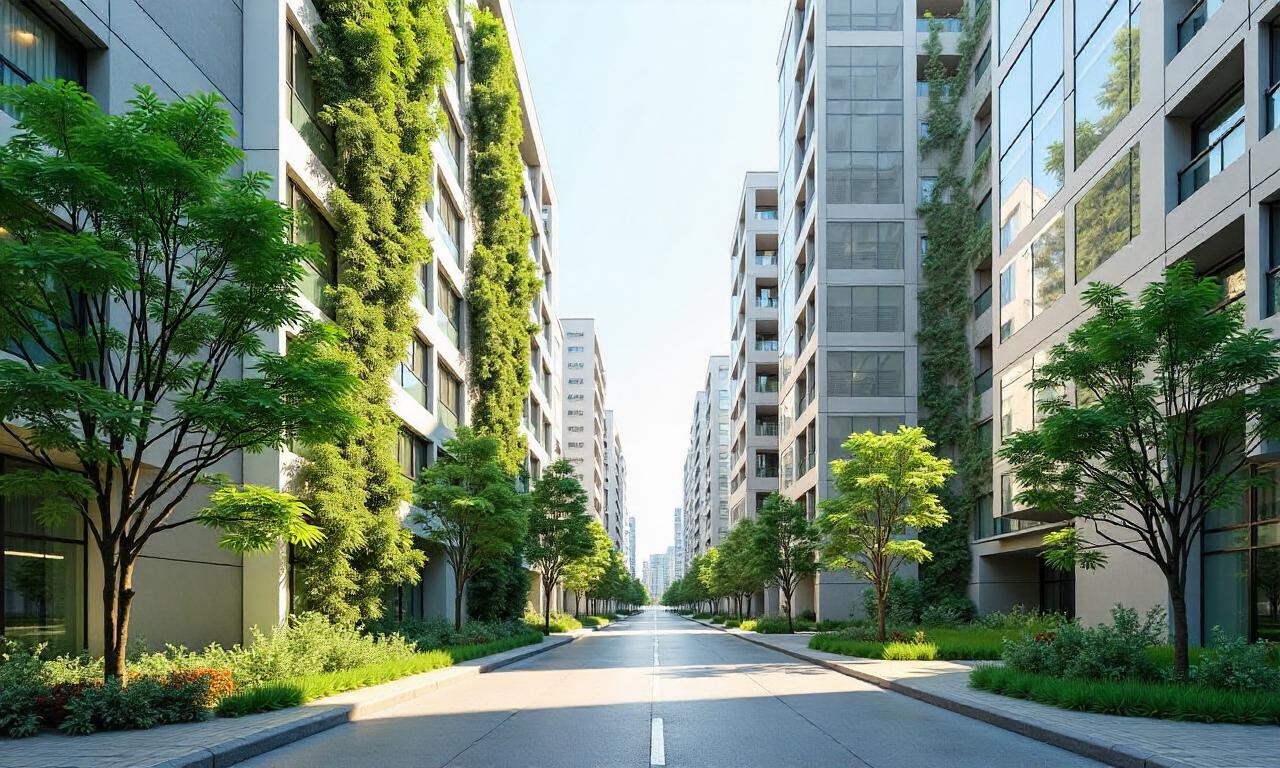
One of the primary challenges of conservation efforts in urban areas is the limited availability of space. As cities grow, green areas are often sacrificed for residential and commercial development. This creates a land use conflict between urban expansion and environmental preservation. In densely populated cities, even small <strong>green spaces</strong> can make a significant difference in improving urban living conditions. However, securing enough land for conservation efforts in urban areas requires careful planning and innovative solutions, such as vertical farming or underground green spaces.
Funding and Resource Allocation
Another challenge is the funding required to support conservation efforts in urban areas. Budget constraints often lead to the prioritization of economic development over environmental projects. This can result in underinvestment in green infrastructure, renewable energy, and waste management systems. Effective resource allocation is crucial to ensure that <strong>conservation efforts in urban areas</strong> receive the necessary financial and political support. Cities must balance short-term economic gains with long-term ecological benefits to create sustainable urban environments.
Resistance from Developers and Stakeholders
Some developers and stakeholders resist conservation efforts in urban areas due to concerns about costs and profitability. They may argue that green spaces take away from potential revenue or development opportunities. This resistance can slow down the implementation of eco-friendly policies and sustainable projects. Overcoming this resistance requires collaboration between <strong>government</strong>, <strong>businesses</strong>, and <strong>local communities</strong>. By demonstrating the long-term benefits of conservation efforts in urban areas, such as increased property values and healthier populations, stakeholders can be convinced to support environmental initiatives.
Climate Change and Environmental Stressors
Urban areas are particularly vulnerable to the impacts of climate change, including extreme weather events, rising sea levels, and resource scarcity. These stressors challenge the effectiveness of conservation efforts in urban areas, as cities must adapt to changing conditions while maintaining ecological balance. Climate resilience is a key component of successful <strong>conservation efforts in urban areas</strong>, requiring integrated approaches that address both <strong>environmental and social challenges</strong>. For example, cities must invest in climate-adaptive infrastructure and natural disaster mitigation strategies to protect green spaces and urban ecosystems.
Success Stories of Urban Conservation
There are numerous examples of conservation efforts in urban areas that have made a tangible impact. These case studies demonstrate how cities can harmonize growth and sustainability, creating green spaces that benefit both people and wildlife.
Singapore: A Model of Green Integration
Singapore is often cited as a model of conservation efforts in urban areas, with its "City in a Garden" vision. The city-state has integrated green spaces into its urban fabric through initiatives like Sky Greens (a vertical farm), Bishan-Ang Mo Kio Park (a redesigned waterway), and green corridors that connect natural reserves. Singapore's commitment to <strong>conservation efforts in urban areas</strong> has transformed the city into a <strong>lush, eco-friendly metropolis</strong>. Its success highlights the importance of policy support and community engagement in creating sustainable urban environments.
New York City: Revitalizing Central Park
New York City’s Central Park is a landmark example of conservation efforts in urban areas. Despite being surrounded by skyscrapers, the park remains a green oasis that provides recreational spaces, biodiversity habitats, and public services. The Central Park Conservancy—a nonprofit organization—has played a pivotal role in maintaining the park’s ecological and cultural significance. Central Park's restoration and maintenance are a testament to the power of <strong>conservation efforts in urban areas</strong>. By investing in public spaces, the city has ensured that residents and visitors can enjoy the benefits of nature in the heart of a bustling metropolis.
Copenhagen: Cycling and Green Mobility
Copenhagen has made conservation efforts in urban areas a central part of its sustainability strategy. The city has prioritized cycling infrastructure, electric public transportation, and green building practices to reduce its carbon footprint. This focus on <strong>green mobility</strong> has not only improved <strong>air quality</strong> but also enhanced the <strong>livability</strong> of urban spaces. Copenhagen’s success shows how conservation efforts in urban areas can align with economic and social goals, creating resilient cities that prioritize environmental health.
Paris: Urban Gardens and Green Spaces
Paris has embraced conservation efforts in urban areas through its "Parisculteurs" program, which encourages urban gardening and green space creation. The initiative has transformed underused land into community gardens, vertical gardens, and public parks, fostering local biodiversity and environmental education. Paris's approach to <strong>conservation efforts in urban areas</strong> demonstrates the potential of <strong>community-driven projects</strong> to <strong>revitalize urban environments</strong>. By leveraging existing resources, the city has created a more sustainable and livable urban space for its residents.
Conclusion
Conservation efforts in urban areas are essential for creating sustainable cities that support both human and ecological well-being. Through green infrastructure, sustainable transportation, and community involvement, cities can mitigate the negative impacts of urbanization while enhancing quality of life. However, these efforts are not without challenges, including space constraints, funding issues, and resistance from stakeholders.
Despite these obstacles, successful conservation efforts in urban areas provide a blueprint for resilient urban ecosystems. Cities like Singapore, New York, Copenhagen, and Paris have shown that nature and development can coexist, offering innovative solutions to environmental challenges.
As urban populations continue to grow, the need for <strong>conservation efforts in urban areas</strong> will only increase. By prioritizing <strong>sustainability</strong> and <strong>eco-friendly practices</strong>, cities can ensure that <strong>future generations</strong> inherit a <strong>healthier planet</strong> and a <strong>more livable urban environment</strong>. The integration of conservation efforts in urban areas is not just a goal—it is a necessity for building sustainable, resilient, and green cities.
