
How to Reduce Your Carbon Footprint at Home: A Guide
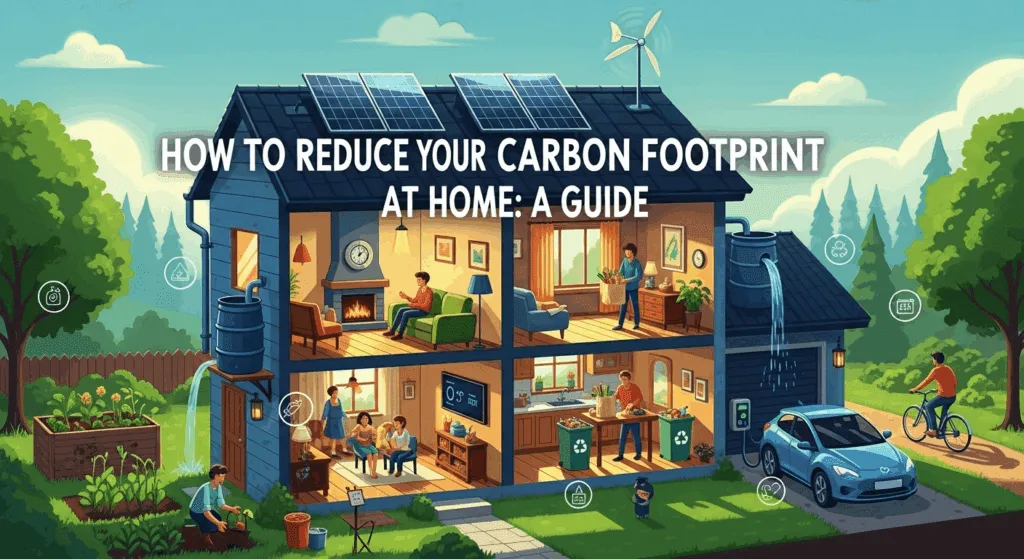
In an era where climate change headlines dominate our news feeds, the feeling of helplessness can be overwhelming. The scale of the problem seems immense, leaving many to wonder what one person can possibly do. The truth is, significant change begins with collective individual action, and the most impactful place to start is right where we live. Your home is not just a sanctuary; it is a powerful hub for positive environmental change. By understanding and implementing practical ways to reduce your carbon footprint at home, you can contribute to a healthier planet, often while saving money and improving your quality of life. This guide will walk you through actionable, effective strategies, from simple daily habits to larger, long-term investments.
Understanding Your Carbon Footprint
Before you can effectively reduce your carbon footprint, it’s crucial to understand what it is and where your own emissions come from. A carbon footprint is the total amount of greenhouse gases—primarily carbon dioxide (CO2)—that are generated by our actions. These emissions stem from a wide range of activities, including the energy used to power and heat our homes, the food we eat, the products we buy, and the waste we generate. It's a measure of our personal impact on the Earth's climate.
Establishing a baseline is a critical first step. You can’t manage what you don’t measure. Fortunately, there are numerous free and user-friendly carbon footprint calculators available online, such as those offered by the EPA or WWF. These tools ask a series of questions about your lifestyle—your home energy usage, transportation habits, diet, and shopping patterns—to provide an estimate of your annual CO2 emissions. This personalized report highlights your biggest areas of impact, allowing you to prioritize your efforts for the greatest effect.
Once you have your baseline, you can set realistic goals. The aim isn't to achieve a zero-carbon footprint overnight—an almost impossible feat in our modern world—but to make conscious, incremental improvements. Seeing that number decrease over time as you implement new habits can be an incredibly motivating experience. It transforms an abstract global problem into a tangible, personal mission where your choices have a visible and measurable positive outcome.
Revolutionize Your Energy Consumption
For most households, energy consumption is the single largest contributor to their carbon footprint. Electricity for lighting, appliances, and electronics, as well as fuel for heating and cooling, are typically generated by burning fossil fuels. Therefore, tackling energy use is the most high-impact area for change. By becoming more efficient and mindful of how you power your home, you can drastically cut your emissions and your utility bills.
Embrace Energy-Efficient Appliances and Lighting
Your home is filled with appliances that consume energy, but not all are created equal. When it's time to replace an old refrigerator, washing machine, or dishwasher, always look for the ENERGY STAR label. Products with this certification are guaranteed to meet strict energy efficiency guidelines set by the U.S. Environmental Protection Agency. An ENERGY STAR-certified refrigerator, for example, is about 9% more energy-efficient than a standard model, which translates to significant energy and cost savings over its lifetime.
Lighting is another area ripe for optimization. If you are still using traditional incandescent or even CFL bulbs, switching to Light Emitting Diode (LED) bulbs is one of the quickest and easiest ways to reduce energy use. LEDs consume up to 90% less energy and can last 25 times longer than incandescent bulbs. While the upfront cost is slightly higher, their longevity and efficiency make them far more economical and environmentally friendly in the long run. Making a wholesale switch to LEDs throughout your home is a powerful, one-time action with lasting benefits.
| Bulb Type | Average Lifespan (Hours) | Energy Use for 800 Lumens (Watts) | Estimated 10-Year Cost (Bulb + Electricity) |
|---|---|---|---|
| Incandescent | 1,200 | 60W | ~$75 |
| CFL | 8,000 | 14W | ~$25 |
| LED | 25,000 | 10W | ~$18 |
Master Your Heating and Cooling Systems
Heating and cooling (HVAC) often account for nearly half of a home's total energy use. Optimizing your system can lead to massive carbon reductions. A programmable or smart thermostat is an essential tool. It allows you to automatically lower the heat or air conditioning when you are asleep or away from home, preventing wasted energy. Setting your thermostat just a few degrees lower in the winter and higher in the summer can reduce your HVAC-related emissions by 5-15%.
Beyond the thermostat, focus on your home's envelope. Proper insulation and draft-proofing are paramount. Check for air leaks around windows, doors, and electrical outlets. Use weatherstripping and caulk to seal these gaps—a simple and inexpensive DIY project. Ensure your attic and walls are adequately insulated to prevent heat from escaping in the winter and entering in the summer. Regular maintenance of your HVAC system, including cleaning or replacing filters monthly, ensures it runs at peak efficiency.
Unplug and Power Down
Many modern electronics continue to draw power even when they are turned off. This phenomenon, known as phantom load or vampire power, can account for up to 10% of your household electricity use. Devices like televisions, game consoles, microwaves, and chargers are common culprits. The solution is simple: unplug devices when they are not in use.
To make this easier, plug multiple devices (like your entire entertainment center) into a single power strip. This allows you to cut power to all of them with the flip of a single switch. Smart power strips go a step further, automatically cutting power to peripheral devices when the main device (like a computer) is turned off. Also, be sure to activate the energy-saving modes on your computers, monitors, and other electronics, which automatically put them into a low-power sleep state after a period of inactivity.
Rethinking Your Water Usage
The link between water and carbon emissions may not be immediately obvious, but it's significant. A tremendous amount of energy is required to pump, treat, and deliver fresh water to your tap. Even more energy is used in your home to heat that water for showers, laundry, and dishwashing. Therefore, conserving water—especially hot water—is an effective way to shrink your carbon footprint.
Reduce Hot Water Consumption
Heating water is the second-largest energy expense in most homes. You can make an immediate impact by making small changes to your daily routine. Take shorter showers, aiming for 5 minutes or less. Install a low-flow showerhead, which can reduce water use by 40% or more without sacrificing pressure. When doing laundry, switch to washing your clothes in cold water whenever possible. Modern detergents are highly effective in cold water, and this single change can save a massive amount of energy per load.
Furthermore, check the temperature setting on your water heater. Many are set to a default of 140°F (60°C), which is hotter than necessary and poses a scalding risk. Lowering the temperature to 120°F (49°C) is safe for most households and can reduce your water heating energy consumption by 6-10%. If you have an older water heater, consider insulating the tank and the first few feet of hot water pipes to prevent heat loss.
Install Water-Saving Fixtures
Beyond your showerhead, other fixtures in your home can be upgraded to conserve water. Consider installing faucet aerators on your kitchen and bathroom sinks. These inexpensive devices screw onto the end of the faucet and mix air into the water stream, reducing water volume while maintaining pressure. This can cut a faucet's water use by 30% or more.
When it's time to replace your toilet, choose a modern, low-flow model certified with the WaterSense label. These toilets use 1.28 gallons per flush or less, compared to older models that can use 3.5 to 7 gallons. This one-time upgrade can save thousands of gallons of water per year, significantly reducing the energy associated with its treatment and transport. Fixing leaks promptly is also critical; a single dripping faucet can waste hundreds of gallons of water over a year.
The "Three R's" Reimagined: Reduce, Reuse, Recycle
The mantra of "Reduce, Reuse, Recycle" is a cornerstone of sustainable living, and it plays a vital role in cutting your household's carbon footprint. The production, transportation, and disposal of consumer goods all generate significant greenhouse gas emissions. By being more intentional about what we bring into our homes and what we throw away, we can disrupt this carbon-intensive cycle.
Master the Art of Reduction
While all three R's are important, "Reduce" is the most impactful. The most sustainable product is the one you never have to buy in the first place. Before making any purchase, ask yourself if you truly need it. Practice mindful consumption by avoiding impulse buys and focusing on quality over quantity. Opt for durable, long-lasting items instead of cheap, disposable ones that will quickly end up in a landfill.
A key area for reduction is single-use items, especially plastics. Bring reusable bags to the grocery store, carry a reusable water bottle and coffee cup, and say no to plastic straws. When possible, buy in bulk to reduce packaging waste and choose products with minimal or compostable packaging. Going digital with bills, bank statements, and subscriptions can also drastically reduce paper waste and the associated carbon emissions from production and transport.
Get Creative with Reusing
Before you throw something away, think about how it could be repurposed. Reusing items extends their life, delaying the need to produce a new item and preventing the old one from ending up in a landfill, where it can release methane, a potent greenhouse gas. Glass jars can be used for storing bulk foods, leftovers, or organizing small items. Old t-shirts and towels can be cut up and used as cleaning rags instead of paper towels.
This mindset extends to larger items as well. Mending clothes instead of discarding them, repairing broken appliances instead of replacing them, and borrowing or renting items you only need temporarily (like specialized tools) are all powerful forms of reuse. Thriving in a circular economy mindset means seeing potential value in everything, moving away from the linear "take-make-dispose" model.
Recycle the Right Way
Recycling is the final step, reserved for items that cannot be reduced or reused. However, it's crucial to do it correctly. "Wish-cycling"—tossing non-recyclable items into the bin hoping they'll be recycled—can contaminate an entire batch, forcing it to be sent to landfill. This undermines the entire system.
Take the time to learn your local municipality's recycling rules. What plastics are accepted? Do you need to separate materials? In most cases, you must rinse containers to remove food residue before recycling them. By being a diligent recycler, you ensure that the materials you put in the bin can actually be transformed into new products, saving the enormous amount of energy and resources required to extract and process virgin materials.
Greening Your Diet and Kitchen Habits
The food we eat has a surprisingly large carbon footprint, accounting for an estimated 10-30% of a household's total emissions. This includes emissions from agriculture (fertilizers, machinery, animal digestion), processing, transportation ("food miles"), and waste. Making conscious choices in your kitchen is a delicious and effective way to fight climate change.
Eat More Plants, Less Meat
The production of meat, particularly red meat like beef and lamb, is incredibly resource-intensive. It requires vast amounts of land, water, and feed. Furthermore, livestock, especially cattle, are a major source of methane, a greenhouse gas over 25 times more potent than CO2. Reducing your meat consumption is one of the most significant personal changes you can make to lower your food-related carbon footprint.
You don't have to go fully vegan to make a difference. Start with "Meatless Mondays" or aim to have a few plant-based meals each week. When you do eat meat, consider switching from beef to less carbon-intensive options like chicken or pork. A diet rich in fruits, vegetables, grains, and legumes is not only better for the planet but is also linked to numerous health benefits.
Prioritize Local and Seasonal Foods
The journey your food takes from the farm to your plate contributes to its carbon footprint. Food that is flown in from across the world has a much higher carbon cost than food grown in your region. By shopping at farmers' markets or subscribing to a Community Supported Agriculture (CSA) box, you can access fresh, local produce while supporting your local economy.
Eating seasonally goes hand-in-hand with eating locally. When you buy produce out of season, it has likely been transported from a different hemisphere or grown in an energy-intensive greenhouse. Eating seasonally means enjoying food at its peak freshness and lowest environmental impact. It reconnects you with natural cycles and encourages variety in your diet throughout the year.
Combat Food Waste
An estimated one-third of all food produced globally is wasted. When this food ends up in a landfill, it decomposes without oxygen, releasing large quantities of methane. Preventing food waste in your own home is a direct way to combat this. Plan your meals for the week before you go shopping to ensure you only buy what you need.
Store your food properly to extend its life—keep leafy greens in a sealed container with a paper towel, and don't store ethylene-producing fruits like bananas and apples next to other produce. Get creative with leftovers and learn to use all parts of your ingredients (like using vegetable scraps to make broth). For any food scraps that can't be eaten, composting is the best option. It turns waste into a nutrient-rich soil amendment for your garden, sequestering carbon in the soil instead of releasing it into the atmosphere.
—
Frequently Asked Questions (FAQ)
Q: What is a carbon footprint, simply?
A: A carbon footprint is the total amount of greenhouse gas emissions generated by your actions. Think of it as the carbon "cost" of your lifestyle, from the electricity you use and the car you drive to the food you eat and the waste you produce.
Q: What is the single biggest thing I can do at home to reduce my carbon footprint?
A: For most people, the biggest impact comes from addressing energy consumption. This can be done by switching your home's electricity to a renewable energy plan if offered by your utility, or by making significant upgrades to your home's efficiency, such as improving insulation and installing a smart thermostat. Reducing consumption of red meat is another very high-impact action.
Q: Is it expensive to reduce my carbon footprint at home?
A: Not at all. While some actions like installing solar panels have a high upfront cost, many of the most effective strategies are free or low-cost. Taking shorter showers, washing clothes in cold water, unplugging electronics, reducing food waste, and eating less meat cost nothing and will actually save you money.
Q: Do my small, individual changes really make a difference?
A: Absolutely. While one person's actions may seem small, they have a ripple effect. Your changes contribute to a collective effort that drives significant environmental progress. Furthermore, your actions can inspire friends, family, and your community to make changes as well. Market demand also shifts as more people choose sustainable options, pressuring companies to change their practices. Every action matters.
—
Conclusion
Reducing your carbon footprint at home is not about achieving perfection overnight; it's about making a conscious commitment to progress. It's a journey of a thousand small steps, from flipping a light switch to choosing a different meal. By focusing on the key areas of energy, water, waste, and food, you can make a substantial and measurable impact. The strategies outlined in this guide—from simple habit shifts to strategic home upgrades—provide a clear roadmap for action.
Embracing these changes does more than just lower your emissions. It fosters a deeper connection to the resources you use, encourages a healthier lifestyle, and often leads to significant financial savings. Ultimately, taking action at home empowers you to be an active participant in the solution to climate change. Your home becomes a testament to the fact that individual choices, when multiplied across communities and nations, have the power to create a more sustainable and resilient future for everyone.
***
Summary
This guide provides a comprehensive overview of practical ways to reduce your carbon footprint at home. The core message is that individual actions, when taken collectively, can lead to significant environmental change. The article focuses on five key areas for improvement. First, understanding and measuring your current footprint using online calculators to establish a baseline. Second, revolutionizing energy consumption by switching to LED lighting, using energy-efficient appliances, optimizing heating and cooling with smart thermostats and proper insulation, and unplugging electronics to avoid "phantom load." Third, rethinking water usage, especially hot water, by taking shorter showers, washing clothes in cold water, and installing water-saving fixtures. Fourth, mastering the "Three R's" by prioritizing reduction in consumption, creatively reusing items, and recycling correctly. Finally, greening your diet by eating more plants and less meat, prioritizing local and seasonal foods to reduce "food miles," and combating food waste through better planning and composting. The guide emphasizes that many impactful changes are low-cost or free and contribute to both a healthier planet and household savings.
