
Top Eco-Friendly Packaging Options to Reduce Waste and Boost Brand
Top Eco-Friendly Packaging Options to Reduce Waste and Boost Brand
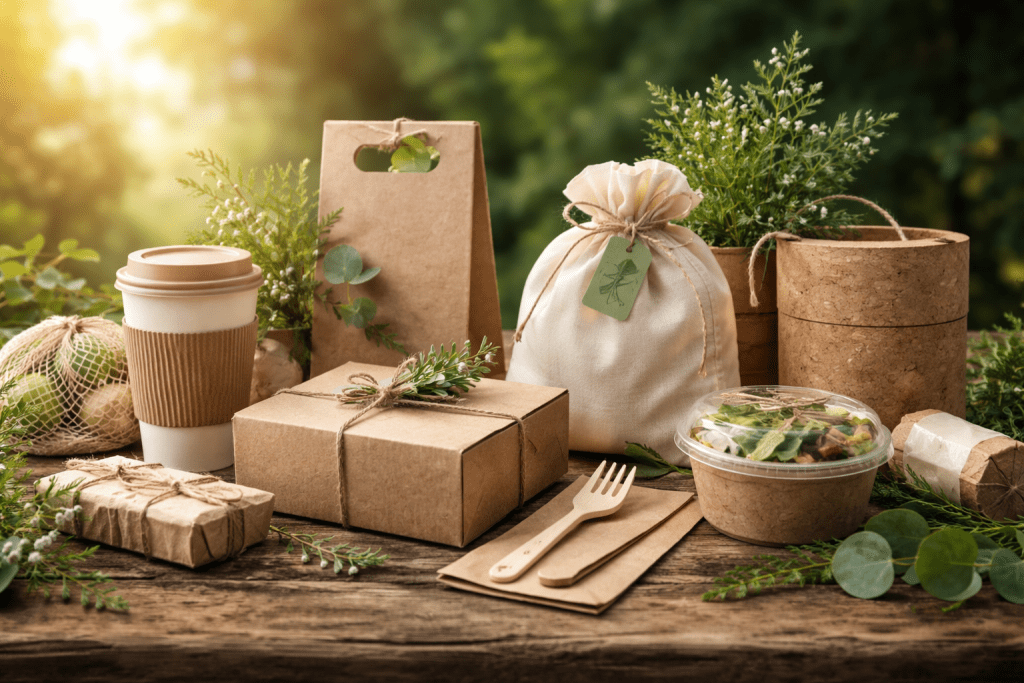
In recent years, sustainability has become a major concern for both consumers and businesses alike. With growing awareness of environmental issues, brands are increasingly seeking eco-friendly packaging options to reduce waste and appeal to a conscious audience. This shift not only benefits the planet but also enhances a company’s image and customer loyalty. If you’re looking for sustainable packaging solutions for your brand, here are some top options that are both environmentally friendly and impactful for your business.
Why Choose Eco-Friendly Packaging?
Eco-friendly packaging is more than just a trend—it’s a necessity. Traditional packaging materials such as plastic contribute heavily to landfills and pollution, impacting wildlife and ecosystems. In contrast, eco-friendly packaging options are designed to minimize environmental harm. By adopting these alternatives, businesses can reduce their carbon footprint, conserve natural resources, and align with growing consumer expectations for sustainability.
Moreover, using sustainable packaging can provide a competitive edge, as consumers are more likely to support companies that prioritize environmental responsibility. From an economic standpoint, it can also lead to cost savings in the long term, especially when considering waste reduction and the potential for better recycling processes.
Top Eco-Friendly Packaging Options
1\. Biodegradable Packaging
Biodegradable packaging is a popular alternative to plastic. Made from organic materials, such as cornstarch, cellulose, or plant-based polymers, these materials break down naturally when exposed to the environment. This type of packaging significantly reduces waste in landfills and has a minimal environmental impact compared to conventional plastic.
One of the key benefits of biodegradable packaging is that it degrades faster than traditional plastics, often within a few months, depending on the material. This makes it an excellent option for companies looking to lower their carbon footprint and minimize their impact on the environment.
2\. Recycled Paper and Cardboard
Recycled paper and cardboard are some of the most common eco-friendly packaging options available today. Using materials that have already been processed and reused helps conserve natural resources and reduce the need for virgin materials. These materials are not only recyclable themselves, but they also support the recycling industry by encouraging the reuse of paper products.
Recycled paper and cardboard are versatile packaging materials suitable for a wide range of products, from retail packaging to shipping boxes. With advancements in printing technology, businesses can still create attractive, branded packaging without compromising sustainability.
3\. Glass Containers
Glass is another eco-friendly alternative to plastic. While glass can be heavier and more expensive to ship, it offers several sustainability benefits. Unlike plastic, glass is fully recyclable and can be reused indefinitely without losing quality. Additionally, glass is made from natural materials like sand, soda ash, and limestone, making it a more sustainable option.
Glass packaging is often preferred for premium products such as cosmetics, beverages, and food items, as it provides a clean and luxurious feel. Consumers also tend to associate glass packaging with higher quality, which can boost brand perception and customer loyalty.
4\. Plant-Based Plastics
Plant-based plastics, also known as bioplastics, are derived from renewable plant sources like corn, sugarcane, and potatoes. These bioplastics are designed to be biodegradable or compostable, reducing their environmental impact compared to traditional petroleum-based plastics.
One popular example of plant-based plastic is PLA (polylactic acid), which is commonly used in food packaging and disposable cutlery. By choosing plant-based plastics, businesses can reduce their dependence on fossil fuels while still offering packaging that’s functional and durable.
5\. Edible Packaging
A cutting-edge and innovative approach to eco-friendly packaging is edible packaging. Made from ingredients such as seaweed, rice, and other edible materials, this type of packaging can be consumed along with the product. While it’s still in the early stages of development for mass production, edible packaging presents a fascinating solution to the waste problem.
In the future, edible packaging could be a game-changer for food companies looking to eliminate packaging waste altogether. For now, it remains a niche option but is worth considering for brands with a focus on sustainability and innovation.
6\. Mushroom Packaging
Mushroom packaging is an eco-friendly alternative that uses mycelium, the root structure of mushrooms, to create biodegradable packaging. It’s a great option for businesses looking for something more sustainable and unique. Mushroom packaging is both lightweight and durable, making it ideal for shipping fragile items.
Since it’s fully biodegradable, mushroom packaging will break down naturally, making it an excellent choice for companies looking to reduce waste. The material can be composted at home or industrially, leaving no harmful residues behind.
How Eco-Friendly Packaging Can Boost Your Brand
Adopting eco-friendly packaging options is not just an environmental responsibility; it can also significantly enhance your brand’s image. Consumers are increasingly drawn to brands that prioritize sustainability, and the right packaging can communicate a strong commitment to the planet.
By using sustainable packaging, your brand can stand out in a crowded marketplace. It shows that you’re proactive about minimizing your environmental footprint, which can attract eco-conscious customers and set you apart from competitors who haven’t yet made the switch. Additionally, businesses that go green often see increased customer loyalty and higher satisfaction ratings.
Sustainable packaging also gives you an opportunity to share your brand’s environmental story. Whether it’s through eco-friendly materials, energy-efficient manufacturing processes, or the use of innovative technologies, your packaging can become a powerful marketing tool that strengthens customer relationships and builds trust.
Conclusion
In today’s environmentally conscious world, the need for sustainable packaging solutions is undeniable. By choosing eco-friendly packaging options, businesses can reduce waste, conserve resources, and contribute to a greener future. Whether you opt for biodegradable materials, recycled paper, or innovative solutions like mushroom packaging, each choice can have a significant positive impact on the planet.
Adopting these sustainable packaging options not only reduces your brand’s environmental footprint but also helps you resonate with a growing market of eco-conscious consumers. Ultimately, it’s a win-win for both your brand and the planet.
FAQ
Q: What are eco-friendly packaging options? A: Eco-friendly packaging options are materials and solutions that minimize environmental impact, such as biodegradable packaging, recycled materials, and plant-based plastics. Q: Why is eco-friendly packaging important for businesses? A: Eco-friendly packaging helps businesses reduce waste, lower carbon emissions, and meet consumer demand for sustainable practices, enhancing brand reputation. Q: Are biodegradable packaging options truly sustainable? A: Biodegradable packaging is generally more sustainable than plastic, as it breaks down naturally and reduces waste in landfills, but the environmental benefits depend on proper disposal. Q: How can eco-friendly packaging help my brand? A: Using eco-friendly packaging can boost your brand’s image, attract eco-conscious consumers, and differentiate your products from competitors. Q: Can edible packaging be a practical option for businesses? A: While still in development, edible packaging is an innovative solution that could eliminate waste, especially in the food industry, but it is not yet widely available for mainstream use.
