
Iran war: Why is Russia not coming to Tehran’s aid?
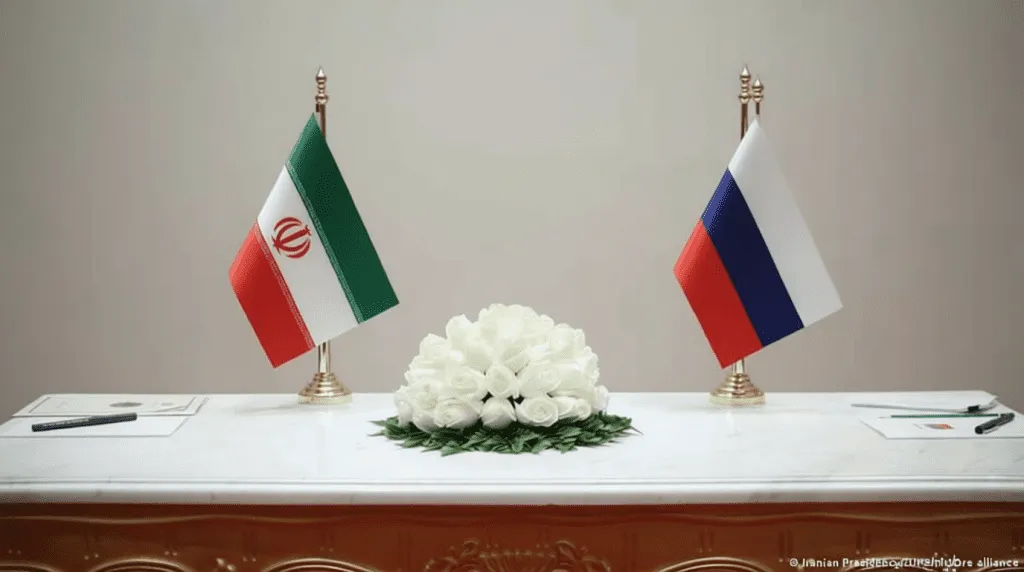
Iran War: Why Is Russia Not Coming to Tehran’s Aid?
Amid escalating US-Israeli strikes on Iran, the country’s embattled government has leaned heavily on Russia for backing. However, Moscow’s response has been swift and measured, leaving Iran’s leadership feeling underwhelmed. Just hours after attacks began targeting Tehran on Saturday, Russia’s UN envoy, Vassily Nebenzia, denounced the actions as an “unprovoked act of armed aggression against a sovereign and independent UN member state.”
Despite this strong rhetoric, Russia has not deployed significant military or economic support to Iran’s defense. The alliance between Moscow and Tehran, though tenuous, remains crucial for both nations. A regime collapse in Iran could disrupt Russia’s strategic interests, particularly its geopolitical influence and access to vital economic partnerships.
Economic Ties and the North-South Corridor
Nikita Smagin, a Middle East analyst based in Azerbaijan, highlighted Russia’s key role in Iran’s economic stability. “The North-South transport corridor is central to this partnership,” he noted. “Russia lost its traditional transit routes after invading Ukraine in February 2022, making Iran a critical alternative.”
The 7,200-kilometer (4,473-mile) multi-mode network, signed in 2000 by Russia, India, and Iran, passes through Azerbaijan. According to the Gulf Research Center, 75% of the project is complete. This infrastructure underscores Russia’s reliance on Iran for trade and logistical connections.
Military Collaboration and Drones
Russia has also benefited from Iran’s military contributions. Since 2023, Tehran has supplied Shahed drones, which have transformed the Ukraine conflict. Julian Waller, a Russia expert at the Center for Naval Analyses, emphasized Iran’s role. “These drones were pivotal for Russia’s war effort,” he said, though he acknowledged their design has since been refined locally.
Experts suggest Russia’s support extends beyond drones. “Moscow shares intelligence with Iran and has sent missiles and ammunition to Tehran,” said Smagin. Yet, the alliance is pragmatic rather than ideological. “Russian leaders don’t necessarily admire Iran,” he added, “but they value its reliability as both face Western sanctions.”
Strategic Alliance and Sanctions
Gregoire Roos of Chatham House described Iran as Moscow’s “mentor” in navigating sanctions. “Iran’s experience in bypassing economic restrictions has guided Russia’s strategies,” he stated. This partnership has allowed both nations to counter Western pressure, unlike allies such as Turkey or Egypt, which might curtail trade if pressured.
Despite this, Russia has not committed to active intervention in the Iran-Israel conflict. “The two countries aren’t defensive allies,” Waller clarified. Analysts speculate that an informal pact with Israel may deter Moscow from stepping in, ensuring stability in the region.
Expectations and Unmet Promises
Mojtaba Hashemi, an international relations expert, pointed out Tehran’s anticipation of more than just words. “Iran sought tangible military-technical cooperation, intelligence sharing, and a strong deterrent message,” he said. “The regime miscalculated the extent of Moscow’s commitment.”
Meanwhile, Mohammad Ghaedi of George Washington University argued that Russian hesitation was anticipated. “Tehran has long doubted Moscow’s loyalty,” he remarked, citing former president Mahmoud Ahmadinejad’s claim that “Russia has always sold out the Iranian nation.” Pezeshkian, Iran’s current leader, echoed this sentiment after the June 2025 conflict.
Chatham House’s Roos suggested a potential upside for Russia in prolonged tensions. “The focus would shift from Ukraine to Iran, reducing Zelenskyy’s media presence,” he said. “This could also strain US resources, creating opportunities for Moscow to reassert its influence.”
