
Endangered Species in Different Habitats: Protecting Wildlife Everywhere
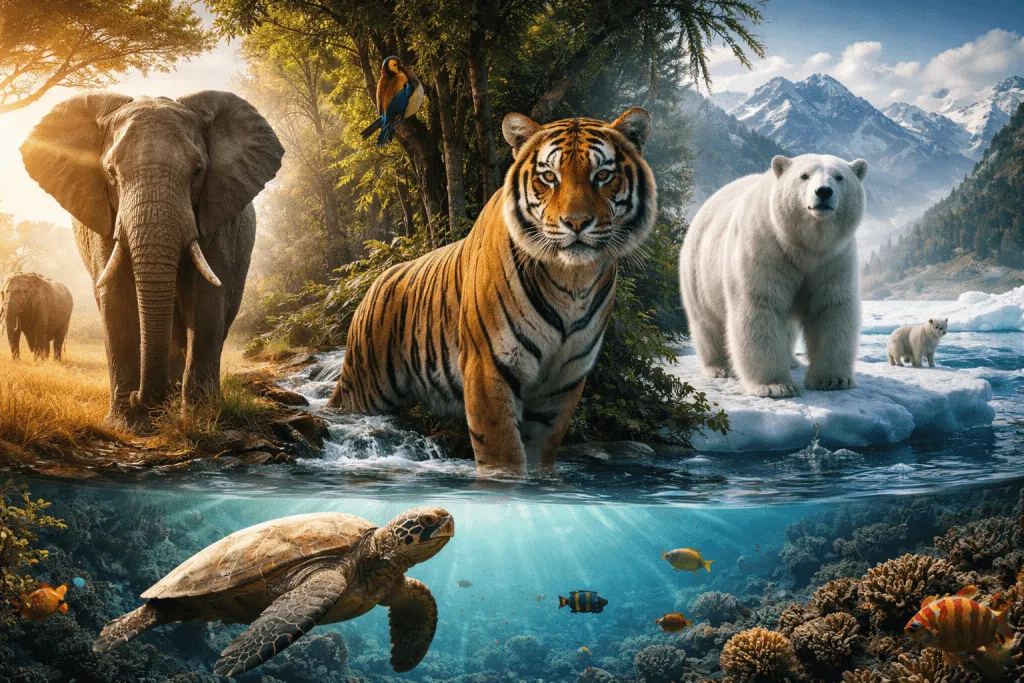
Endangered Species in Different Habitats: Protecting Wildlife Everywhere
Wildlife conservation is critical to maintaining the balance of ecosystems, and understanding the challenges faced by endangered species in different habitats is key to creating effective protection measures. From the depths of the oceans to the heights of mountain ranges, species across the globe are threatened by human activities, climate change, and natural disasters. In this article, we will explore the unique threats facing endangered species in various habitats, their role in the ecosystem, and the global efforts to protect them.
Importance of Protecting Endangered Species in Different Habitats
The extinction of any species disrupts the balance of nature, and the loss of endangered species in different habitats can have far-reaching consequences. Every ecosystem, whether it’s a rainforest, a coral reef, or a tundra, depends on a web of species that maintain its function. These species often play irreplaceable roles, such as pollination, pest control, and nutrient cycling.
Protecting endangered species is not just about saving individual animals; it’s about preserving the ecological integrity of their habitats. When species decline, entire ecosystems can collapse, leading to a loss of biodiversity and the degradation of environmental services that humans rely on, such as clean water and air. Therefore, it’s crucial to take immediate action to protect endangered species across various habitats.
Endangered Species in Forests and Woodlands
Forests are some of the most biodiverse ecosystems on Earth, home to many species that are now endangered. Rainforests, in particular, are hotspots for biodiversity, with species like the orangutan and the jaguar struggling for survival due to deforestation and habitat fragmentation. These forests provide critical functions, such as carbon sequestration, which helps mitigate climate change.
The primary threat to endangered species in forest habitats is habitat loss, mainly due to logging, agriculture, and urbanization. Conservation efforts here include establishing protected areas, promoting sustainable forestry practices, and restoring degraded landscapes. By ensuring the protection of these habitats, we can help preserve countless species that depend on forests for survival.
Threats to Endangered Species in Oceans and Marine Ecosystems
The oceans cover more than 70% of the Earth’s surface, yet marine life is under constant threat from human activities. Endangered species in ocean habitats, such as sea turtles, whales, and coral reefs, face threats like overfishing, pollution, and the devastating effects of climate change.
Coral reefs, which are home to a variety of marine species, are particularly vulnerable to rising sea temperatures and ocean acidification. The loss of coral reefs could lead to the extinction of many marine species and disrupt the livelihoods of millions of people who depend on these ecosystems for food and tourism. Conservation measures for marine habitats include establishing marine protected areas (MPAs), enforcing sustainable fishing practices, and reducing pollution through international agreements.
Endangered Species in Deserts and Arid Regions
Deserts, with their harsh conditions, may seem inhospitable, but they are home to a surprising number of species, many of which are endangered. Species such as the addax antelope and the desert tortoise are struggling due to habitat loss, water scarcity, and climate change.
In deserts, the challenge is not only protecting species from human activity but also from the extreme environmental conditions. Overgrazing, mining, and oil extraction are common threats to desert ecosystems. Conservation efforts are aimed at protecting water sources, creating wildlife corridors, and regulating human activities that lead to habitat degradation. By addressing these issues, we can help safeguard the fragile life forms that call the desert home.
Endangered Species in Grasslands and Savannas
Grasslands and savannas are critical habitats for species such as the cheetah, bison, and prairie dogs. These ecosystems are often overlooked in global conservation efforts, yet they provide essential services, including carbon storage and soil fertility. Endangered species in grassland habitats face threats from agricultural expansion, industrial development, and invasive species.
The primary threat to grasslands is land conversion for agriculture. Overgrazing, fires, and droughts also add to the pressure on wildlife. Protection efforts here include creating wildlife reserves, promoting sustainable grazing practices, and implementing land management strategies that allow for natural regeneration of these ecosystems.
Endangered Species in Mountains and Alpine Regions
Mountain habitats are often home to some of the most unique and isolated species, such as the snow leopard and the Tibetan antelope. These species are adapted to extreme environmental conditions, and their survival is at risk due to climate change, habitat fragmentation, and human encroachment.
Mountains are particularly vulnerable to the effects of climate change, as temperature shifts can lead to habitat loss and disrupt migration patterns. Conservation strategies in these regions focus on establishing protected areas and creating corridors that allow species to move freely between habitats as environmental conditions change. Supporting sustainable tourism and preventing illegal poaching also play crucial roles in protecting these species.
Conclusion
The survival of endangered species in different habitats is essential to maintaining the health of ecosystems and the planet as a whole. Every species plays a crucial role in its habitat, and their loss can have devastating consequences. From forests and oceans to deserts and mountains, concerted global efforts are needed to protect these vulnerable species and their environments. With targeted conservation strategies, we can help safeguard the biodiversity that sustains life on Earth.
FAQ
Q: Why are endangered species important?
A: Endangered species are crucial for maintaining ecosystem balance. They often play vital roles in their habitats, such as pollination, pest control, and nutrient cycling, which are essential for the health of the environment.
Q: What are the main threats to endangered species in different habitats?
A: The primary threats include habitat loss, climate change, pollution, overexploitation, and invasive species. These threats disrupt ecosystems and can lead to the extinction of species.
Q: How can we protect endangered species in the wild?
A: Protecting endangered species involves creating protected areas, enforcing anti-poaching laws, reducing human impact, and supporting sustainable practices. Public awareness and education are also key to successful conservation.
Q: What is the role of protected areas in conserving endangered species?
A: Protected areas provide safe havens for endangered species to thrive without the constant threat of human activity, such as poaching or habitat destruction. These areas help preserve biodiversity and restore ecosystems.
Q: Can climate change impact endangered species in different habitats?
A: Yes, climate change can alter habitats, disrupt migration patterns, and exacerbate threats like droughts or rising sea levels. Species that are already endangered are especially vulnerable to these changes.
