
Endangered Species List 2026: Key Threats and Conservation Efforts
Endangered Species List 2026: Key Threats and Conservation Efforts
The endangered species list 2026 is expected to reflect the critical state of many animal and plant species worldwide, threatened by rapid environmental changes and human activity. As we move toward 2026, the survival of various species hangs in the balance. Understanding the main threats they face and the conservation efforts that are being made can shed light on how we can act to protect these invaluable members of our ecosystems.
What Makes Species Endangered?
Species become endangered when they are at significant risk of extinction in the near future. This can happen due to a variety of factors including habitat loss, poaching, climate change, and invasive species. The endangered species list 2026 will likely feature an increasing number of animals and plants from diverse environments, such as rainforests, oceans, and deserts. Protecting these species requires global awareness and coordinated conservation strategies.
Key Threats to Endangered Species in 2026
Habitat Destruction
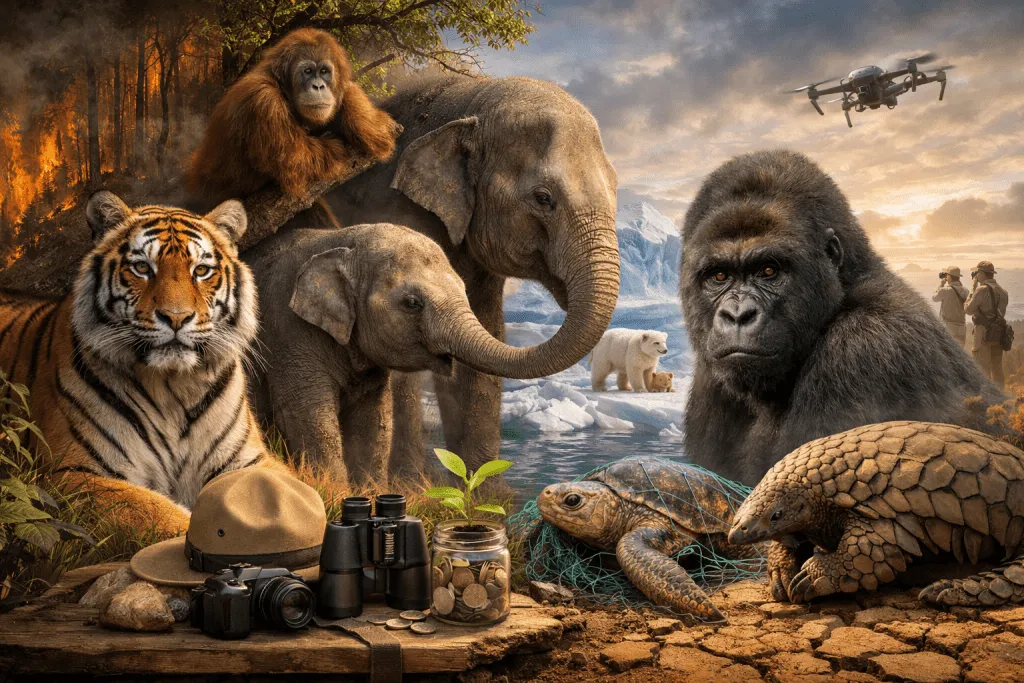
The loss of natural habitats is one of the most prominent threats to species survival. Urbanization, agriculture, logging, and mining destroy critical ecosystems where species thrive. Forests, wetlands, and coral reefs are being destroyed at alarming rates, pushing many species to the brink of extinction. The endangered species list 2026 will feature animals like the orangutan and Bengal tiger, whose habitats in Southeast Asia and India are rapidly diminishing due to deforestation and human encroachment.
Climate Change
Climate change exacerbates many threats to biodiversity. Rising temperatures, extreme weather events, and ocean acidification are already altering ecosystems and threatening species that cannot adapt quickly enough. For instance, polar bears, already vulnerable due to habitat loss, face further dangers from melting ice in the Arctic. Similarly, coral reefs, home to thousands of species, are experiencing widespread bleaching due to warming ocean temperatures, affecting marine biodiversity.
Illegal Hunting and Poaching
Poaching remains a major threat to many species, particularly those with valuable body parts like ivory, fur, and bones. Elephants, rhinos, and tigers are often targeted for these reasons. While laws against hunting exist, enforcement is difficult in some regions, and black markets thrive. The endangered species list 2026 will include species that have been pushed toward extinction by illegal hunting activities.
Invasive Species
The introduction of non-native species to new environments is a growing threat to local wildlife. Invasive species often outcompete native species for resources, spreading diseases, and disrupting the natural balance of ecosystems. For example, the arrival of the European rabbit in Australia has caused severe damage to local vegetation, endangering many plant and animal species. Invasive plants like kudzu also choke out native flora, diminishing food sources for local wildlife.
Global Conservation Efforts to Protect Endangered Species
Strengthening Legislation
International conventions like the Convention on International Trade in Endangered Species of Wild Fauna and Flora (CITES) play an essential role in protecting endangered species. By enforcing laws that regulate trade in endangered species and their parts, CITES aims to reduce illegal wildlife trafficking. Many countries are also introducing stricter national policies and fines for illegal hunting, deforestation, and pollution.
Habitat Restoration Programs
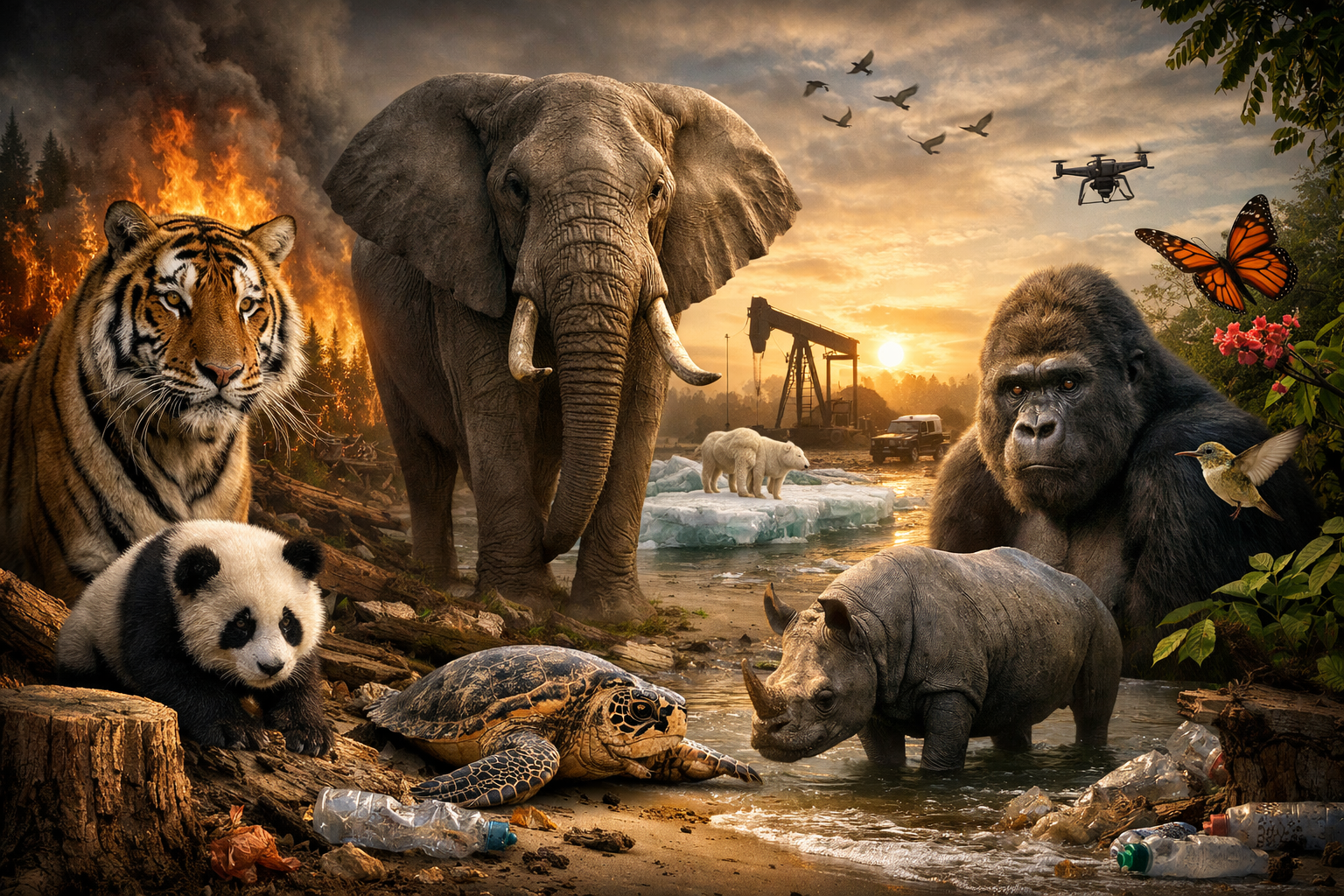
Conservationists are working to restore habitats that have been destroyed. These projects aim to return ecosystems to a state where species can thrive. Reforestation, coral reef restoration, and wetland revitalization are some of the methods being employed to provide safe havens for endangered species. For example, the reintroduction of wolves to Yellowstone National Park has led to a more balanced ecosystem, benefiting a wide range of species.
Captive Breeding and Reintroduction
Captive breeding programs are an important tool in preventing species from going extinct. These programs involve breeding endangered species in controlled environments to increase their population. Once a sufficient number of individuals have been bred, they can be reintroduced into their natural habitats. The successful reintroduction of the California condor is a prime example of how such programs can help bring species back from the brink.
Public Awareness and Education
Education and advocacy are crucial in the fight for endangered species. Conservation organizations, governments, and celebrities are raising awareness through campaigns, documentaries, and social media to engage the public in supporting endangered species protection. People are also encouraged to adopt sustainable practices, reduce waste, and avoid products that harm the environment, such as items made from endangered animals.
The Role of Technology in Conservation
Technology is increasingly being used to monitor and protect endangered species. Satellite imaging allows scientists to track deforestation and habitat destruction, while drones are being used to monitor wildlife and combat poaching. Artificial intelligence and machine learning are also being employed to analyze patterns in wildlife populations and predict future threats. These innovations are helping conservationists act quickly and efficiently in the protection of endangered species.
Conclusion
As we approach 2026, the endangered species list will likely be longer and more diverse, representing the toll that human activity and climate change have taken on the natural world. However, through global cooperation, stricter regulations, habitat restoration, and cutting-edge technology, there is hope that these species can be saved. It is up to all of us to support conservation efforts and ensure that future generations can witness the beauty and diversity of life on Earth.
FAQ
Q: What species will be on the endangered species list 2026? A: The endangered species list 2026 is expected to include species like the orangutan, Bengal tiger, and polar bear, whose populations are declining due to habitat loss, poaching, and climate change. Q: How does climate change affect endangered species? A: Climate change leads to rising temperatures, extreme weather, and habitat destruction, threatening species that cannot adapt quickly enough to the changing environment. Q: What are the biggest threats to endangered species? A: The main threats include habitat destruction, climate change, illegal hunting, and invasive species, all of which contribute to the decline of biodiversity. Q: How can we help protect endangered species? A: Supporting conservation efforts, reducing our environmental footprint, and advocating for stronger wildlife protection laws are all ways to help protect endangered species. Q: What is being done to save endangered species? A: Conservation efforts include habitat restoration, captive breeding programs, anti-poaching laws, and the use of technology for monitoring and protection.
