
How to Protect Endangered Animals at Home: Simple Steps
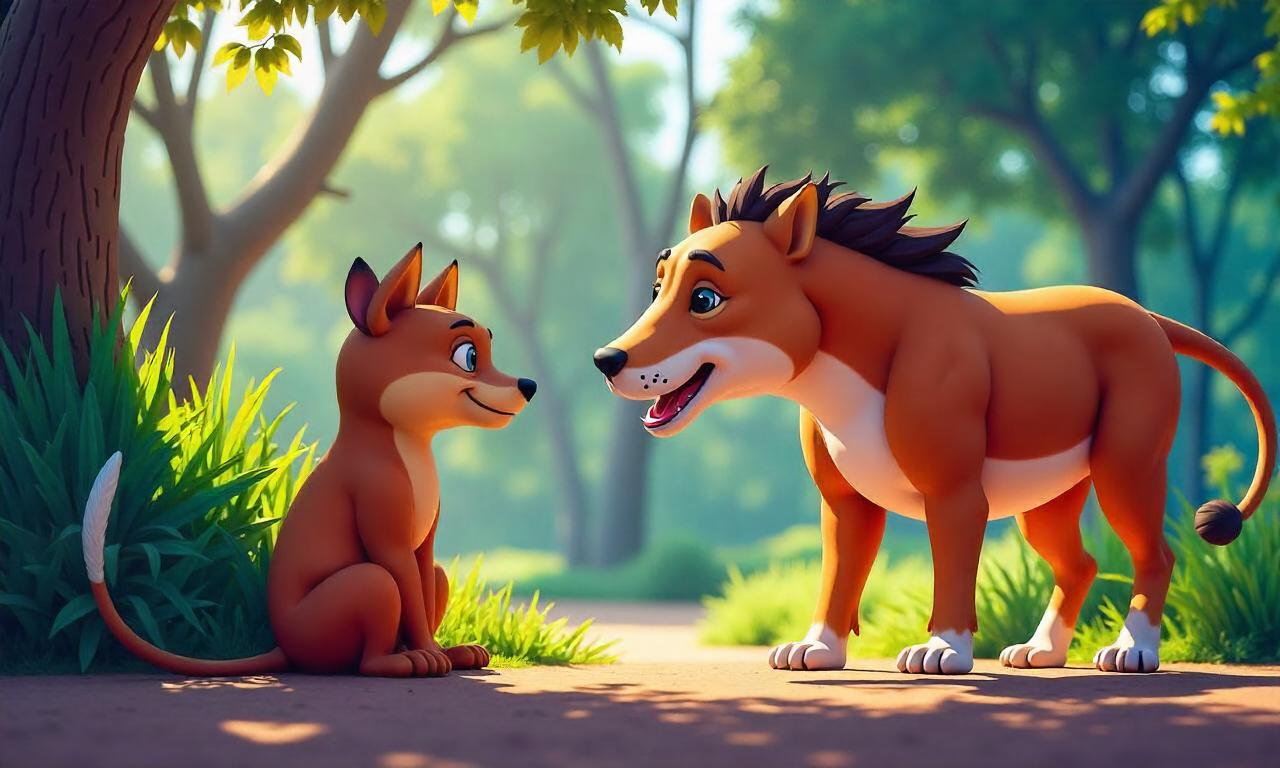
Protecting endangered animals at home is one of the most effective ways to contribute to global conservation efforts. While large-scale initiatives are crucial, individual actions can make a significant impact, especially when done consistently. Every person has the power to create a safer environment for these vulnerable species by adopting simple, everyday habits. From reducing plastic waste to supporting ethical practices, there are numerous ways to protect endangered animals at home without requiring major lifestyle changes. This article explores practical steps that anyone can take to help preserve biodiversity and ensure the survival of endangered animals in their own space.
Reduce Plastic Waste to Help Endangered Animals
One of the most pressing threats to endangered animals is plastic waste, which pollutes oceans, forests, and even landfills. Many species, such as sea turtles, seabirds, and marine mammals, mistake plastic for food, leading to poisoning, entanglement, or suffocation. By minimizing plastic use at home, you can directly reduce the amount of pollution that endangers these animals.
Start by using reusable bags, bottles, and containers instead of single-use plastics. For instance, carrying a reusable shopping bag every time you go to the store can cut down on the number of plastic bags that end up in natural habitats. Similarly, replacing plastic water bottles with reusable alternatives not only reduces waste but also lowers the demand for plastic production.
Another step is to avoid products with plastic packaging whenever possible. Opt for items with biodegradable or recyclable packaging, and choose bulk purchases to minimize waste. Additionally, properly dispose of plastic waste by recycling it or reusing it for other purposes.
By taking these actions, you help protect endangered animals at home from the harmful effects of plastic pollution. Even small changes, like using a reusable bottle, can collectively make a big difference when practiced by many people.
Create a Wildlife-Friendly Habitat in Your Yard
Transforming your backyard or garden into a habitat for endangered animals is an excellent way to support biodiversity. Many animals, including birds, butterflies, and small mammals, rely on safe, natural environments to survive. By planting native species and reducing the use of harmful chemicals, you can create a welcoming space for these creatures.
First, plant native flowers, shrubs, and trees. Native plants provide essential food and shelter for local wildlife, as they are adapted to the region’s climate and soil. For example, wildflower gardens attract pollinators like bees and butterflies, which are crucial for maintaining ecosystems. Additionally, native plants require less water and maintenance, making them an eco-friendly choice.
Second, avoid using pesticides and herbicides in your garden. These chemicals can harm insects, birds, and even small animals that live in or around your yard. Instead, use natural pest control methods, such as hand-picking insects or introducing beneficial species like ladybugs.
Third, leave some areas of your yard undisturbed. Tall grasses, fallen logs, or piles of leaves can provide hiding spots for small animals and insects. You can also create bird feeders or birdbaths to support local bird populations. These small actions can turn your home into a haven for endangered species.
By creating a wildlife-friendly habitat, you protect endangered animals at home and contribute to the preservation of local ecosystems. Even a small garden can make a meaningful impact when designed with wildlife in mind.
Support Ethical Products and Sustainable Practices
Choosing ethical products is another way to protect endangered animals at home. Many industries contribute to the decline of animal populations by using practices that harm them, such as deforestation, overfishing, and animal cruelty. By supporting sustainable brands and making informed purchasing decisions, you can reduce your impact on these species.
Look for products with eco-friendly certifications, such as Fair Trade, Rainforest Alliance, or cruelty-free labels. These certifications ensure that the products are made using responsible practices that minimize harm to the environment and animals. For example, buying cruelity-free cosmetics helps prevent the use of animal testing, while purchasing sustainably sourced wood reduces deforestation, which threatens species like orangutans and tigers.
Additionally, avoid products containing harmful chemicals such as bisphenol A (BPA) or parabens. These substances can pollute waterways and harm aquatic life, including endangered species like sea otters and manatees. You can also choose organic food to reduce the use of pesticides and support farming practices that protect wildlife.

By supporting ethical products, you help protect endangered animals at home and promote a more sustainable future for all living beings. Your choices as a consumer can drive change in industries that affect wildlife populations.
Educate and Advocate for Conservation
Raising awareness about endangered animals is a powerful tool for protect endangered animals at home. By educating yourself and others, you can inspire more people to take action and create a ripple effect in your community.
Start by learning about the animals that are at risk. Research their habitats, behaviors, and the specific threats they face. For example, sea turtles are endangered due to plastic pollution and habitat destruction, while amphibians are threatened by climate change and pesticides. Share this knowledge with family, friends, and neighbors through conversations or social media.
You can also advocate for conservation efforts by supporting local and global initiatives. Participate in community clean-up events, join wildlife protection organizations, or donate to charities that work to preserve endangered species. For instance, planting trees or creating wildlife corridors can help connect fragmented habitats and support animal migration.
Finally, encourage others to take small steps toward conservation. Whether it’s reducing plastic use or supporting ethical products, spreading awareness can lead to meaningful change. By educating others, you help protect endangered animals at home and build a more compassionate and eco-conscious society.
Conclusion
Protecting endangered animals at home starts with making conscious choices in your daily life. By reducing plastic waste, creating wildlife-friendly habitats, supporting ethical products, and educating others, you can contribute to the survival of these species. Each action, no matter how small, plays a role in protect endangered animals at home and helps maintain the delicate balance of ecosystems.
Remember, conservation is not just about saving animals—it’s about preserving the planet for future generations. If everyone takes responsibility and acts with care, we can ensure that endangered animals continue to thrive in their natural habitats. The steps outlined in this article are simple yet effective, and they empower individuals to make a difference. Start today, and together we can protect endangered animals at home and beyond.
Key Takeaways for Sustainable Living
By implementing these strategies, you can create a safer environment for endangered animals while promoting a healthier planet.
Simple Actions with Lasting Impact
Every small change adds up to significant results when it comes to protecting endangered animals at home.
Why Individual Efforts Matter
Even a single person can influence the fate of endangered species through their daily habits.
Final Thoughts on Conservation
The future of endangered animals depends on the choices we make today. By taking action at home, you become a guardian of biodiversity.
